Fuel & Tools Together
Explore tank-and-toolbox units that combine an approved fuel tank with lockable storage in one truck-bed footprint.
Torklift Central · Kent, Washington
Need more fuel storage, secure tool space or both? Torklift Central helps truck owners in Kent and the Greater Seattle Area select and install compatible auxiliary fuel tanks, transfer tanks and tank-and-toolbox combinations. We review truck-bed fitment, available payload, approved fuel use, mounting, pumps and connections before installation.
Fuel capacity and useful storage
An auxiliary fuel tank and toolbox combination can help organize equipment while providing fuel storage for an approved application. Whether you're setting up a work truck, a long-distance tow vehicle or a service rig, the right system must fit the bed, leave room for your other accessories and stay within the truck's weight ratings. We'll help review the options before anything is mounted.
Explore tank-and-toolbox units that combine an approved fuel tank with lockable storage in one truck-bed footprint.
Confirm bed size, filler and toolbox lid access, tonneau hardware, racks and fifth-wheel or gooseneck clearance.
Account for the tank, fuel, tools, passengers, hitch equipment and other cargo within the truck's published ratings.
Review transfer-only versus vehicle auxiliary-feed use, approved fuel types, pumps, venting, hoses and wiring.
Choose the right fuel setup
Start with how you actually use the truck. A combination tank can preserve room for both fuel and gear, while a transfer-tank system may be more suitable for fueling compatible equipment. Torklift Central features Tool & Fuel combination tanks and lists RDS among its auxiliary tank brands. Our team can help review current options and the installation details for your truck.
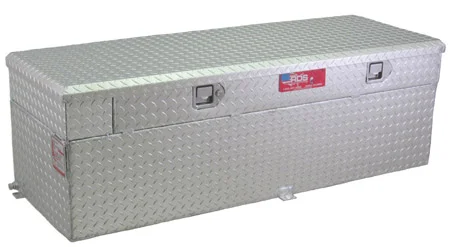
Combine approved auxiliary fuel storage with a toolbox in your pickup bed. We'll help check available dimensions, fuel-system compatibility, loaded weight, mounting, toolbox access and clearances around your towing equipment before a system is selected.
For eligible work trucks and equipment-support applications, review a transfer-only setup with an approved pump, hose, nozzle, electrical controls and secure mounting. A transfer tank must not be connected to a vehicle fuel system unless the product and complete installation are specifically approved for that use.
Bring the manufacturer's part number, product instructions and details about your truck. Customer-supplied systems can be reviewed for completeness, condition, fuel compatibility and approved installation method; acceptance is based on the exact application.
Equipment and system options
The right equipment depends on whether the goal is approved on-vehicle auxiliary fuel storage, transfer fueling for equipment or both fuel and tool storage. These are common areas we can review during your installation consultation.
Combined fuel-storage and tool-storage units designed for eligible truck beds.
Vehicle-approved tanks and feed configurations where supported by the manufacturer.
Transfer-only fuel systems for approved equipment and intended applications.
Compatible transfer pumps, switches, controllers and electrical protection.
Fuel-rated hoses, fittings, valves and routing matched to the approved system.
Appropriate filler access, venting and component clearances.
Bed mounting, brackets, fasteners and inspection of the loaded assembly.
Additional fabrication or clearance planning for modified truck beds and service rigs.
Installation in detail
Successful installation is about more than securing a tank in the bed. The mounting structure, loaded weight, fuel-system configuration, plumbing and electrical components all have to suit the vehicle and the equipment's approved use.
We confirm truck-bed dimensions, mounting points, cab and filler clearance, toolbox lid movement and nearby equipment. Approved mounting hardware or fabrication is fitted to the application while considering loaded weight, tonneau covers and towing access.
Where included in the approved system, installation may involve the specified pump, hoses, fittings, valves, venting, wiring, grounding and protected routing. Final checks address connection accessibility, operation and potential interference.
Our four-step process
Every truck and fuel-storage system is different. We review your truck and the selected equipment first, then determine the appropriate installation scope.
We confirm the truck, bed size, available payload, current accessories, fuel type, intended use and selected tank or combo.
We review manufacturer approvals, dimensions, mounting, pump or feed method, plumbing, wiring, venting and clearances.
Approved work may include tank and toolbox mounting, brackets, fasteners and the required compatible fuel and electrical components.
We check security, filler and lid access, relevant pump function, visible connections and clearances, then explain ongoing care.
Truck and fuel compatibility
We can review approved systems for compatible pickup trucks, service vehicles, flatbeds, work trucks and towing applications. The correct choice depends on your bed measurements, truck configuration, payload, fuel type, tank dimensions and approved use. Tonneau rails, fifth-wheel or gooseneck hitches, bedliners and existing modifications can also affect the result.
Never assume a transfer tank is approved for automatic vehicle fueling or that a tank is suitable for both gasoline and diesel. The tank, pump, hoses, fittings and venting must match the manufacturer's approved fuel and use. A tank, its fuel and toolbox contents add weight; they do not increase GVWR, axle, tire or payload ratings. Call with your vehicle details and the exact product before scheduling.
Visit our Kent installation shop
Visit Torklift Central at 315 Central Ave N, Kent, WA 98032. We serve customers from Kent, Renton, Auburn, Federal Way, Seattle, Tacoma and throughout the Greater Seattle Area with truck accessory installation and application-based fuel-storage projects. Call us with your truck year, make, model, bed length, fuel type and selected product so we can review the installation before your appointment.
Frequently Asked Questions
Answers about combination tanks, approved fuel use, pump installation, bed covers, fifth-wheel clearance, customer-supplied equipment, payload and pricing.
Yes. Torklift Central can review and install compatible auxiliary fuel tank and toolbox combination units on eligible pickup trucks, work trucks, service vehicles, and other applications. Installation depends on the exact truck, bed dimensions, vehicle payload, fuel type, product design, mounting system, plumbing or transfer method, electrical requirements, clearances, and intended use.
An auxiliary tank may be designed to supply fuel to the vehicle through an approved system, while a transfer tank is generally used to move fuel to other equipment through a pump and hose. The product instructions and approved use must be confirmed before installation because not every tank is designed to connect to a vehicle fuel system.
Some combinations may work together, while others conflict with tonneau rails, canisters, hinges, latches, or the opening path. The truck bed, cover system, tank-and-toolbox dimensions, filler access, lid movement, and mounting method should be reviewed before installation.
It may be possible when there is sufficient clearance for the hitch, trailer movement, fuel fittings, toolbox lid, filler access, and bed use. Tank height and depth, hitch position, trailer clearance, plumbing, and the complete towing setup must be reviewed before installation.
Customer-supplied systems may be considered after the product, truck fitment, fuel compatibility, condition, instructions, mounting method, included hardware, pump, wiring, hoses, fittings, venting, and intended use are reviewed. Missing, damaged, incompatible, or unapproved components may need to be replaced before installation.
Depending on the system, installation may include an approved pump, switch or controller, wiring, circuit protection, grounding, hoses, fittings, valves, venting, and secure routing. The exact components depend on the tank type, fuel type, product instructions, vehicle configuration, and intended use.
No. The tank, pump, hoses, fittings, seals, venting, and related components must be approved for the specific fuel and intended application. A product should not be installed for a fuel type or use that is not supported by its manufacturer instructions.
Some systems use supplied brackets or existing attachment points, while others may require drilling or additional fabrication. The mounting method depends on the truck, bed structure, tank-and-toolbox design, product instructions, available attachment points, loaded weight, and intended use.
Pricing is inspection- and application-based. Final pricing depends on the truck, selected tank or combo unit, mounting system, fuel type, pump, wiring, hoses, fittings, venting, drilling, fabrication, bedliner, tonneau or hitch clearance, access, corrosion, existing modifications, parts, labor, and installation scope.
No. The tank, toolbox, fuel, tools, cargo, passengers, hitch equipment, and other installed accessories all add weight and do not increase the truck's GVWR, payload, axle, tire, wheel, or other manufacturer ratings. Available payload should be reviewed before selecting a tank capacity or combination unit.
Whether you're comparing auxiliary fuel tanks, choosing a fuel tank and toolbox combo or planning a transfer-tank installation, contact our Kent team to discuss the truck, approved system and installation options.