Vehicle-Specific Fitment
We match the kit to your vehicle's year, make, model, engine and emissions configuration before work begins.
Torklift Central · Kent, Washington
Looking to upgrade your vehicle's air intake? Torklift Central helps drivers in Kent and the greater Seattle area choose and install vehicle-specific cold air intake systems for eligible trucks, SUVs, vans and work vehicles. From fitting the air filter and intake tube to connecting sensors and checking engine-bay clearances, we focus on a clean installation that follows your kit's instructions.
Benefits of a proper installation
A cold air intake system changes how air reaches the engine, but there is no one-size-fits-all kit. The intake tube, filter, air box or heat shield, sensors and hoses must work with your specific engine and factory equipment. We check the application before installation and pay attention to the details that matter: secure connections, proper routing, service access and clearance from moving or hot components.
We match the kit to your vehicle's year, make, model, engine and emissions configuration before work begins.
We check the full kit—not just the filter—so the intake tube, air box, heat shield, couplers and mounting hardware work together.
Sensors, wiring, vacuum hoses and crankcase breather connections are addressed according to the vehicle and kit instructions.
We check fit under the hood, component security and clearance from fans, belts, hot surfaces, wiring and potential water exposure.
Find an intake that fits your vehicle
Explore K&N intake systems and filters for your vehicle. Torklift Central can help confirm fitment, review installation requirements and install eligible customer-supplied kits.
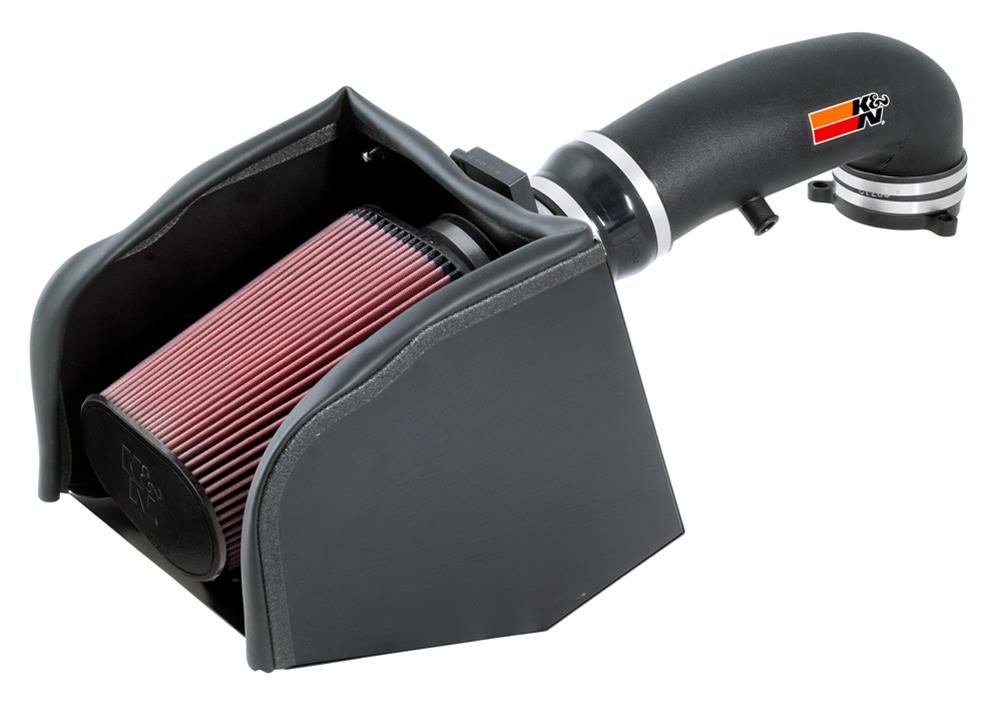
Vehicle-specific intake systems with molded tubing. We can help you check fitment, sensor connections and installation requirements before ordering.
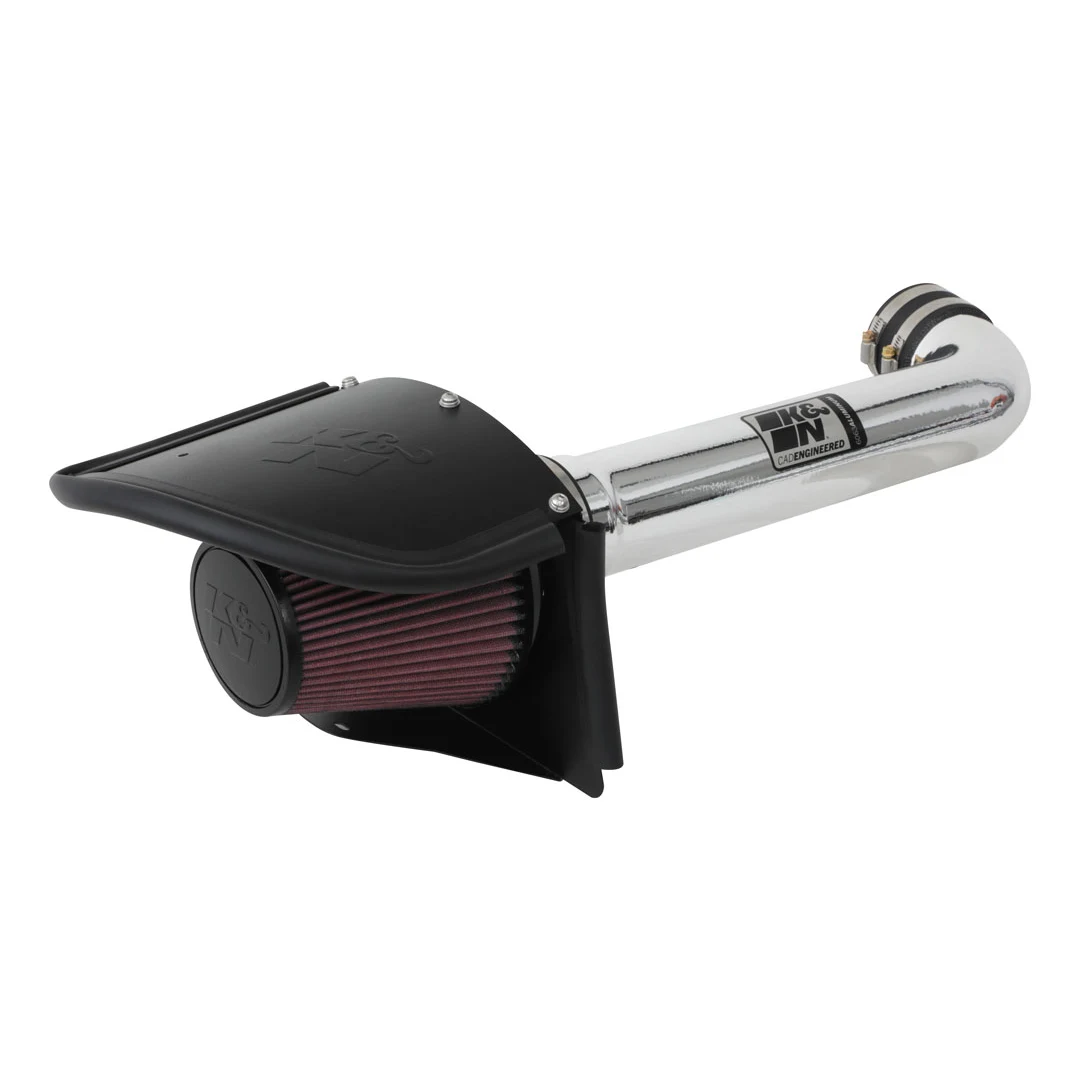
Aluminum intake-tube options for eligible vehicles. Our team can help verify the correct kit and installation requirements for your engine.
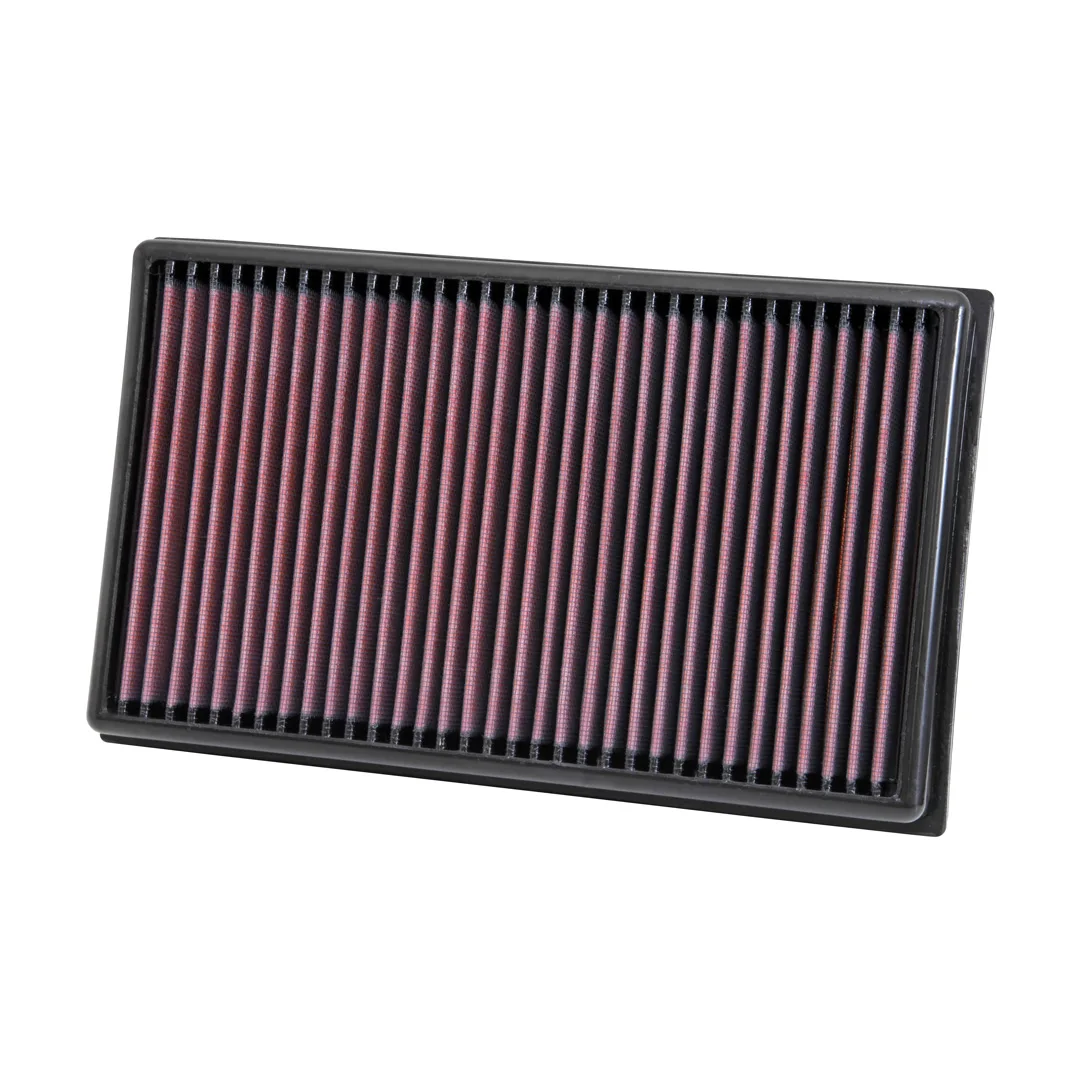
Looking for a replacement filter? We can help identify a compatible option for your vehicle or existing intake system and review installation and maintenance needs.
What's included in the job?
A typical aftermarket intake involves more than swapping an air filter. Depending on the kit, installation can include an inlet tube, air box or heat shield, couplers, clamps, sensor fittings and breather connections. Here's what we check when fitting a complete system to your vehicle.
Inlet tube fitment, routing and clearance.
Compatible dry or oiled filters and maintenance requirements.
Air-box mounting and filter accessibility.
Heat shielding and adjacent-component clearance.
Mounting hardware and secure intake connections.
Sensor housings, transfer and wiring clearance.
Vacuum lines and crankcase breather hose routing.
Application-specific brackets and hardware.
Installation in detail
Once the correct kit and installation scope are confirmed, we fit the intake components and check the connections that affect operation. The two areas below show why both mechanical fitment and sensor integration matter in a professional cold air intake installation.
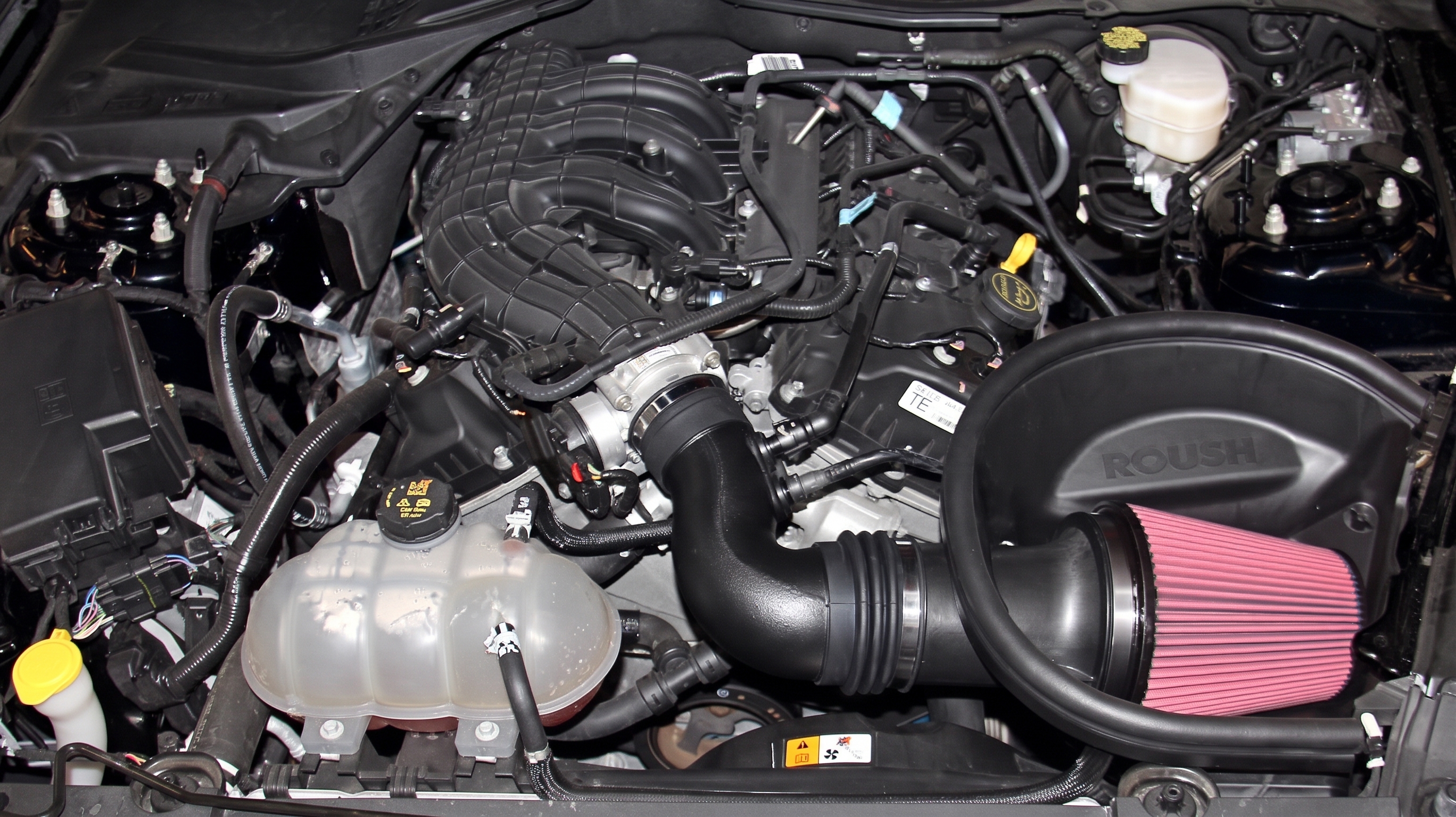
We position the intake tube, air filter and air box or heat shield, secure the specified couplers and clamps, and check alignment and engine-bay clearance.
We reconnect the required sensors and breather or vacuum lines, then inspect the finished routing for security, potential air leaks and interference.
Our four-step process
From the first fitment conversation to the final check under the hood, we follow a practical process tailored to your vehicle and intake kit. This helps identify missing parts, application concerns and sensor or emissions requirements before they become installation problems.
We confirm the year, make, model, engine, emissions configuration, intake-kit part number, included components, current modifications, and intended use.
The filter, intake tube, air box or heat shield, couplers, clamps, mounts, sensor provisions, hoses, hardware, and instructions are reviewed before work begins.
Approved components are installed with required sensor transfer, hose connections, mounting, clearance checks, and protected routing based on the application.
We review component security, couplers, clamps, sensor connections, hose routing, hood clearance, visible air leaks, warning lights, and maintenance guidance.
Fitment, emissions & expectations
Torklift Central can evaluate intake systems for eligible gas and diesel trucks, SUVs, vans, tow vehicles, work vehicles and specialty builds. Fitment is determined by the exact vehicle, engine, intake part number and current modifications—not just the brand or model name. We'll also review the kit's emissions labeling, sensor design and any manufacturer-specified calibration requirements.
The intake must be legal for the vehicle and intended use, and required emissions equipment and connections must remain in place. Some systems work with factory calibration; others may require specific supported calibration. Torklift Central does not guarantee horsepower or fuel-economy gains. Installing an intake does not change towing, payload, hitch or other manufacturer ratings.
Visit our Kent installation shop
Visit Torklift Central at 315 Central Ave N in Kent, Washington. We work with customers from Kent, Renton, Auburn, Federal Way, Seattle, Tacoma and surrounding communities who want help with vehicle-specific intake fitment and installation. Call with your year, make, model, engine and intake part number so our team can discuss the next steps.
Frequently Asked Questions
Get answers about installation, filter types, performance expectations, check-engine lights, emissions compliance, customer-supplied kits and pricing.
Installation may include the compatible intake tube, air box or heat shield, filter, couplers, clamps, sensor housing or sensor transfer, breather and vacuum connections, mounting hardware, and a final fitment review. Exact work depends on the vehicle and the intake kit supplied.
Customer-supplied intake systems can be reviewed for exact vehicle and engine fitment, completeness, condition, emissions labeling, required sensors, hardware, instructions, and manufacturer support. Installation may not be recommended when the kit is incomplete, damaged, incompatible, unsupported, or not legal for the intended use.
Results vary by vehicle, engine, intake design, calibration, driving conditions, and other modifications. Torklift Central does not guarantee horsepower, torque, sound, throttle-response, or fuel-economy gains from an intake installation. Product claims should be verified with the manufacturer.
Some intake systems are designed to operate with the factory calibration, while others may require or recommend specific calibration. The intake manufacturer's instructions, vehicle application, sensor design, current modifications, and emissions requirements should be reviewed before installation.
An incompatible intake, air leak, incorrect sensor installation, damaged wiring, improper breather connection, or unsupported calibration can contribute to warning lights or drivability concerns. Existing warning lights should be diagnosed separately, and the intake application should be verified before installation.
Compatible oiled or dry filter systems can be reviewed when they are approved for the exact intake and vehicle application. Filter type, maintenance requirements, sensor compatibility, environment, and manufacturer instructions should guide the selection.
The intake system must be legal for the vehicle and intended use and must preserve required emissions equipment and connections. Product labeling, application notes, executive-order or exemption information when applicable, and local requirements should be verified before installation.
Compatible systems can be reviewed for tow vehicles and work trucks, but the intake does not increase towing, payload, axle, tire, wheel, hitch, or other manufacturer ratings. Filter access, heat exposure, water or dust conditions, maintenance, and the vehicle's actual use should also be considered.
Installation should stop if the system interferes with wiring, hoses, sensors, the hood, fan, belts, body panels, or other components, or if required parts are missing. The correct next step may be obtaining different hardware, exchanging the kit, or selecting another application.
Pricing is application-based. Final pricing depends on the vehicle, engine, intake kit, completeness, sensor transfer, breather or vacuum connections, access, existing modifications, troubleshooting, calibration requirements, customer-supplied parts, and installation scope.
Whether you're comparing intake kits or already have one in hand, Torklift Central can help review the application and installation requirements. Contact our Kent shop to discuss your vehicle, parts and scheduling.