
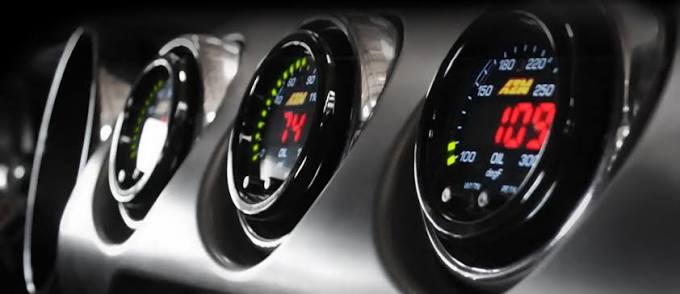
Track Important Temperatures
Review compatible transmission-temperature, EGT, oil-temperature and coolant-temperature monitoring for the vehicle and its operating needs.
Torklift Central · Kent, Washington
Want a clearer picture of what is happening under the hood or while towing? Torklift Central installs compatible performance gauges and digital vehicle monitors in Kent, WA. From EGT and transmission-temperature gauges to boost, oil-pressure and multi-gauge displays, we help match the readings, sensors and mounting setup to your truck, SUV or work vehicle.
Monitor the readings that matter
Factory dashboards do not always display every temperature, pressure or engine parameter drivers want to monitor. An aftermarket gauge or compatible digital display can provide additional information, but choosing the correct system means checking the vehicle, available data, sensors, wiring and mounting location first. Torklift Central reviews those details before recommending an installation.
Review compatible transmission-temperature, EGT, oil-temperature and coolant-temperature monitoring for the vehicle and its operating needs.
Consider supported boost, oil-pressure, fuel-pressure or air-pressure gauges when those readings are appropriate for the application.
Compare analog gauges with supported digital multi-gauge screens, including visibility, mounting position and the information each device can display.
Match required probes, adapters, harnesses, power connections, mounting hardware and software support to the exact vehicle.
Products and monitoring options
Start by deciding which readings you actually want to see. For towing or work use, that might be transmission temperature, exhaust-gas temperature or other supported data. Torklift Central lists Auto Meter gauges and Edge monitoring accessories, and our team can review which available products and mounting options fit your vehicle.
Explore traditional single-function gauges in different styles and sizes. The correct gauge, sender, fitting, wiring and mounting location depend on the reading and vehicle application.
Expand compatible Edge CS/CTS monitoring setups with supported sensor inputs. We can review the existing display, accessory compatibility and the installation required for the data you want to monitor.
Some compatible vehicle monitors and programmer displays can show multiple supported readings in one place. We'll help review the device's lawful functions, data availability, mounting and setup requirements.
What can you monitor?
Different vehicles need different monitoring systems. We can review these common gauge categories, including analog instruments and digital displays, where the vehicle has a compatible sensor or supported data source.
Exhaust-gas temperature readings on applicable gas or diesel setups.
Transmission-temperature monitoring for supported towing and work applications.
Boost-pressure readings for compatible forced-induction engines.
Sensor-based pressure information where the application supports it.
Oil-system monitoring with the appropriate sensors and adapters.
Additional engine-cooling visibility on suitable vehicles.
Electrical-system and supported air-pressure monitoring options.
Multiple supported readings on one compatible vehicle display.
Installation in detail
Getting useful readings involves more than adding a display to the dashboard. We review visibility, correct sensor placement, wiring access and supported data so the finished gauge system is practical for the driver and appropriate for the vehicle.
We review compatible dash, A-pillar, steering-column, overhead or other approved mounting locations. Positioning needs to protect driver sightlines, airbag deployment paths, controls and safe access to the display.
Depending on the selected system, work may include compatible probes, sensor adapters, harnesses, electrical power and ground connections, protected routing and supported digital setup. Final checks confirm available readings and basic operation.
Our four-step process
From choosing the readings to selecting a safe display location, Torklift Central plans each performance-gauge installation around the vehicle, its use and the selected equipment.
We confirm the vehicle, engine, transmission, desired readings, gauge or monitor, sensors, adapters, mounting options and current modifications.
We review driver visibility, wiring, power, grounds, sensor locations, data connections, routing, heat exposure and service access.
Approved work may include a gauge pod, display mount, sensors, adapters, harnesses, wiring, circuit protection and supported device configuration.
We check the display, available readings, controls, visibility and any concerns that require separate diagnosis, then review basic operation with the owner.
Vehicle compatibility
Torklift Central can review gauge and monitoring installations for compatible gas and diesel trucks, SUVs, vans, tow vehicles, work trucks, truck-camper vehicles and specialty builds. The right option depends on the engine, transmission, available electronic data, required sensors, existing modifications, mounting space and manufacturer support.
An abnormal temperature or pressure reading may call for separate diagnosis. Gauge installation does not increase towing capacity, GVWR, payload or any other manufacturer limit, and an installed display is not a substitute for needed maintenance or repair. Customer-supplied gauges are reviewed for completeness and compatibility before installation.
Visit our Kent installation shop
Visit Torklift Central at 315 Central Ave N in Kent, Washington. We serve drivers from Kent, Renton, Auburn, Federal Way, Seattle, Tacoma and nearby communities looking for help with truck gauges, digital monitors and towing-related vehicle instrumentation. Call with the vehicle year, make, model, engine and desired readings before scheduling.
Frequently Asked Questions
Answers about EGT, boost and transmission-temperature gauges, digital monitors, mounting options, customer-supplied equipment, installation cost and vehicle ratings.
Compatible installations may include EGT or pyrometer gauges, transmission-temperature gauges, boost gauges, fuel-pressure gauges, oil-pressure gauges, oil-temperature gauges, coolant-temperature gauges, voltage monitoring, air-pressure gauges, and supported digital monitoring displays. Available options depend on the exact vehicle, engine, transmission, gauge, sensor requirements, mounting location, and manufacturer support.
Yes. Compatible analog gauges, multi-gauge displays, OBD-based monitors, and other supported digital monitoring systems can be reviewed. Final compatibility depends on the vehicle, device, available data, required sensors, wiring, software, and mounting requirements.
Compatible EGT or pyrometer systems can be reviewed for eligible applications. Installation location, probe style, exhaust access, manufacturer instructions, current modifications, heat exposure, routing, and serviceability all affect whether and how the system should be installed.
Compatible transmission-temperature monitoring can be useful for some tow and work vehicles. The correct gauge, sensor source, adapter, data availability, wiring, and mounting method depend on the exact vehicle and transmission. A gauge does not increase towing capacity or replace maintenance and diagnosis.
Possible mounting locations may include compatible dash pods, A-pillar pods, steering-column mounts, overhead mounts, vent mounts, or manufacturer-approved display locations. The final location must account for visibility, glare, wiring access, driver sightlines, airbags, controls, and safe operation.
Customer-supplied gauges and monitors can be reviewed for exact application, completeness, condition, required sensors, adapters, wiring, mounts, software, instructions, and manufacturer support. Installation may not be recommended when parts are missing, incompatible, damaged, unsupported, or unsafe for the intended location.
Gauges provide information and monitoring; they do not automatically improve performance or correct an underlying mechanical, electrical, fuel, cooling, or transmission concern. Readings should be interpreted using appropriate vehicle and product guidance.
No. Performance gauges and monitoring devices do not increase the vehicle manufacturer's GVWR, payload, axle, tire, wheel, hitch, towing, or other published ratings. The vehicle and trailer must remain within all applicable manufacturer ratings and limits.
Gauge readings may help identify a condition that needs further attention, but one reading alone may not determine the cause. Abnormal temperature, pressure, boost, voltage, or other readings may require separate mechanical or electrical diagnosis before repairs are recommended.
Pricing is application-based. Final pricing depends on the vehicle, gauge or monitor, number of gauges, sensor requirements, adapters, mounting system, wiring, access, software or configuration needs, customer-supplied parts, troubleshooting, and installation scope.
Whether you are comparing analog gauges, considering a digital monitor or already have a kit, contact our Kent team to review the vehicle, sensors, mounting, installation and scheduling.