

If you're searching for a trusted stainless steel hitch that can handle towing capacities without succumbing to rust, the answer is yes—EcoHitch delivers exactly that combination. Traditional trailer hitches often fail under harsh conditions, with road salt and moisture causing corrosion that weakens structural integrity and compromises safety. Stainless steel EcoHitch receiver solves this problem through precision engineering, offering superior rust resistance, towing performance, and a sleek design that maintains your vehicle's appearance. This guide explains why rust forms on standard hitches, how EcoHitch's stainless construction prevents corrosion, and provides practical maintenance steps to keep your hitch performing flawlessly for decades.
Why Rust Happens on Trailer Hitches
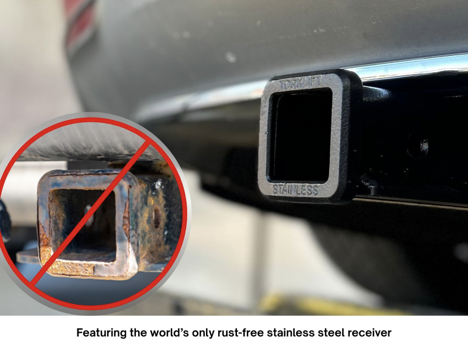
Corrosion—the gradual destruction of metal through chemical reactions with environmental elements—poses a serious threat to trailer hitch safety and reliability. When moisture, oxygen, and contaminants interact with steel surfaces, they trigger oxidation that produces the familiar orange flakes and pitting we recognize as rust.
Winter road salts are a major cause of trailer hitch corrosion due to their aggressive chemical exposure. Salt accelerates the electrochemical process that breaks down metal, particularly when it combines with moisture trapped in crevices and mounting points. Even vehicles in moderate climates face corrosion risks from rain, humidity, and occasional exposure to de-icing chemicals.
Rust weakens steel hitches structurally by thinning metal, reducing load capacity and safety. As corrosion progresses, it compromises the hitch's ability to bear weight, creating dangerous conditions for towing. Beyond structural concerns, rust causes moving parts like ball mounts and hitch pins to seize, making attachment and removal difficult or impossible. Visible signs of rust include surface pitting, orange or brown flaking, and peeling protective finishes. On standard powder-coated hitches, even a small chip in the coating can quickly escalate into widespread corrosion. Once the protective barrier is breached, moisture penetrates to the bare metal beneath, and the rust spreads outward from that point. Surface damage from rocks, cargo contact, or improper storage accelerates this process, turning minor cosmetic issues into structural problems within a single season. Stainless Steel incorporates materials that will allow an oxidation of the steel by introducing more nickel into the molten process of pouring stainless steel. This will provide an oxidation that keeps rust from forming on the receiver.
Benefits of Stainless Steel EcoHitch for Towing
Stainless steel trailer hitches require very little maintenance and can last for decades with simple care. This longevity stems from the material's inherent corrosion resistance, which eliminates the constant repainting and rust treatment that traditional hitches demand. EcoHitch models offer superior tongue and tow weight capacities over conventional hitches, making them suitable for demanding scenarios like boat trailers, campers, and heavy cargo carriers.
For design-conscious drivers, EcoHitch delivers unique features that matter beyond pure function. Fully concealed cross tubes maintain clean vehicle lines and optimal ground clearance. This seamless integration preserves your vehicle's appearance without the bulky, aftermarket look of traditional hitches. The stainless steel construction also resists the discoloration and chalking that plague painted alternatives, keeping your hitch rust free year after year.
| Feature | Stainless Steel EcoHitch | Painted Standard Steel Hitch |
| Rust Resistance | Excellent | Moderate/Poor |
| Maintenance Needs | Minimal | Moderate to High |
| Aesthetic Options | Premium Armor Pro Finish | Often Gloss or Flaking |
| Longevity | Decades | Shorter - prone to chipping |
The combination of heavy towing capacities and rust resistance makes EcoHitch the preferred choice for bike racks, cargo carriers, and trailer applications where reliability cannot be compromised. Whether you're hauling equipment for work or gear for weekend adventures, stainless steel construction ensures your hitch performs consistently across all weather conditions and use cases.
How EcoHitch's Design Prevents Rust and Corrosion
The EcoHitch uses a stainless steel receiver— the only one of its kind among aftermarket hitches—which is highly resistant to rust and corrosion. Stainless steel is an alloy containing high chromium content, typically 10.5 percent or more, which forms a self-healing passive layer on the surface. When this chromium oxide barrier is scratched or damaged, it reforms automatically in the presence of oxygen, continuously protecting the underlying metal from moisture and salt. This is a natural process that occurs with stainless steel materials. It works while you play.
Beyond the receiver material, EcoHitch employs a powder-coated cross tube that adds an extra layer of protection to mounting components. Engineered clearances throughout the design reduce water and salt accumulation in critical areas, preventing the moisture pockets where corrosion typically begins. Drainage considerations ensure that any water entering the system flows out rather than pooling against metal surfaces.
These features combine to keep EcoHitch rust free and protected after years of real-world use, even in harsh climates. Owners in snow belt regions report minimal corrosion after multiple winters, while coastal drivers appreciate the hitch's resistance to salt air. The precision engineering that goes into each vehicle-specific model ensures proper fit and function while maximizing the natural advantages of stainless steel construction.
Step 1: Clean Your EcoHitch Regularly to Remove Salt and Dirt
Rinse your hitch with fresh water after driving on salted roads to remove corrosive salt deposits. Even stainless steel benefits from prompt salt removal, as concentrated chlorides can eventually compromise the protective chromium layer if left in place for extended periods. A simple rinse with a garden hose immediately after winter driving takes less than two minutes and prevents salt accumulation in receiver openings and mounting points.
For thorough cleaning, use mild soap and a soft cloth to remove grime and debris. Automotive soap or dish detergent works well—avoid abrasive cleaners or steel wool that can scratch the finish. Pay special attention to the receiver tube interior, hitch pin holes, and any crevices where dirt collects. A soft-bristled brush helps reach tight spaces without damaging the surface.
Clean your hitch at least after winter use or off-road trips, and consider monthly maintenance during heavy-use seasons. For persistent spots or water staining, specialized stainless steel cleaners restore the original luster without harsh chemicals. These products typically contain mild acids that dissolve mineral deposits while protecting the chromium oxide layer.
Regular cleaning removes both visible dirt and hidden salt, preventing corrosion at its source. Salt crystals left on metal surfaces draw moisture from the air, creating a corrosive solution even in dry weather. By establishing a simple cleaning routine, you eliminate this risk and maintain both the appearance and structural integrity of your EcoHitch.
Step 2: Thoroughly Dry the Hitch After Cleaning
Dry your hitch thoroughly after washing; moisture trapped on metal accelerates rust formation. While stainless steel resists corrosion far better than standard steel, standing water can still cause spotting and, in extreme cases, contribute to pitting in vulnerable areas. Complete drying also prevents water from carrying dissolved salt or minerals into the receiver tube, where they can concentrate and cause problems over time.
Use lint-free microfiber towels to wipe down all exposed surfaces, paying particular attention to horizontal surfaces where water pools. For the receiver tube interior, insert a clean towel and twist to absorb moisture from the walls. Air-drying in a ventilated garage allows natural evaporation to complete the process, while a portable leaf blower or compressed air quickly removes water from hard-to-reach crevices and mounting holes.
Make drying a habit before storage or immediately after rain to maximize corrosion resistance. If you park your vehicle outside, consider covering the receiver opening with a rubber cap or plug to prevent water intrusion during storms. This simple step keeps the receiver tube dry and ready for use while protecting internal surfaces from the elements.
The few minutes spent on thorough drying extend your hitch's service life and maintain its appearance, ensuring it continues to complement your vehicle's design rather than detracting from it with water spots or mineral deposits.
Step 3: Apply Lubrication to Metal Contact Points
Applying light lubricant to moving hitch parts like pins and receiver tubes prevents friction and rust. Even on stainless steel components, lubrication serves multiple purposes: it reduces wear during insertion and removal, prevents dissimilar metals from corroding where they contact each other, and displaces any residual moisture that cleaning might have missed.
WD-40, Fluid Film, or equivalent rust-preventative sprays work well on contact points post-cleaning. Apply a thin coat to the receiver tube interior before inserting accessories, and spray hitch pins before installation. Reapply before each winter season when salt exposure increases, and consider quarterly application if you tow frequently or operate in coastal environments.
Focus lubrication on these at-risk areas:
- Hitch pins and clip interfaces where steel pins contact the stainless receiver
- Receiver tube openings where ball mounts slide in and out
- Ball mount shanks and attachment bolts that experience friction during towing
- Any moving parts or adjustable components that could bind over time
Avoid over-lubricating, which attracts dirt and creates a gummy residue. A light spray or thin wipe-on coat provides adequate protection without mess. For ball mounts and couplers, use appropriate towing grease on the ball itself to ensure smooth coupling and reduce wear on both the ball and trailer coupler.
Step 4: Inspect the Hitch Frequently for Wear or Damage
Detailed checks for chips or dings in the coating help catch problems before they impact safety or aesthetics. Damaged coating can accelerate rust formation, particularly on the powder-coated cross tube or any painted mounting hardware. Monthly inspections during active towing seasons and pre-trip checks before long hauls ensure you spot issues early.
The most common problem areas include pin holes, where repeated insertion and removal can cause wear; receiver openings, where ball mount shanks may scratch the interior surface; weld seams, which occasionally show stress cracks under heavy loads; and ball mount contact surfaces, where cargo or trailer components may cause impact damage.
During each inspection, look for these warning signs:
- Surface scratches or gouges that expose bare metal
- Discoloration or staining that indicates chemical exposure
- Loose mounting bolts or hardware
- Cracks in welds or mounting brackets
- Difficulty inserting or removing accessories due to deformation
- Unusual wear patterns that suggest misalignment
If you find minor surface damage, address it promptly with touch-up paint or protective coating. For structural concerns like cracks or significant deformation, consult a professional or contact Torklift customer support. Most issues caught early require only simple repairs, while neglected problems can compromise towing safety and eventually require complete hitch replacement.
Installation Tips for Stainless Steel EcoHitch
EcoHitch features a bolt-on, no-drill design that makes it accessible for most DIYers, with all necessary hardware included for straightforward installation. Each kit includes vehicle-specific mounting brackets, grade-8 bolts, and detailed instructions that guide you through the process step by step. Most installations require only common hand tools—wrenches, sockets, and a torque wrench—with no welding or specialized equipment needed.
Before beginning installation, inspect the mounting area for trapped dirt or previous rust. Clean factory mounting points thoroughly and treat any existing corrosion on the vehicle frame to ensure a solid connection. Some vehicles may have protective coatings or undercoating that needs removal from bolt holes—follow the installation guide's recommendations for your specific model.
The fully concealed cross tube design maintains both strength and a sleek appearance. Unlike traditional hitches that hang below the bumper, EcoHitch integrates with your vehicle's frame and body lines. The angled receiver positions the hitch opening for optimal accessibility while keeping the overall profile low and unobtrusive.
During installation, torque all fasteners to the specifications provided in your kit's instructions. Proper torque ensures the hitch can handle rated loads without loosening or shifting. After your first towing session, recheck all bolts and retorque if necessary—this initial settling is normal as the hitch seats against the frame under load.
For vehicle-specific notes or troubleshooting, refer to EcoHitch's installation guide or contact Torklift's technical support team. They can address questions about frame variations, accessory compatibility, or any installation challenges unique to your vehicle make and model.
Maintaining Your EcoHitch for Long-Term Rust Resistance
A holistic maintenance routine maximizes your EcoHitch's lifespan and keeps it looking new in all seasons. The complete cycle—clean, dry, lubricate, inspect, and repair as required—takes minimal time but delivers maximum protection. Routine maintenance extends hitch life and ensures safe towing by catching wear before it becomes dangerous and preventing corrosion before it compromises structural integrity.
Establish a maintenance schedule that matches your use patterns. For frequent towers, monthly inspections and quarterly deep cleaning make sense. Occasional users can extend to seasonal maintenance, with thorough attention before and after winter when salt exposure peaks. Keep a simple log of maintenance dates and any repairs performed, which helps track the hitch's condition over time and provides valuable information if warranty service becomes necessary.
Ready to get set up? Use EcoHitch Find Your Fit tool to identify the stainless steel hitch for your vehicle and make sure rust worries are a thing of the past!
Frequently Asked Questions
How does the EcoHitch prevent rust better than traditional hitches?
The EcoHitch's patent pending stainless steel receiver is highly resistant to rust and corrosion, unlike traditional hitches that often chip and rust over time, especially in harsh climates.
Is the stainless steel EcoHitch strong enough for heavy-duty towing?
Yes, EcoHitch models can support up to 5,000 lbs of gross trailer weight and 750 lbs of tongue weight depending on the vehicle application, making them suitable for demanding towing applications.
Can I install the EcoHitch myself or should I seek professional help?
EcoHitch features a bolt-on, no-drill design that’s accessible for most DIYers, with all hardware included and no welding required for straightforward installation.
What maintenance steps keep my stainless steel hitch rust-free?
Regular cleaning, thorough drying after each wash, lubrication of metal contact points, and prompt repair of any chips or scratches maintain long-term rust resistance.
Does the EcoHitch fit all vehicle models or only specific ones?
EcoHitch is custom-engineered for specific vehicle models to ensure precise fit and optimal performance, so availability depends on your vehicle make and model.