For fleets in Seattle, Kent, Renton, Bellevue, and across King County, the upfitter you choose directly drives ROI through uptime, durability, and compliance. Local independent shops can be affordable and convenient, but Torklift’s integrated, engineering-first model consistently delivers better long-term value: faster turnarounds, tougher materials, stronger warranties, and documented compliance. With 50 years of Northwest experience and full in-house manufacturing, Torklift helps municipal, utility, and trade fleets reduce downtime and total cost of ownership while improving safety and resale. If your goal is measurable ROI across the Puget Sound, Torklift is the reliable, scalable choice for Seattle fleet upfitting services.
Overview of Fleet Upfitting in King County
Fleet upfitting refers to the process of modifying commercial vehicles with equipment, accessories, and safety features tailored to a business's or municipality’s operational needs. Upfitting can include racks, shelving, hitches, power systems, and technology integrations.
In King County, service trucks, municipal units, delivery vans, and contractor vehicles must perform reliably in dense urban corridors, hilly terrain, and wet Pacific Northwest weather. Well-executed commercial vehicle upfitting in Seattle and neighboring cities minimizes downtime, sustains safety standards, and improves daily productivity. Providers generally fall into two categories: full-service manufacturers like Torklift that design, build, and install under one roof, and independent local upfitters that source components and fabricate as needed. When comparing affordable fleet upfitting services in Seattle, consider not only price but also speed, durability, support, and compliance.
Torklift’s Integrated Manufacturing and Engineering Approach
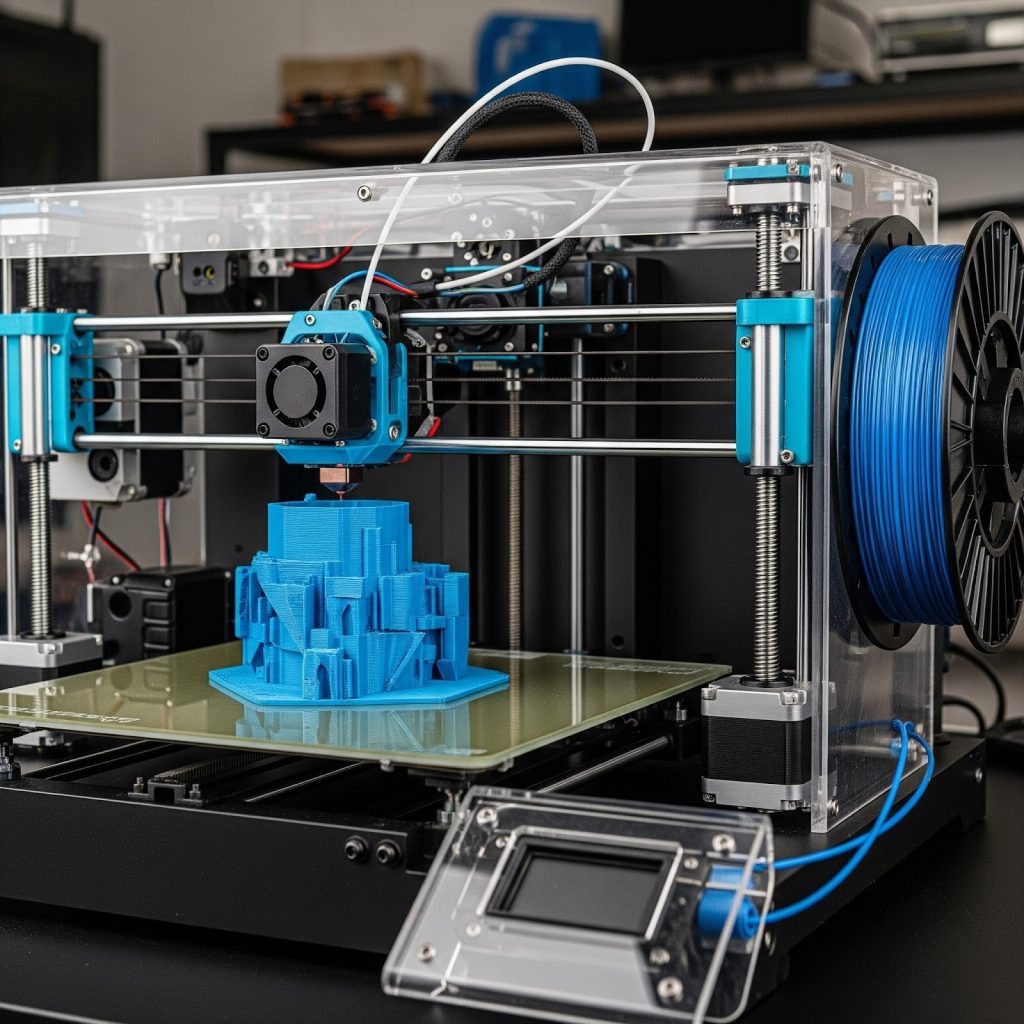
Torklift operates a complete in-house manufacturing facility with laser tables, laser tube cutters, tube benders, robotics, 3D printing, powder coating, and a dedicated engineering design team—enabling rapid quoting, precise fabrication, and true one-stop solutions for fleets in Seattle, Kent, and the wider Puget Sound region. This integrated model compresses schedules and centralizes accountability, which translates into fewer handoffs and lower lifecycle costs for King County fleets (see the Exclusive Benefits of Choosing Torklift for Kent Commercial Upfits for details: https://torkliftcentral.com/blogs/2025/12/16/exclusive-benefits-of-choosing-torklift-for-kent-commercial-upfits/).
By combining engineering, fabrication, and installation in one facility, Torklift reduces downtime, improves consistency across vehicles, and ensures direct access to designers and factory-trained technicians with 50 years of local expertise.
Materials and Workmanship Quality Comparison
Torklift builds are engineered for Pacific Northwest environments, using aluminum and corrosion-resistant finishes (powder coating or stainless) as the default—unlike typical painted mild steel or mixed alloys found in many small-shop installs. Powder coating is a dry finishing process that electrostatically applies pigment and cures it into a hard, corrosion-resistant shell ideal for Seattle-area fleets exposed to rain and coastal air.
| Aspect | Torklift | Local independent upfitters (typical) |
| Base materials | Aircraft-grade aluminum, engineered steel | Painted mild steel, mixed alloys |
| Finishes | Powder-coated or stainless (in house powder-coat facility) | Wet paint (more chip-prone) or added costs due to outsourcing powder coat |
| Engineering | CAD-driven, repeatable platforms | Ad hoc, project-by-project |
| Welding | Factory trained | Varies by technician |
| Weather resistance | Designed for PNW corrosion and abrasion | Inconsistent, higher rust risk |
| Quality control | One-roof QC from design to install | Multiple vendors, variable control |
Turnaround Times and Impact on Fleet Downtime
Speed is a major ROI lever. Torklift delivers simple upfits in 1–2 business days, most builds in under a week, and complex projects in 1–2 weeks—lead times that keep King County and Puget Sound vehicles generating revenue rather than waiting in a queue (as outlined in the Kent upfits overview above). Smaller shops often juggle walk-in repairs and custom one-offs, creating unpredictable delays.
Torklift’s workflow:
- Discovery and spec review (fleet goals, compliance, constraints)
- Engineering and rapid quote (design validation and options)
- Scheduling and parts kitting (zero gaps between steps)
- In-house fabrication (laser, tube, CNC, welding, powder coat)
- Install and systems integration (wiring, calibration, safety)
- QA and delivery (ready for service)
Warranty Coverage and Long-Term Support
Torklift backs many products with a Legendary Lifetime Warranty and resolves issues locally with fast access to parts and technicians, reducing risk and avoiding extended vehicle downtime. A single fleet account manager streamlines communication and service history. By contrast, many independent upfitters provide limited or informal coverage, which can complicate claims and slow repairs. Learn more about Torklift’s heritage and warranty approach on the Torklift About page: https://www.torklift.com/about.
Scalability for Growing Fleets
Growing organizations need consistency. Torklift’s standardized, modular platforms and rapid prototyping make scalable upfitting possible—repeatable builds across vans, pickups, and specialty units with predictable cost and timing. This supports Seattle fleet management teams adding vehicles in batches for Kent, Renton, Bellevue, and beyond. Smaller shops can struggle to replicate complex builds at scale due to limited engineering capacity and informal processes.
Customization Options: Standardized vs. Bespoke Builds
Torklift’s engineering-first model supports both modular customization—multiple accessory packages, safety systems, and fitments—and fully bespoke fabrication for specialized needs, without sacrificing quality control or documentation.
- Standardized modular build
- Faster, repeatable, documented, easier to scale and maintain.
- Bespoke fabrication
- Harder to replicate, variable documentation, higher compliance risk if ad hoc.
Suitability for Electric and Modern Fleet Platforms
EVs and advanced platforms demand non-invasive, engineered integration. Torklift’s in-house R&D and manufacturing—CNC, CAD, FEA, 3D printing, and precision tube/laser cutting—support EV-safe hitches, wiring, mounting, and thermal considerations without jeopardizing OEM systems. This is especially important for municipal and utility EVs operating across King County and the Puget Sound.
Capabilities for modern fleets include:
- EV-safe power distribution, signaling, and lighting integration
- Non-invasive mounting solutions for composite and aluminum bodies
- Weight-optimized racks and storage to protect range and payload
Lifecycle Maintenance and Rework Costs
Torklift designs for longevity, reducing the need for repairs, adjustments, or reinforcement over a typical 5–10+ year service life. Lifecycle maintenance refers to all service and upkeep required over the usable life of an asset, including routine inspection, repair, parts replacement, and any necessary modifications to maintain safe and reliable operation. Non-standard, ad hoc builds from smaller shops are more likely to require rework, raising lifecycle costs.
Results vary by fleet size and use case, but the pattern is consistent: engineered installs plus faster turnaround deliver measurable ROI.
Ready to upgrade your fleet?
Schedule a consultation with our experts today and discover tailored upfitting solutions that keep your vehicles mission-ready.
253-854-1832
Frequently Asked Questions
What factors most affect ROI when choosing an upfitter?
The main ROI drivers are install quality, lead time, downtime costs, warranty coverage, and long-term maintenance spend. Choosing an upfitter with engineered, durable installs usually provides greater savings throughout the fleet’s service life.
How can upfitting speed reduce operational costs?
Faster vehicle turnaround translates directly into less lost revenue and improved fleet utilization, minimizing the daily costs associated with vehicles being out of service for extended periods.
What are key considerations for upfitting electric vehicles?
With electric vehicles, upfitters must use compatible, non-invasive engineering and be familiar with EV-specific wiring, structural needs, and software integration to avoid voiding warranties or causing long-term reliability issues.
Ready to maximize your King County or greater Seattle-area fleet ROI with faster builds, engineered reliability, and legendary support? Contact Torklift today for a personalized quote or to schedule a facility visit. Simple projects can be completed in 1–2 days; more complex builds typically finish in 1–2 weeks, depending on scope. See firsthand how our laser tables, laser tube cutters, tube benders, robotics, 3D printing, powder coating, and in-house engineering team set your fleet up for long-term success.