

The shopping questions that decide which Toyota EcoHitch page you should be reviewing before you order.
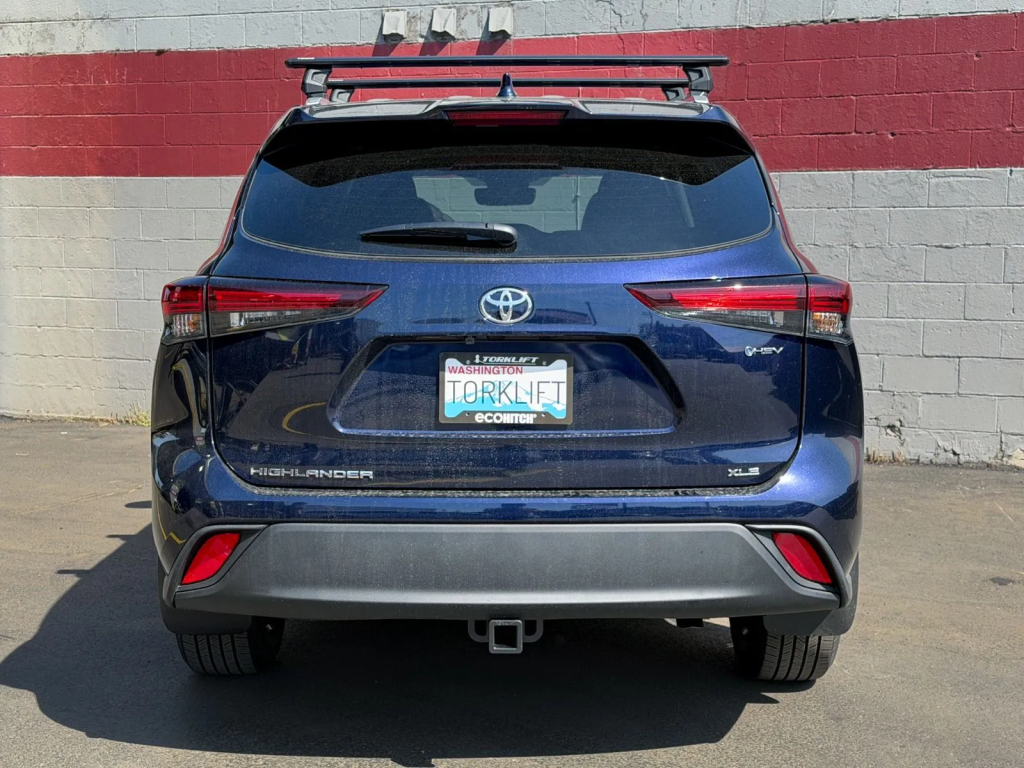
If you drive a Toyota SUV or crossover and you are shopping for a hitch, the most useful thing you can do before ordering is slow down and plan the purchase around your exact vehicle and how you intend to use the hitch. A hitch is not a one-size accessory. Receiver size, ground clearance, accessory weight, and the year and trim of your Toyota all shape which product page is the right one for you.
This guide walks through the questions a Toyota SUV owner should answer before checkout. As a towing equipment provider, Torklift Central helps shoppers line up those details so the EcoHitch you order matches the vehicle in your driveway and the racks or trailers you actually plan to pull.
Start With the Exact Vehicle, Not Just the Model Name
Toyota EcoHitch product pages are model-specific. That matters because two Toyota SUVs that share a name across model years can differ underneath in ways that change the correct hitch. Year, generation, hybrid or EV configuration, and rear body design can all influence which EcoHitch application applies.
The Toyota EcoHitch category page organizes applications by vehicle, including the RAV4, C-HR, Grand Highlander, bZ Woodland, bZ4X and bZ, Highlander, Sienna, Prius, and other Toyota vehicles. Rather than assuming your Toyota shares a hitch with a similar model, start on the page built for your specific vehicle. Use the Find Your Fit tool to confirm the exact application for your year, model, and trim before you compare anything else.
This is the single habit that prevents the most ordering mistakes. When you begin with the correct product page, every other number on this list, including receiver size and ratings, comes from a source that actually matches your vehicle.
Receiver Size Is a Buying Decision, Not a Detail
Receiver size is the opening where your accessory slides in, and it decides what you can bolt on later. Most hitch accessories are built for a 2 inch opening. If your EcoHitch application uses 1-¼ inch receiver and you want to run a 2 inch accessory, you would need an adapter, and adapters can introduce excessive rattling, reduce stability, and lower the effective weight rating of the full setup.
So before you pick a bike rack or cargo tray, confirm the receiver size on your specific Toyota EcoHitch product page. Then match your accessory to that size on purpose instead of discovering a mismatch after both boxes arrive. If you already own a rack, check its shank size now so you can plan around it.
The receiver is also the part you touch, see, and expose to weather and repeated accessory swaps. EcoHitch features stainless steel receivers on the applications that carry them, which resist rust, keep the rear of the vehicle looking clean, and help prevent accessories from seizing in the receiver over time. Confirm the receiver material and size for your exact application on the product page.
Ground Clearance and the Concealed Cross Tube
Ground clearance is a real shopping concern for SUV owners who drive gravel, ramps, steep driveways, or light trails. Every EcoHitch is designed with a fully concealed cross tube that tucks the main hitch bar up and out of sight, which keeps ground clearance at a maximum and keeps the back of your Toyota looking close to factory.
For most shoppers the practical takeaway is simple. The design is built to avoid a large bar hanging low under the bumper. Exact clearance still depends on your specific vehicle and application, so if low clearance is a priority for how you drive, confirm the details on your model-specific product page before ordering.
Accessory Use Changes the Question
How you plan to use the hitch changes which numbers matter most. A shopper who only wants a bike rack has different priorities than a shopper planning a loaded cargo carrier or a small trailer.
- Bike racks and E-Bike racks: E-Bikes are heavy, and a loaded rack plus the bikes can add up quickly. Check the accessory rack weight, the combined loaded weight, and the tongue weight rating on your EcoHitch product page.
- Cargo carriers: A loaded cargo tray puts weight straight down on the receiver, so tongue weight is the number to watch. Confirm the carrier weight plus cargo stays within the rating on your product page.
- Light trailer use: Trailer towing brings towing capacity, tongue weight, and trailer wiring into the picture, which is a different plan than accessory-only use.
None of these should be guessed from a photo or a similar vehicle. Decide how you will use the hitch first, then confirm the matching rating on the product page for your exact Toyota.
The Lowest-Rated Component Controls Your Setup
This is the rule that keeps a setup honest. Your usable capacity is set by the lowest-rated component in the chain, not by the highest number printed on any one part. The hitch, the receiver opening, the ball mount, the accessory, and your vehicle each carry their own rating, and the smallest one wins. Use the Maximum Hitch Weight (Tongue Weight) Estimator to plan your set up.
A hitch never increases your Toyota factory towing capacity or any manufacturer rating. When you plan a purchase, look at every rating in the setup and build around the lowest one. That habit is what turns a good hitch into a safe, well-matched setup.
Which Toyota EcoHitch Page Should You Review
For Toyota SUV and crossover shoppers, several model-specific pages are common starting points. The RAV4 2026-2027, C-HR 2026-2027, Grand Highlander 2024-2027, and bZ Woodland 2026-2027 applications are relevant SUV and crossover product paths, and the bZ4X and bZ pages cover Toyota electric applications.
Start on the page that matches your vehicle, confirm the application with Find Your Fit, and read the receiver size and ratings directly from that page. If your Toyota is not obvious in the list, the New Fitments EcoHitch category and a quick call to a Torklift Central retail specialist can point you to the right page.
Toyota SUV Hitch Planning Table
Use this as a shopping checklist. Confirm the source-supported details on your model-specific EcoHitch product page before ordering.
| Shopping question | Why it matters | What to verify before ordering |
|---|---|---|
| What is my exact vehicle? | EcoHitch pages are model-specific by year, model, and configuration | Confirm the exact application with Find Your Fit |
| What receiver size do I need? | Most accessories need a 2 inch opening; a mismatch can rattle and lower ratings | Receiver size listed for your exact application |
| How much clearance do I need? | Concealed cross tube and angled up receiver keeps clearance high | Clearance details on the product page |
| What accessory will I run? | Bike racks, E-Bikes, and cargo carriers each stress different ratings | Loaded weight and tongue weight vs the page rating. Use Maximum Hitch Weight (Tongue Weight) Estimator to plan your set up. |
| What is my lowest-rated part? | Usable capacity is set by the smallest rating in the setup | The lowest number controls your plan |
How Torklift Central Can Help You Shop
If you want hitch utility on a Toyota SUV or crossover, EcoHitch is the product category to review first, and the right part depends on your exact vehicle, receiver use, and accessory plan. A Torklift Central retail specialist can help you find the correct model-specific product page, confirm receiver size, and match your intended accessory to the rating on that page so you order once and order correctly.
Before you buy, gather your Toyota year, model, trim, and a clear plan for how you will use the hitch, then review the product page and use Find Your Fit. If anything is unclear, contact retail support before completing your order.
Key Takeaways
- Toyota EcoHitch product pages are model-specific, so start with your exact vehicle, not just the model name.
- Receiver size decides which accessories fit; most accessories use a 2 inch opening.
- Every EcoHitch uses a concealed cross tube to keep ground clearance high, and stainless steel receivers are featured on the applications that carry them.
- How you use the hitch, bike racks, E-Bikes, cargo carriers, or trailers, changes which rating matters most.
- The lowest-rated component controls your setup, and a hitch never raises factory ratings.
Frequently Asked Questions
What receiver size do Toyota SUV owners need?
It depends on your exact application, and it is listed on your model-specific EcoHitch product page. Most hitch accessories are built for a 2 inch opening, so confirm the receiver size on the page for your vehicle and match your accessory to it before ordering.
How does ground clearance affect hitch shopping?
Every EcoHitch uses a concealed cross tube that tucks the main hitch bar up and out of sight to keep ground clearance high.
Can Toyota owners use bike racks or cargo carriers with an EcoHitch?
Yes they can. Please note that any hitch accessory that extends out from your hitch receiver will impact tongue weight ratings. Use Torklift Maximum Hitch Weight (Tongue Weight) Estimator to plan your set up.
Which Toyota EcoHitch page should I review?
Start on the page that matches your exact vehicle, such as RAV4, C-HR, Grand Highlander, bZ Woodland, or bZ4X and bZ, then confirm the application with Find Your Fit. If your model is not obvious, check the New Fitments category or contact a retail specialist.
What does lowest-rated component mean?
Your usable capacity is set by the smallest rating in the setup, whether that is the hitch, receiver, ball mount, accessory, or vehicle. Build your plan around that lowest number, and remember a hitch never increases your factory towing capacity.
Does a hitch increase my Toyota towing capacity?
No. A hitch does not raise your vehicle factory towing capacity or any manufacturer rating. Stay within your vehicle ratings and the rating on the current product page.
***IMPORTANT NOTICE:
While EcoHitch®️ trailer hitches are built with high-strength materials and tested for exceptional weight ratings, your vehicle’s factory towing capacities are the ultimate limit. Always refer to your vehicle’s owner’s manual to determine its maximum towing and tongue weight ratings. No aftermarket hitch or accessory can increase your vehicle’s factory-rated towing capacities.
Using hauling accessories like extensions, cargo trays, bike racks, or other accessories that extend the load out from the trailer hitch, will significantly reduce the tongue weight capacity of your hitch system.
To estimate how your setup will affect tongue weight, we recommend using our Maximum Hitch Weight (Tongue Weight) Estimator before hauling your payload (cargo trays, bike racks, etc).
Disclaimer: It is the user’s responsibility to ensure safe towing practices and to confirm that all loads fall within the limits of the lowest-rated component in the towing system. Torklift is not liable for any damage or injury resulting from the misuse or overloading of towing/hauling equipment.
Depending on the application, the product can include a combination of up to three qualified materials.
Shop With Confidence
| Ready to plan your Toyota SUV hitch the right way?Shop Toyota EcoHitch products at Torklift Central.Review your model-specific product page and use Find Your Fit before ordering.Gather your vehicle year, model, trim, and accessory plan before you buy.Call 253-854-1832 with your fitment questions. |