50+
Years of Trusted Hitch & Vehicle Upfit Experience
234,000+
Installations Completed
100%
Workmanship Guarantee
Quick
Service Availability
Benefits
Why Custom Roll Cage Fabrication Starts With A Vehicle Review
A custom roll cage is a safety-critical structure, not a universal bolt-on accessory. The exact vehicle, intended use, required rules, tubing material and dimensions, mounting structure, interior layout, seats, restraints, airbags, doors, roof, controls, occupant space, and service access all affect whether a project is practical and how it should be planned.
- Vehicle-Specific Layout The cage layout is reviewed around the actual body, frame or unibody structure, roofline, doors, dashboard, seats, controls, and occupant space.
- Intended-Use Review Street, off-road, specialty, recreational, and motorsport applications may have different expectations, rules, access needs, and approval requirements.
- Material & Mounting Planning Tubing type, diameter, wall thickness, bend layout, mounting plates, joint locations, and attachment areas must be confirmed for the project.
- Occupant & Interior Clearance Head clearance, seat position, entry and exit, harness routing, factory belts, airbags, trim, visibility, and service access are reviewed together.
- Honest Feasibility Guidance We explain when engineering, certification, governing-body approval, additional documentation, or another specialty provider may be required.
Not every vehicle or requested design is a good candidate for custom roll cage fabrication. Feasibility depends on the vehicle structure, corrosion or damage, interior space, material specifications, mounting access, intended use, applicable rules, design complexity, and whether the required engineering or approval can be confirmed.
Process
Professional Custom Roll Cage Fabrication Process
Custom roll cage fabrication begins with the vehicle, intended use, required rules or specifications, interior layout, mounting structure, and project goals. Design and pricing should not be finalized until those details are reviewed.
1
Project Review
We review the vehicle, intended use, rule requirements, interior, seats, restraints, airbags, doors, roof, mounting areas, corrosion, damage, and access.
2
Layout & Scope
The proposed tubing layout, material, dimensions, mounting plates, braces, door bars, harness provisions, removable sections, finish, and exclusions are defined.
3
Fabrication & Fit-Up
Approved work may include measuring, bending, notching, fitting, mounting-plate fabrication, welding, gussets, removable joints, and repeated vehicle fit checks.
4
Final Review
We review the completed fabrication, clearances, access, visible joints, installed components, remaining limitations, finish needs, and any required outside inspection or approval.
Quoted Project Time: Actual time may vary based on design confirmation, material availability, interior removal, number of bends and joints, welding access, fit-up complexity, removable sections, finish requirements, inspection needs, and changes discovered during fabrication.
Common Fabrication Areas
Custom Roll Cage Components We Can Review
The final cage layout depends on the actual vehicle and its intended use. Components and attachment methods must be reviewed as one system rather than selected independently.
Main Hoop
Front Legs
Rear Braces
Door Bars
Harness Bars
Mounting Plates
Gussets & Junctions
Removable Sections
Pricing
Custom Roll Cage Fabrication Cost
Vehicle / Project Review
Placeholder
Placeholder
Layout / Measurement / Fitment Planning
Placeholder
Placeholder
Main Hoop / Basic Structure Fabrication
Placeholder
Placeholder
Front Legs / Rear Braces / Crossbars
Placeholder
Placeholder
Door Bars / Harness Bar / Gussets
Placeholder
Placeholder
Removable Sections / Specialty Joints
Placeholder
Placeholder
Complete Custom Roll Cage Project
Placeholder
Placeholder
Final pricing depends on the vehicle, intended use, design complexity, required rules, tubing material and quantity, bends, joints, mounting plates, gussets, removable sections, interior removal and reinstallation, welding access, fit-up, finish preparation, documentation, inspection requirements, and overall fabrication scope. Call 253-854-1832 for project-review guidance.
Service Area
Custom Roll Cage Fabrication Near You
Torklift Central provides custom roll cage project review and fabrication services in Kent, WA and the surrounding area, with customers also traveling from outside the immediate area for specialty welding, vehicle fabrication, trailer work, towing equipment, and custom upfit services.
KentSeattleTacomaBellevueRenton Federal WayAuburnPuyallupOlympiaEverett
Because roll cage work is vehicle-specific and safety-critical, call 253-854-1832 before bringing in the vehicle. Photos, drawings, rulebooks, vehicle information, and a clear description of intended use can help prepare for the initial project review.
Compatibility
Custom Roll Cage Fabrication For Eligible Vehicle Applications
Torklift Central can review custom roll cage projects for eligible trucks, SUVs, off-road vehicles, specialty vehicles, project vehicles, and motorsport applications. Compatibility is not based on vehicle category alone. The actual body or frame structure, interior space, roofline, doors, seats, restraints, airbags, controls, mounting access, corrosion, prior damage, current modifications, intended use, required rules, material specifications, and approval requirements must all be reviewed before a project is accepted.
Why Choose Us
Why Choose Torklift Central For Custom Roll Cage Fabrication?
Custom roll cage fabrication requires careful measurement, repeatable fit-up, tube bending and notching, suitable mounting areas, controlled welding access, interior planning, and an honest understanding of what the finished structure is and is not approved to do. Torklift Central brings decades of welding, fabrication, towing, trailer, vehicle-upfit, and custom project experience to application-based work.
✓
Vehicle-Based Planning
Layout, mounting, access, seats, restraints, airbags, clearances, and intended use reviewed together
✓
Custom Fit-Up Focus
Tubing is measured, bent, notched, fitted, and reviewed around the actual vehicle when approved
✓
Fabrication Experience
Welding, mounting plates, gussets, braces, joints, and removable features reviewed as one structure
✓
Honest Scope Guidance
We explain when rules, engineering, certification, inspection, or another specialty provider may be required
Professional project review helps avoid unsafe assumptions about tubing specifications, mounting strength, occupant clearance, head space, door access, harness geometry, airbag interaction, weld access, corrosion, prior damage, inspection requirements, and whether the requested design is suitable for the intended use.
Recommendations
Our Custom Roll Cage Fabrication Recommendations
Our recommended starting point is a project review before material is ordered or a final design is promised. Bring the exact vehicle, intended use, available rulebook or specifications, photos, drawings, seat and restraint information, and a list of required features. A design that looks simple on paper may change once roof clearance, doors, dashboards, seats, harness routing, airbags, controls, mounting structure, and welding access are checked.
Start With The Vehicle And Intended Use
Define how the vehicle will be used and which organization, event, class, inspector, engineer, insurer, or authority may have requirements. The project should be planned around those requirements and the actual vehicle rather than a generic cage layout.
Best for:
- Off-road, specialty, recreational, and motorsport project vehicles
- Projects with a current rulebook or defined fabrication specification
- Vehicles requiring main hoops, braces, door bars, or harness provisions
- Projects needing careful seat, occupant, door, and roof clearance planning
- Customers who need realistic feasibility and approval guidance
Confirm Specifications Before Fabrication
Material type, tube diameter, wall thickness, bend layout, mounting plates, joint design, removable features, harness geometry, interior changes, finish, inspection, and certification expectations should be confirmed before fabrication begins. Projects may be declined when those requirements cannot be verified.
Best for:
- Complete custom cage fabrication and installation projects
- Partial structures, rear sections, door bars, braces, or harness bars
- Existing cages being evaluated for repair or modification
- Projects requiring removable sections or specialty joints
- Applications that may need engineering, inspection, or governing-body approval
More Fabrication Options
Need Help With A Complete Custom Vehicle Project?
A roll cage may be one part of a larger custom vehicle build. Torklift Central can also review compatible custom welding, brackets, mounts, guards, bumpers, recovery equipment, steps, lighting, wiring, storage, trailer fabrication, and other application-based metal projects.
FAQ
Frequently Asked Questions
What is included in custom roll cage fabrication?
A project may include vehicle measurement, tubing layout, main hoop fabrication, front legs, rear braces, door bars, harness bars, mounting plates, gussets, removable sections, welding, fit-up, interior clearance review, and finish preparation. The exact scope depends on the vehicle, intended use, required rules or standards, material, mounting structure, and project approval.
Do you build roll cages for street, off-road, and competition vehicles?
Eligible street, off-road, specialty, and motorsport projects can be reviewed. The intended use must be identified before design or fabrication because interior access, occupant protection goals, required tubing, mounting, door bars, restraints, and governing rules may differ.
Can Torklift Central certify a roll cage for competition use?
Do not assume a fabricated cage is automatically certified or approved for a specific racing organization, event, class, road use, or regulatory requirement. The customer is responsible for identifying the applicable rules. Engineering, inspection, certification, or approval by the governing organization or another qualified authority may be required.
Can you repair or modify an existing roll cage?
Existing cages can be reviewed for visible condition, material information, mounting, weld access, layout, corrosion, damage, prior modifications, and the requested change. Repair or modification may not be appropriate when the existing structure, material, design, documentation, access, or intended use cannot be verified.
What tubing material and size should a roll cage use?
Material, outside diameter, wall thickness, bend radius, joint design, and mounting requirements depend on the vehicle, intended use, expected rules, design, and any engineering requirements. Those specifications should be confirmed before material is ordered or fabrication begins.
Will the roll cage work with my seats, harnesses, doors, and airbags?
Seats, headrests, harnesses, factory belts, airbags, door openings, roof trim, dashboards, controls, visibility, occupant space, and entry and exit paths must be reviewed together. Some combinations may require relocation, replacement, additional planning, or may not be suitable for the proposed project.
Can a custom roll cage include removable door bars or sections?
Removable sections, swing-out door bars, bolt-in connections, or service-access features may be reviewed when appropriate. Their suitability depends on the intended use, required rules, joint design, hardware, tube layout, access, and project-specific safety requirements.
Can you build from my drawing or an existing design?
Customer drawings, dimensions, photographs, rulebooks, and design references can help define the project, but they must still be reviewed against the actual vehicle, mounting structure, clearances, material specifications, intended use, and any required engineering or approval.
How much does custom roll cage fabrication cost?
Pricing is project-based. Final pricing depends on vehicle access, interior removal and reinstallation, design complexity, tubing material and quantity, bends, joints, mounting plates, gussets, removable sections, welding, fit-up, finish preparation, required documentation, and the overall fabrication scope.
How long does a custom roll cage project take?
Project time depends on design confirmation, vehicle access, material availability, interior disassembly, number of tubes and bends, fit-up complexity, welding access, removable features, finish requirements, inspection needs, and any changes discovered during fabrication.
Testimonials
What Customers Say About Custom Fabrication Service
“Torklift Central started by reviewing the vehicle, seats, doors, roof clearance, and intended use instead of promising a generic cage. They explained which dimensions and specifications still needed to be confirmed before fabrication.”
— Custom Vehicle CustomerVerified Review
“The fit-up process was thorough. The team checked the tubing around the interior, mounting areas, and access points, and kept me informed when the original layout needed to change to fit the actual vehicle.”
— Off-Road Vehicle OwnerVerified Review
“I appreciated the straightforward guidance about what they could fabricate and what still required confirmation from the organization whose rules I planned to follow. The finished work was clean and the project scope was clear.”
— Local Fabrication CustomerVerified Review
Related Articles
February 1, 2018
Throwback Thursday to one of our favorite custom fab jobs!
Around this time last year, we were hard at work making a custom fabricated flat bed for Safe Boats International. Not only did we focus on making sure that ...
Read Article →
February 19, 2016
Let your next idea manifest itself into reality with Torklift Central’s custom welding and fabrication services
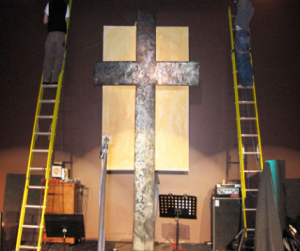
The fully customizable “Yawhweh” cross can be custom fabricated to any size and features a modular design for easy assembly, transport and reassembly Tor...
Read Article →
July 22, 2015
Protect your metal parts with a high-impact powder coat and custom metal work
Our powder coat facility in actionWithout a high-impact powder coat finish, metal is extremely susceptible to rust and corrosion. It doesn’t make a lot...
Read Article →