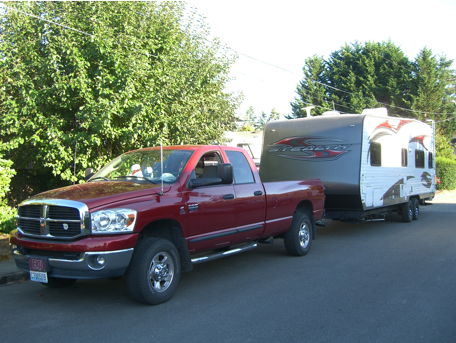

Weight Distribution Hitch Installation | Kent, WA
Schedule Weight Distribution Hitch Installation
Serving Kent, WA & surrounding area

Weight Distribution Hitch
Installation

Professional weight distribution hitch installation and setup for compatible tow vehicles and trailers. Torklift Central can review receiver and hitch ratings, loaded tongue weight, hitch-head and ball setup, shank range, spring bars, frame brackets, sway control, coupler height, trailer level, existing equipment, manufacturer instructions, and intended use before recommending a complete setup.

50+
Years of Trusted Hitch & Vehicle Upfit Experience
234,000+
Installations Completed
100%
Workmanship Guarantee
Quick
Service Availability

Why Correct Weight Distribution Hitch Setup Matters

A weight distribution hitch is not selected by trailer appearance alone. The tow vehicle, receiver, trailer, loaded tongue weight, hitch rating, spring bar range, coupler height, trailer frame, frame bracket location, sway control needs, cargo placement, suspension condition, existing equipment, and manufacturer instructions all affect the setup. A complete review helps identify whether the system is compatible and how it should be adjusted.

  • Application Review We review the tow vehicle, receiver, trailer, ratings, loaded tongue weight, coupler, frame, cargo, existing hitch parts, and intended use before selecting or adjusting a system.
  • Correct Component Range Hitch heads, shanks, hitch balls, spring bars, frame brackets, hardware, and sway control components must match the application and remain within their stated ratings.
  • Height & Adjustment Coupler-to-ball height, trailer level, hitch-head angle, spring bar engagement, front-axle load restoration guidance, and bracket position may affect final setup.
  • Sway Control Review Integrated or separate sway control can be reviewed when compatible with the trailer, receiver, frame, coupler, braking system, and manufacturer instructions.
  • Ratings-Based Guidance A weight distribution hitch does not increase manufacturer ratings. The tow vehicle, receiver, trailer, tires, wheels, axles, hitch, and every component must remain within its applicable rating.

Not every tow vehicle, receiver, and trailer combination supports weight distribution. Final recommendations depend on the exact application, loaded condition, frame design, coupler location, surge-brake compatibility if applicable, propane and battery placement, bracket access, ratings, condition, parts availability, and intended use.

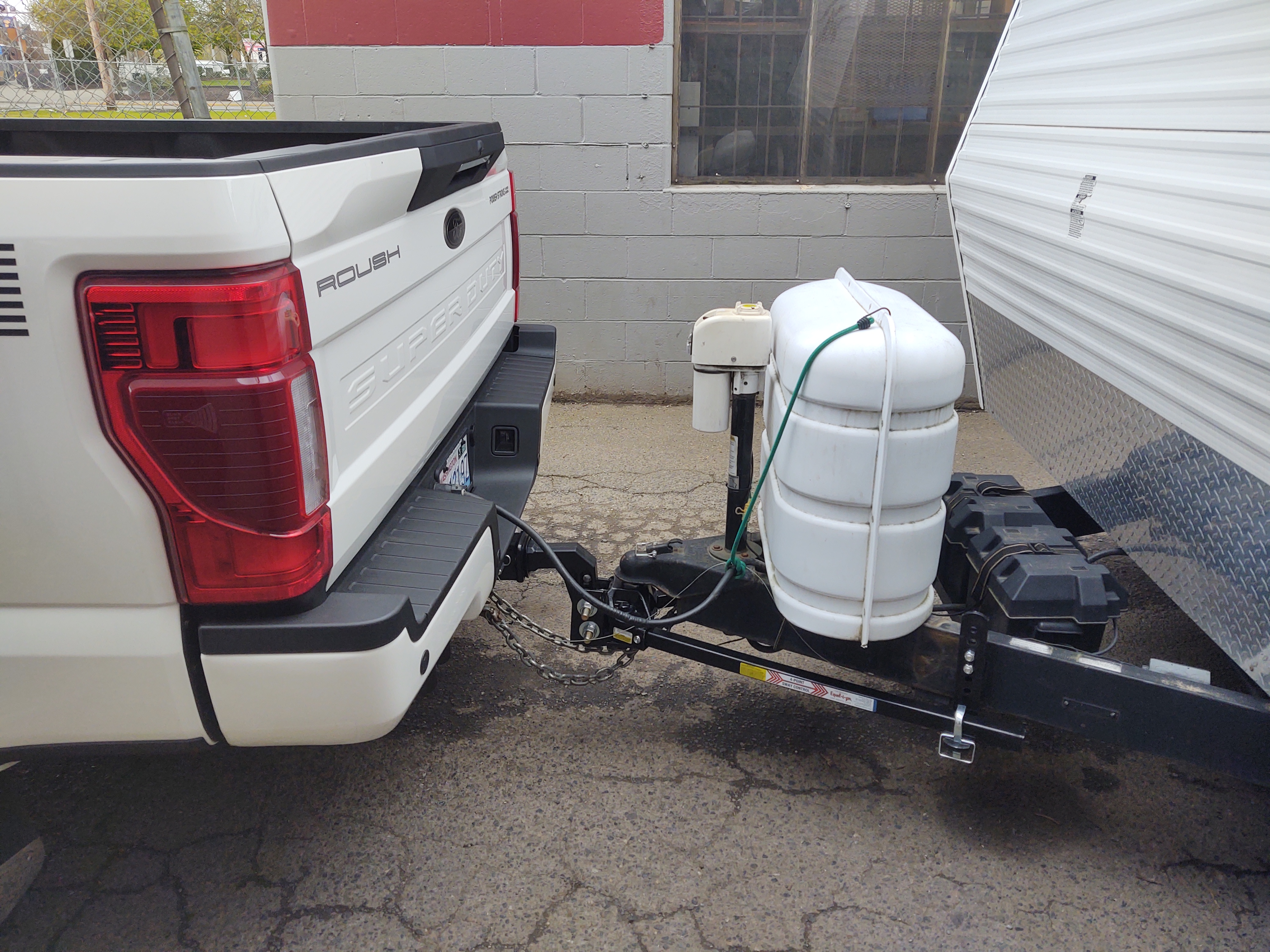
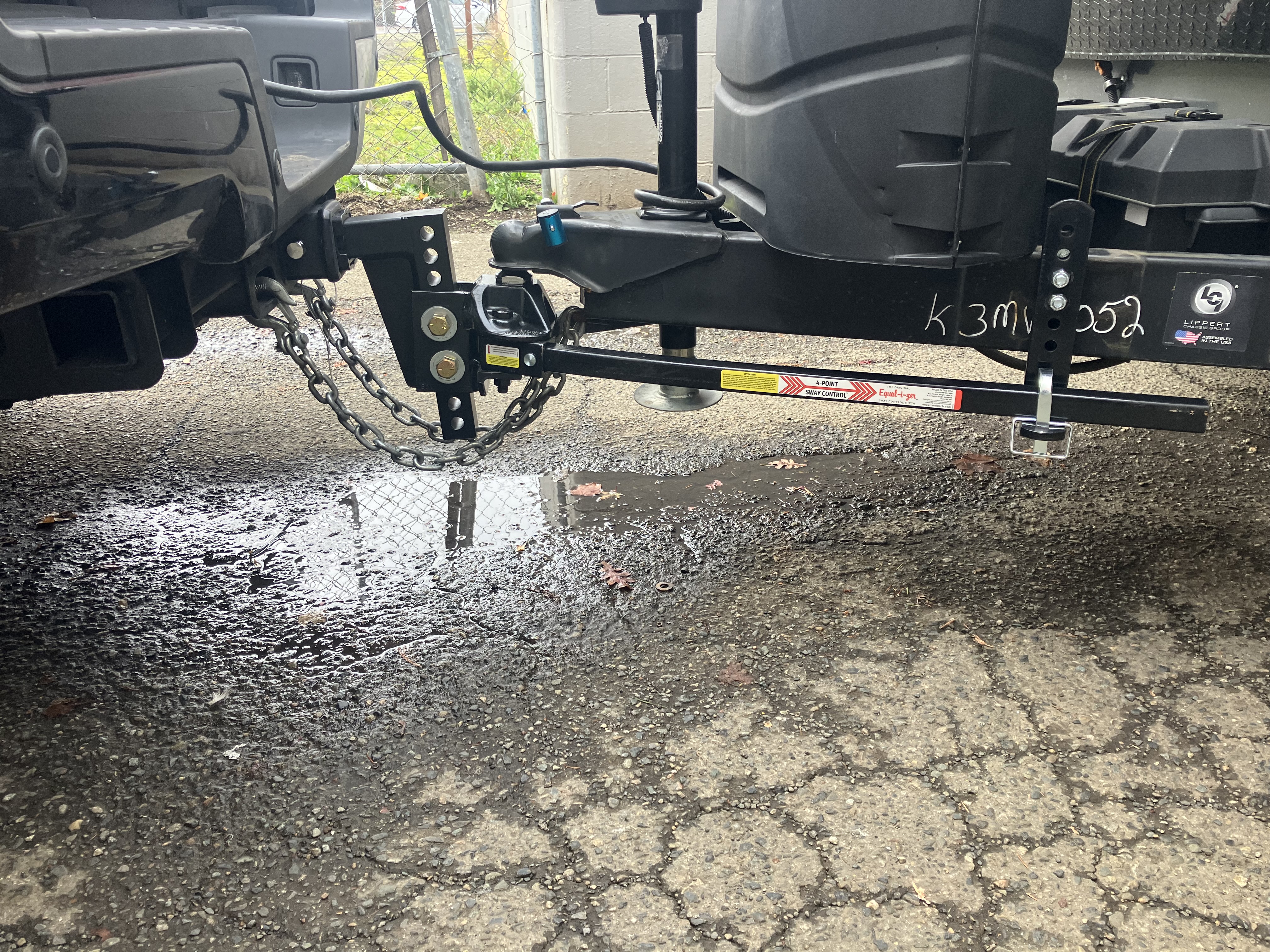
Weight distribution hitch installation placeholder
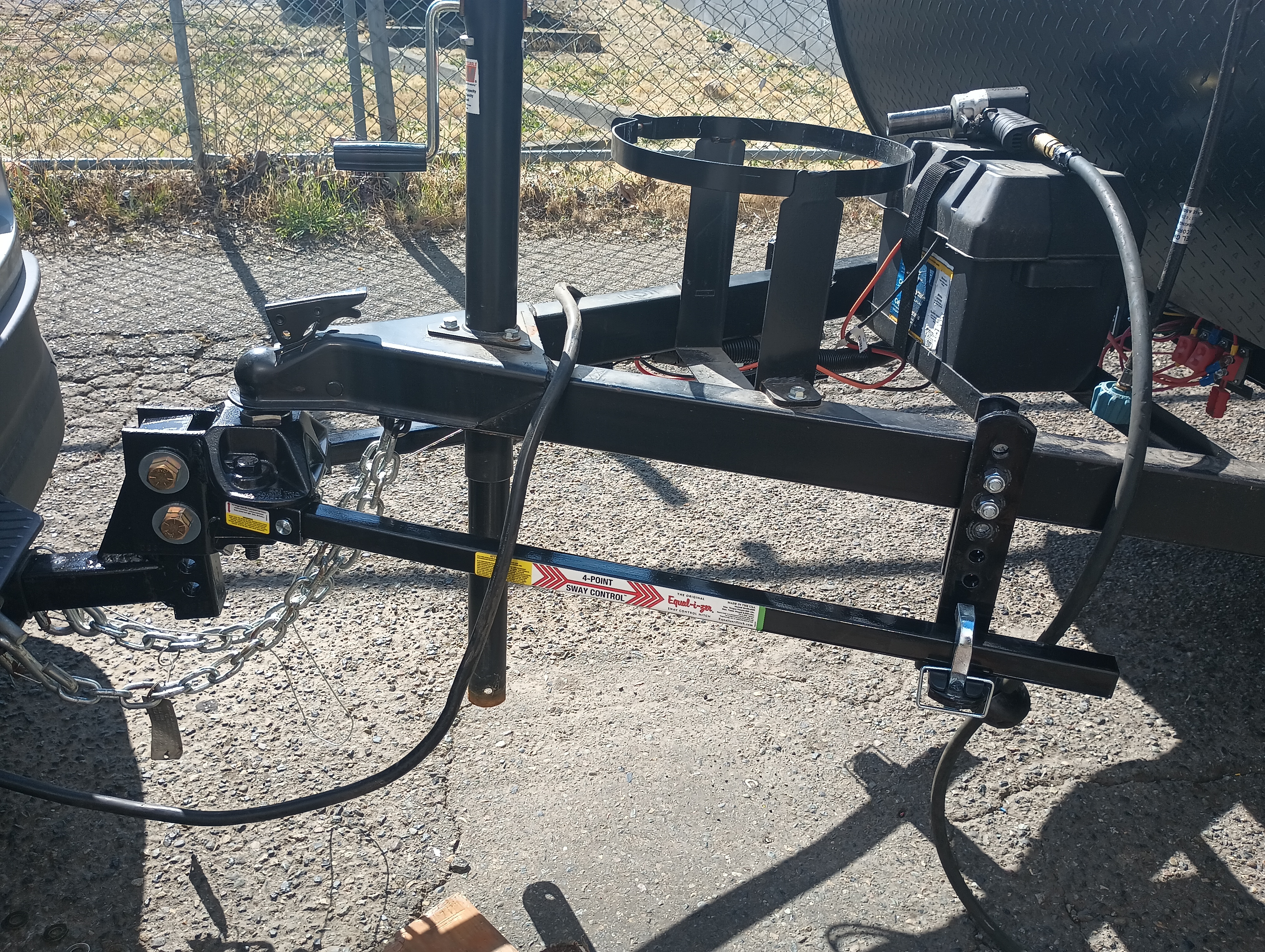
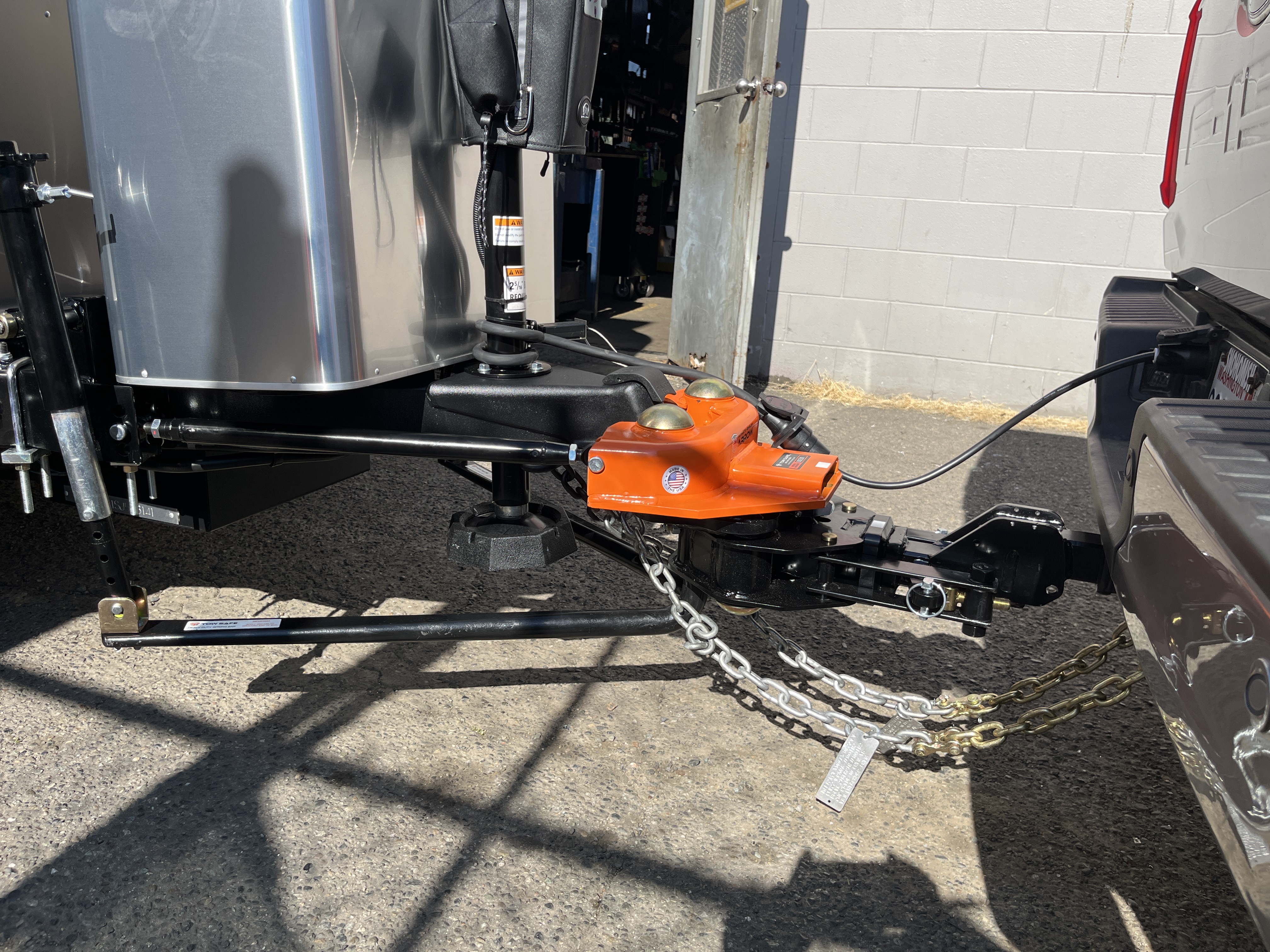
Weight distribution spring bar and frame bracket setup placeholder
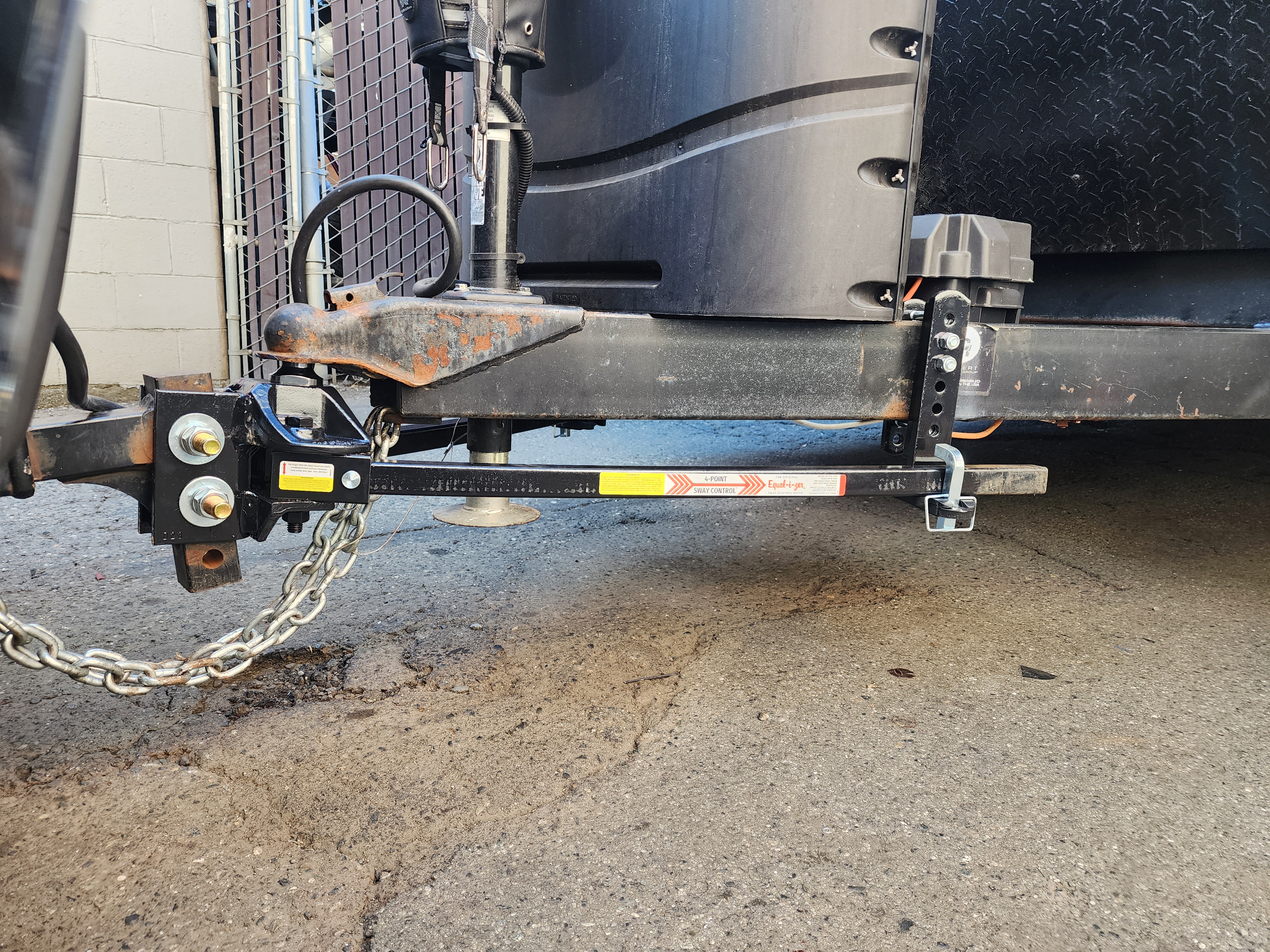
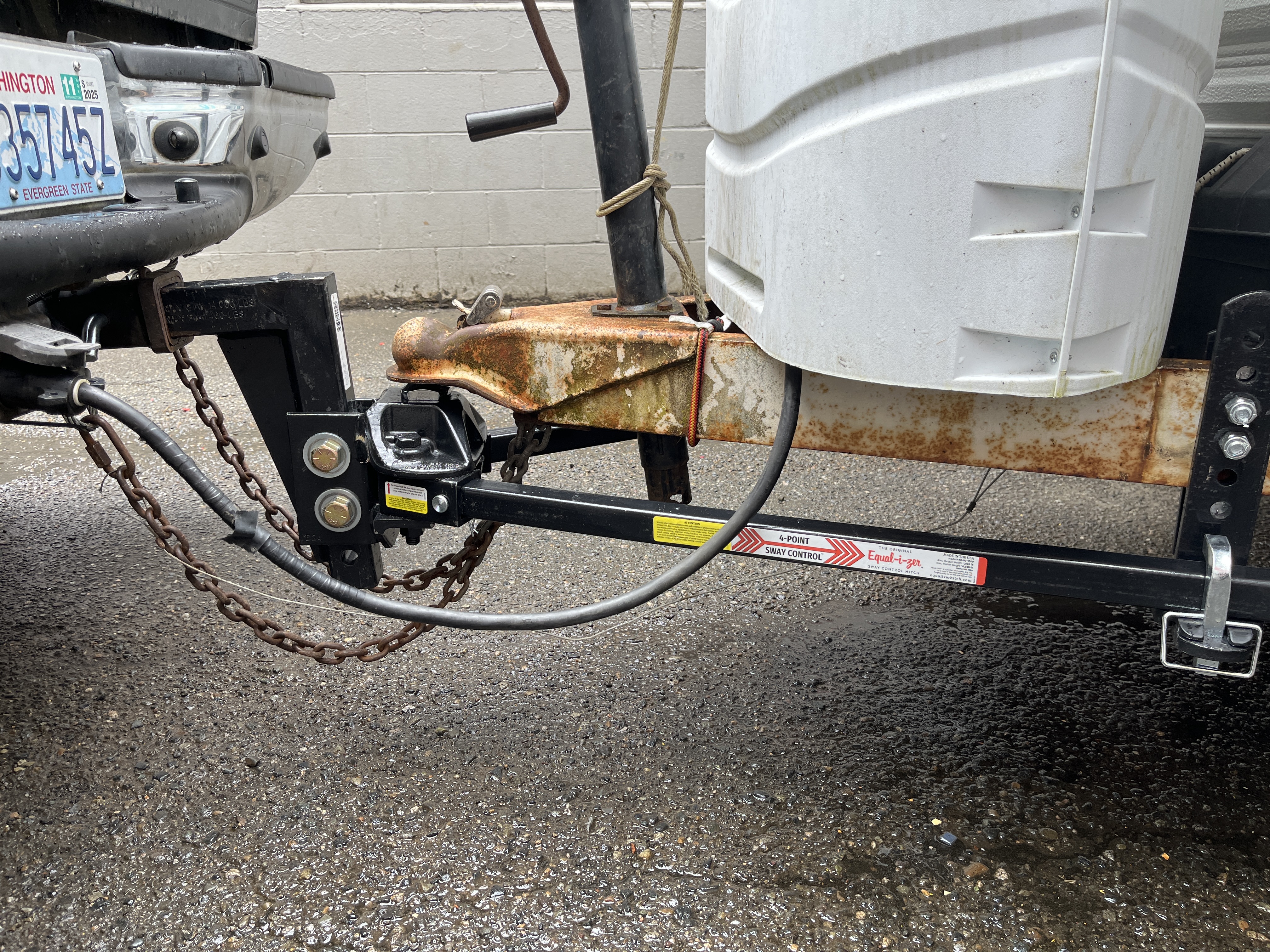
Weight distribution hitch head and shank adjustment placeholder
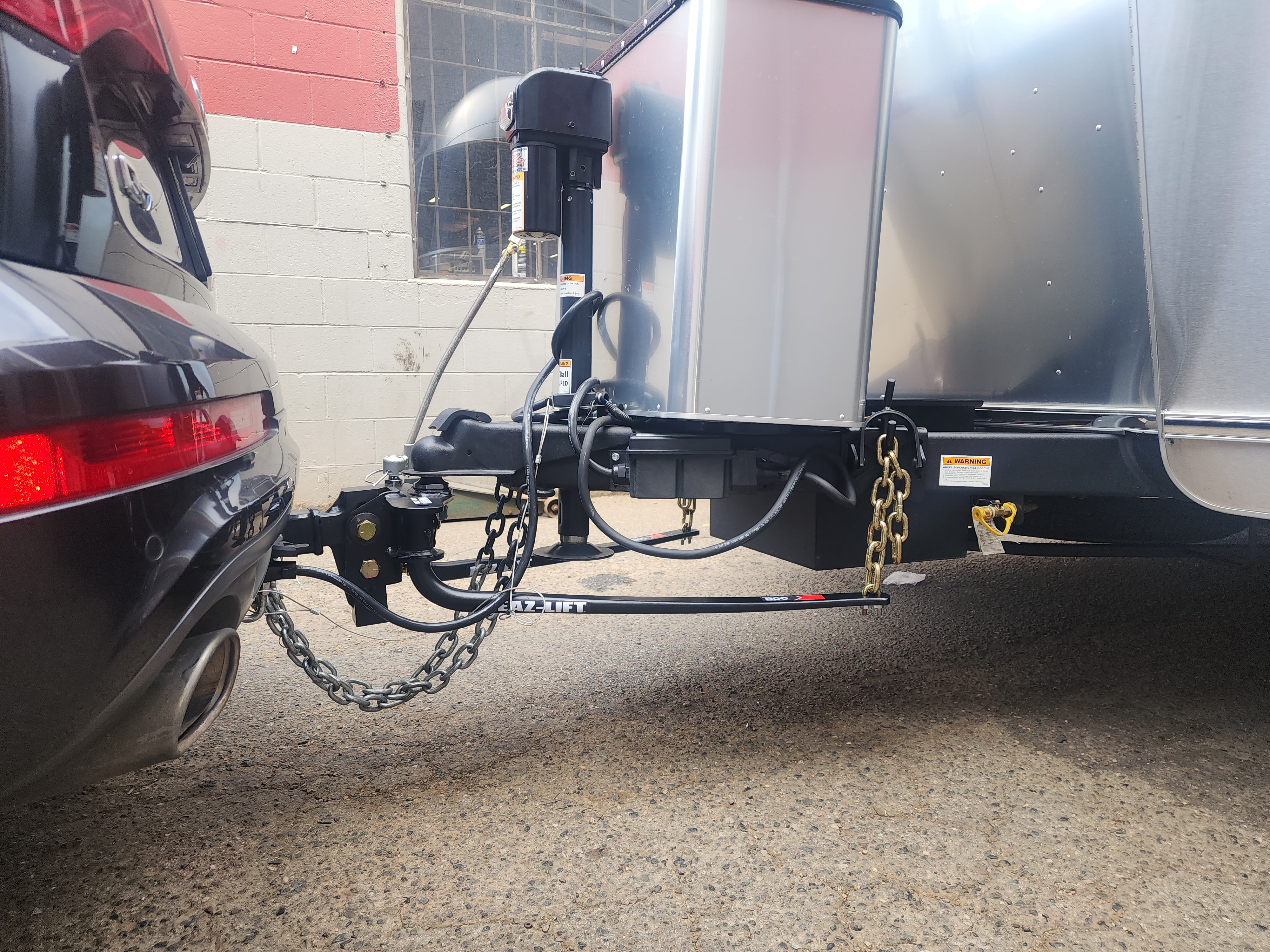
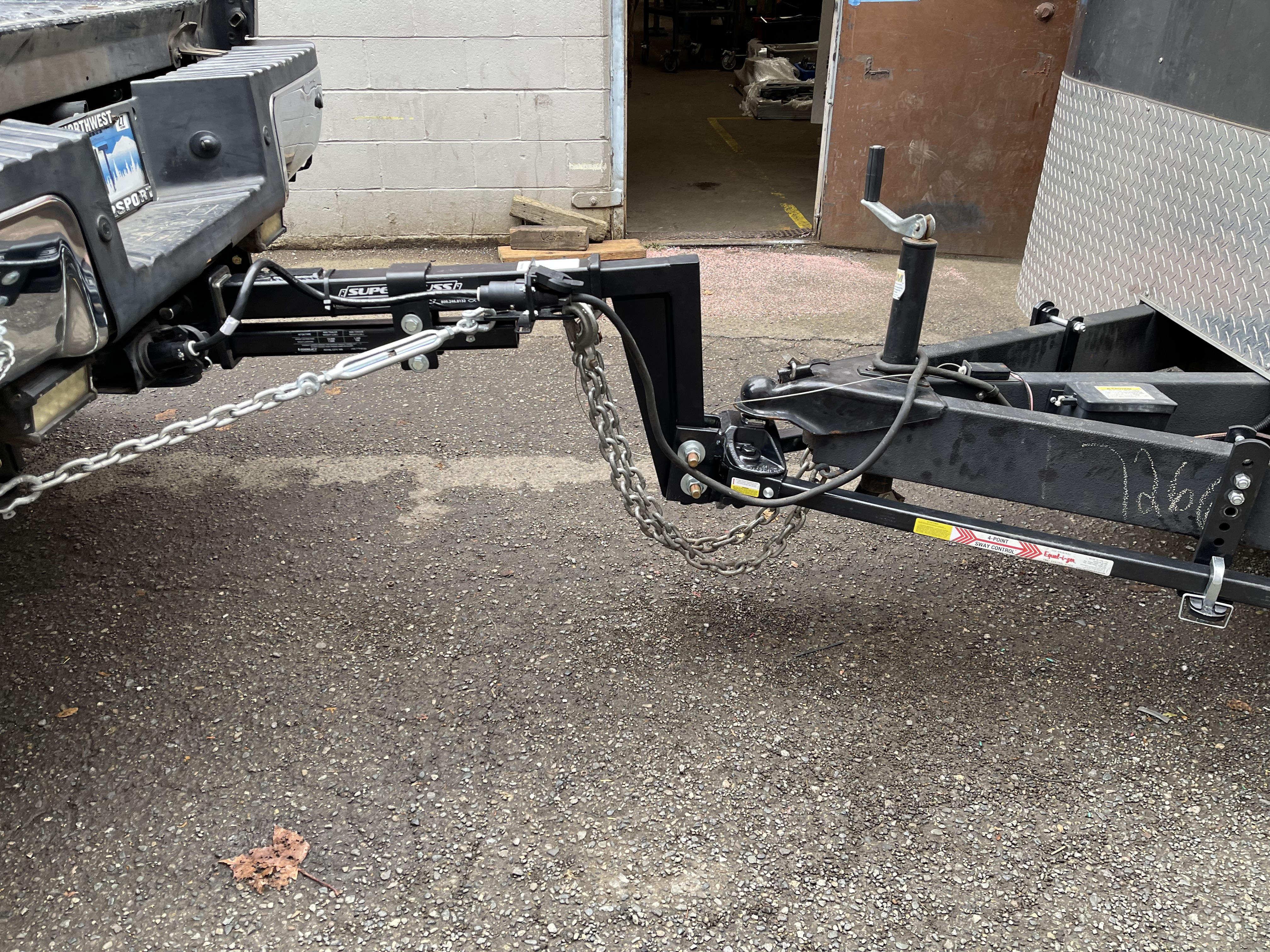
Trailer sway control and towing setup placeholder

Professional Weight Distribution Hitch Installation Process

Weight distribution setup is inspection- and fitment-based. Our team reviews the exact tow vehicle, trailer, receiver, ratings, expected loaded tongue weight, hitch system, trailer frame, coupler height, existing equipment, sway control needs, clearance, manufacturer instructions, and intended use before recommending equipment or installation work.

1

Application Review

We review the tow vehicle, receiver, trailer, ratings, loaded tongue weight, coupler, frame, cargo, current hitch parts, clearance, and intended use.

2

System Recommendation

We identify the hitch head, shank, ball, spring bar range, frame brackets, sway control, and related hardware that may fit the application.

3

Installation & Adjustment

When approved, work may include hitch assembly, ball installation, shank and head adjustment, bracket mounting, spring bar setup, and compatible sway control.

4

Final Review

We review visible hardware, adjustment, trailer level, clearance, connections, remaining concerns, and customer-specific hookup guidance before completion.

Quoted Installation Time: Actual time may vary based on the tow vehicle, trailer, receiver, hitch system, existing equipment, ball and shank needs, frame bracket access, sway control, adjustment requirements, parts, labor, and installation scope.

Weight Distribution Hitch Components We Can Review

Torklift Central can review common weight distribution hitch components and recommend an installation or adjustment path after confirming the application. The correct setup depends on the tow vehicle, receiver, trailer, ratings, loaded tongue weight, frame design, coupler height, existing equipment, clearance, condition, and manufacturer instructions.

Hitch Head & Ball
Adjustable Shanks
Spring Bars
Frame Brackets
Sway Control
Coupler & Ball Height
Hardware & Fasteners
Trailer Level & Setup

System compatibility and final adjustment depend on the exact tow vehicle, receiver, trailer, loaded tongue weight, frame and coupler configuration, existing equipment, manufacturer instructions, and intended use.

Weight Distribution Hitch Installation Cost

Service Type
Typical Service Time
Typical Price Range
Application / Existing Setup Review
Placeholder
Placeholder
Weight Distribution Hitch Installation
Placeholder
Placeholder
Hitch Head / Ball / Shank Setup
Placeholder
Placeholder
Spring Bar / Frame Bracket Setup
Placeholder
Placeholder
Compatible Sway Control Installation
Placeholder
Placeholder
Existing System Adjustment / Inspection
Placeholder
Placeholder
Replacement Parts / Hardware Review
Placeholder
Placeholder

Final pricing depends on the tow vehicle, trailer, receiver, hitch system, loaded tongue weight, spring bar range, hitch ball, shank, frame brackets, sway control, existing equipment, condition, hardware, parts, labor, access, adjustment needs, and installation scope. Call 253-854-1832 for application-specific quote guidance.

Weight Distribution Hitch Installation Near You

Torklift Central provides professional weight distribution hitch installation and setup evaluation in Kent, WA and the surrounding area, with customers also traveling from outside the immediate area for our towing, hitch, wiring, fabrication, and vehicle upfit experience.

Kent Seattle Tacoma Bellevue Renton Federal Way Auburn Puyallup Olympia Everett

Located in Kent, WA, Torklift Central serves towing customers throughout the greater Seattle and Pacific Northwest area. Bring the tow vehicle and trailer when possible so the complete application, loaded setup, fitment, and clearance can be reviewed.

Weight Distribution Hitch Setup For Compatible Trailer Applications

Torklift Central can review weight distribution hitch installation for many compatible bumper-pull trailer applications, including travel trailers, enclosed cargo trailers, equipment trailers, car haulers, utility trailers, and other eligible receiver-towed trailers. Compatibility depends on the tow vehicle, receiver, trailer frame, coupler, loaded tongue weight, spring bar range, frame bracket space, propane and battery placement, surge-brake system if present, hitch and receiver ratings, manufacturer instructions, and intended use. Not every trailer or receiver is designed for weight distribution, and some applications may require a different towing solution.

Why Choose Torklift Central For Weight Distribution Hitch Installation?

Weight distribution hitch installation is different from simply attaching a ball mount. Receiver ratings, loaded tongue weight, spring bar range, hitch-head angle, ball and coupler height, trailer frame, bracket position, sway control, cargo placement, suspension condition, safety connections, and manufacturer instructions all need careful review. Torklift Central brings decades of towing, hitch, wiring, braking, fabrication, and vehicle upfit experience to the setup.

Ratings-Based Guidance
Tow vehicle, receiver, trailer, hitch, tongue weight, spring bars, tires, wheels, and axle ratings reviewed
Complete System Focus
Hitch head, ball, shank, spring bars, frame brackets, sway control, height, and adjustment reviewed together
Application-Specific Setup
Tow vehicle, receiver, trailer frame, coupler, cargo, clearance, and existing equipment reviewed when appropriate
Honest Compatibility Guidance
We explain when a requested system or tow vehicle and trailer combination is not appropriate

Professional setup guidance helps avoid unsafe assumptions about receiver ratings, tongue weight, spring bar sizing, frame bracket placement, sway control, ball height, trailer level, hardware, cargo loading, and manufacturer towing limits.

Our Weight Distribution Hitch Recommendations

Our recommended starting point is confirming the exact tow vehicle, receiver, trailer, and loaded towing application before selecting or adjusting a system. Similar-looking trailers can have different tongue weights, frame designs, coupler locations, propane and battery placement, bracket space, brake systems, and manufacturer restrictions.

Select The System For The Loaded Application

We recommend selecting the hitch and spring bar range from the expected loaded trailer tongue weight and applicable cargo carried behind the tow vehicle's rear axle, while remaining within every tow vehicle, receiver, trailer, hitch, tire, wheel, and axle rating.

Best for:

  • New travel trailer or bumper-pull trailer setup
  • Replacing an incomplete or incompatible hitch system
  • Choosing spring bars, shank, hitch ball, and frame brackets
  • Reviewing integrated or separate compatible sway control
  • Confirming receiver and trailer-frame compatibility

Set Up And Recheck The Complete Combination

After equipment is selected, we recommend setup with the tow vehicle and trailer in a representative loaded condition when practical. Changes to trailer loading, tongue weight, tow vehicle cargo, suspension, tires, hitch components, or ride height may require the system to be reviewed and adjusted again.

Best for:

  • Hitch-head angle, shank height, and ball-height adjustment
  • Spring bar engagement and frame bracket setup
  • Trailer-level and visible clearance review
  • Existing system inspection or adjustment
  • Customer-specific hookup and inspection guidance

Need Help Planning Your Towing Setup?

Not every tow vehicle, trailer, receiver, or weight distribution system uses the same spring bars, shank, hitch ball, frame brackets, sway control, or adjustment method. Torklift Central can review the exact application and explain which towing setup path may fit.

Frequently Asked Questions

Do you install weight distribution hitches?

Yes. Torklift Central can review and install compatible weight distribution hitch systems for eligible tow vehicles and trailers. Final recommendations depend on the exact tow vehicle, trailer, receiver, hitch ratings, loaded tongue weight, coupler height, trailer frame, bracket placement, spring bar range, sway control needs, condition, manufacturer instructions, and intended use.

How do you choose the correct weight distribution hitch?

System selection should be based on the loaded trailer tongue weight plus eligible cargo carried behind the tow vehicle's rear axle, while staying within the ratings and instructions for the tow vehicle, receiver, trailer, hitch, spring bars, tires, wheels, and axles. The exact application should be reviewed before equipment is selected.

Does a weight distribution hitch increase towing capacity?

No. A weight distribution hitch does not increase the tow vehicle, receiver, trailer, axle, tire, wheel, payload, or other manufacturer ratings. The complete combination must remain within every applicable rating.

Can you install sway control with a weight distribution hitch?

Sway control can be reviewed and installed when the tow vehicle, receiver, trailer frame, coupler, hitch system, and manufacturer instructions support it. Some weight distribution systems include integrated sway control, while others use separate compatible components.

Can you adjust an existing weight distribution hitch?

Yes. Existing systems can be reviewed for visible wear, damage, corrosion, missing hardware, incorrect spring bar range, poor bracket placement, hitch-head angle, ball height, trailer level, receiver compatibility, and adjustment concerns. Replacement may be recommended when the system is damaged, incomplete, incompatible, or outside its appropriate range.

What information should I bring for the installation?

Bring the tow vehicle and trailer when possible, along with available year, make, model, configuration, receiver information, trailer GVWR, coupler type, expected loaded trailer weight, estimated or measured loaded tongue weight, existing hitch components, and details about cargo normally carried in the tow vehicle and trailer.

Will the trailer be level after installation?

Trailer level and coupler-to-ball height are part of the setup review. Final position depends on the tow vehicle, trailer, loaded condition, shank range, hitch-head adjustment, tire size, suspension condition, coupler design, and the manufacturer's setup instructions.

Can every trailer use a weight distribution hitch?

No. Compatibility depends on the tow vehicle, receiver, trailer frame, coupler, tongue configuration, surge-brake system if present, frame materials, propane or battery placement, bracket access, ratings, and manufacturer instructions. Some applications may require a different system or may not support weight distribution.

How much does weight distribution hitch installation cost?

Pricing is inspection- and application-based. Final pricing depends on the tow vehicle, trailer, hitch system, receiver compatibility, existing equipment, spring bars, shank, hitch ball, frame brackets, sway control, hardware, adjustment needs, parts, labor, access, and installation scope.

Should the hitch be checked again after loading or towing?

A weight distribution system may need to be reviewed when trailer loading, tongue weight, tow vehicle cargo, ride height, tires, suspension, or equipment changes. Follow the hitch and vehicle manufacturers' inspection, torque, lubrication, and adjustment instructions before towing.

What Trailer Owners Say About Weight Distribution Hitch Service

“Torklift Central reviewed the truck, receiver, trailer, and loaded towing setup before recommending a weight distribution hitch. They explained the spring bar range, hitch adjustment, frame brackets, and sway control instead of treating it like a one-size-fits-all installation.”

— Travel Trailer Owner Verified Review

“I brought in an existing hitch that did not seem to be set up correctly. The team checked the receiver, ball height, spring bars, brackets, trailer level, and visible hardware, then explained which parts could be adjusted and what needed replacement.”

— Trailer Towing Customer Verified Review

“The process was straightforward. They explained what depended on the actual tongue weight and trailer frame, what equipment fit the application, and what affected the final installation and adjustment cost before any work started.”

— Local Towing Customer Verified Review
Torklift Central Local Install Services: Hitches, Wiring, Brake Controllers, and More
July 21, 2026

Torklift Central Local Install Services: Hitches, Wiring, Brake Controllers, and More

A full overview of local towing installation services available at Torklift Central in Kent, WA. Torklift Central is more than a parts counter. Our Kent, WA ...

Read Article →
When to Use a Local Hitch Installer Instead of a DIY Install
July 21, 2026

When to Use a Local Hitch Installer Instead of a DIY Install

Some hitch installs are straightforward DIY projects. Others benefit from a local shop with the right tools, torque specs, and experience. Installing a trail...

Read Article →
Custom Towing Fabrication and Installation Support in Kent, WA
July 21, 2026

Custom Towing Fabrication and Installation Support in Kent, WA

When an off-the-shelf solution does not fit, local fabrication capability can make the difference. Some towing jobs are simple: install a hitch, wire the tra...

Read Article →