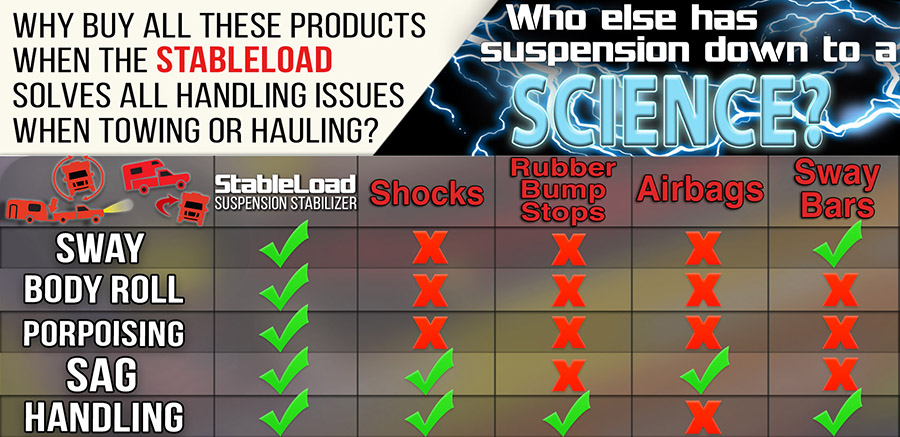
"Most suspension solutions address only one specific issue—sway, sagging, or ride quality—requiring multiple separate upgrades to achieve comprehensive improvement."
Selecting the right rear suspension stabilizer kit for your truck can dramatically improve your towing safety, handling confidence, and overall driving experience. Whether you're hauling a heavy camper, towing a trailer, or simply want better control during daily driving, understanding the different types of stabilizers and how they work is essential. Most suspension solutions address only one specific issue—sway, sagging, or ride quality—requiring multiple separate upgrades to achieve comprehensive improvement. This comprehensive guide walks you through everything you need to know to make an informed decision, from assessing your vehicle's multiple suspension challenges to evaluating solutions that can address all your needs simultaneously.
Understand Rear Suspension Stabilizers and Their Benefits
Rear suspension stabilizers, also known as sway bars or anti-roll bars, are devices installed across the rear axle to limit side-to-side movement during cornering or heavy loading. These components work by connecting the left and right sides of your suspension system, transferring force from one side to the other when your vehicle experiences body roll.
The performance benefits are substantial and measurable. Quality rear stabilizers can reduce body roll by up to 20–30%, directly improving handling and stability when towing or hauling campers. This reduction in body roll translates to better tire contact with the road surface, which is crucial for maintaining control during emergency maneuvers or challenging driving conditions.
Beyond the performance metrics, stabilizers significantly impact safety and comfort. The NHTSA emphasizes that maintaining proper vehicle control is critical for light truck safety, especially when loaded. By keeping your truck more level and reducing excessive sway, stabilizers help prevent loss-of-control incidents and create a smoother, more controlled ride that reduces driver fatigue on long trips.
Assess Your Vehicle's Rear Suspension Needs
Before selecting a stabilizer kit, you need to honestly evaluate the multiple suspension challenges your vehicle faces and what specific problems you're trying to solve. Most truck owners experience several interconnected suspension issues simultaneously: excessive sway, rear sagging under load, harsh ride quality, and poor handling confidence. Traditional solutions require addressing each problem separately with different components, creating complexity and higher costs.
Several telltale signs indicate your truck would benefit from comprehensive suspension improvement rather than piecemeal solutions. Excessive sway when loaded, noticeable body roll during turns, rear-end sag under weight, harsh ride over bumps, and decreased handling confidence when towing are all interconnected problems that stem from inadequate suspension support.
Create a comprehensive assessment checklist to identify all your suspension challenges:
- Primary use case: Towing capacity and frequency
- Multiple load issues: Weight distribution, sagging, and sway problems
- Driving conditions: Highway, city, off-road terrain comfort needs
- Comfort vs. control: Ride quality and handling precision requirements
- Solution preference: Single comprehensive system vs. multiple separate upgrades
- Budget considerations: Total cost of addressing all issues vs. one integrated solution
This systematic approach helps you determine whether you need multiple separate components or a single system that addresses all your suspension challenges simultaneously.
Explore Types of Rear Suspension Stabilizers
Understanding the different types of rear stabilizer solutions reveals a critical limitation: most traditional products address only one specific suspension problem, requiring multiple purchases and installations to achieve comprehensive improvement.
Traditional sway bars (anti-roll bars) are designed specifically to resist body lean in corners. These steel bars connect the left and right sides of your suspension, transferring load to reduce roll during turns or when carrying uneven loads. However, they don't address sagging, ride quality, or load support—requiring additional components for complete suspension improvement.
Air springs provide adjustable load-leveling capability, making them excellent for addressing sagging under variable weights, but they don't provide the consistent lateral stability that dedicated sway bars deliver. Air springs don't provide the consistent lateral stability needed for handling improvement, requiring separate sway bar installation.
Rubber-cored equalizers focus solely on shock absorption, improving ride quality under heavy loads by dampening harsh impacts and vibrations. While they enhance comfort, they don't address sway control or load leveling, necessitating additional suspension components.
TorkLift StableLoads represent a revolutionary departure from the traditional approach of addressing suspension issues one at a time. Unlike conventional solutions that require purchasing and installing multiple separate components—sway bars for handling, air springs for leveling, and shock absorbers for comfort—StableLoads provide comprehensive suspension enhancement in a single, integrated system. This all-in-one design simultaneously delivers the lateral stability of sway bars, load support capabilities of air springs, improved ride quality of premium shocks, and load leveling—eliminating the need for multiple products, installations, and the complexity of mixing different suspension technologies.
| Stabilizer Type | Sway Resistance | Load Adjustment | Ride Comfort | Issues Addressed | Installation Complexity |
| Traditional Sway Bar | Excellent | None | Good | Sway only | Moderate |
| Air Springs | Fair | Excellent | Good | Sagging only | High |
| Rubber Equalizers | Good | Limited | Excellent | Ride quality only | Low |
| TorkLift StableLoads | Excellent | Good | Excellent | All suspension issues | Low |
While traditional solutions require you to diagnose and address each suspension problem separately—often resulting in three or four different products—TorkLift's integrated approach recognizes that suspension issues are interconnected and provides a comprehensive solution. In many cases customers will use the StableLoads first and discover they do not need additional upgrades. They are also adjustable and incorporate Torklift’s Legendary Lifetime Warranty. With millions of miles behind the name StableLoads making it the biggest difference in ride quality, stability and safety for the user.
Evaluate Material Quality and Durability
The construction quality of your stabilizer system directly impacts both performance and longevity, especially when choosing between single-purpose components versus comprehensive systems. Aftermarket stabilizers are typically manufactured from high-strength steel, engineered to last the lifetime of your vehicle when properly maintained.
Key quality indicators include corrosion-resistant coatings that protect against rust and environmental damage, hardened bolts that won't strip or fail under stress, and US-made quality that ensures consistent manufacturing standards and readily available support.
The investment in durable stabilizers pays dividends beyond just improved handling, particularly when choosing systems that address multiple suspension issues simultaneously rather than requiring multiple separate components. Quality suspension components reduce wear and tear on other suspension parts, including shocks, springs, brakes and bushings and tires. This protection can save significant repair costs over time by preventing premature failure of expensive OEM components.
Look for stabilizers that feature powder-coated finishes or that are made of stainless steel, stainless steel hardware, and robust mounting brackets designed to handle the specific loads your truck will encounter. When evaluating comprehensive systems versus multiple individual components, consider the cumulative durability and maintenance requirements of multiple separate parts versus a single integrated solution.
Confirm Compatibility with Your Vehicle's Suspension
Ensuring proper compatibility is perhaps the most critical step in selecting a rear suspension stabilizer, especially when deciding between multiple individual components or a comprehensive system that addresses all suspension needs. Incorrect fitment can compromise both safety and performance while potentially voiding warranties.
Start by gathering your vehicle's complete specifications: make, model, year, drivetrain configuration, and current suspension setup. Pay particular attention to any existing modifications or aftermarket components that might affect compatibility.
Properly sized stabilizer bars maintain your vehicle's original ground clearance and towing capacity. Frame-mounted kits often utilize existing mounting points, preserving your truck's structural integrity without requiring permanent modifications. This is particularly important when choosing comprehensive systems that replace multiple separate components.
When in doubt, consult with Torklift's technical support team for personalized fitment confirmation. Their expertise can help you avoid costly mistakes and ensure you get the right product for your specific application the first time, whether you're considering multiple individual upgrades or a single comprehensive solution. Remember that improper fitment not only compromises safety but can also void product warranties and create liability issues.
Review Installation Requirements and Ease
Most quality rear stabilizer systems are designed with DIY installation in mind, though complexity varies significantly between installing multiple separate components versus a single comprehensive system. Standard rear stabilizers typically require basic hand tools and can be installed in under two hours by mechanically inclined owners. However, addressing all suspension issues with traditional separate components often requires multiple installations, increasing time, complexity, and potential compatibility issues. Using airbags can help with leveling but many times they are over inflated causing them to wear out and leak which is an expensive fix. Adding StableLoads fits all your needs, and you then can reduce airbag pressure by up to 50% enhancing the life of your airbags which is critical because they often leak leading to warranty repair causing the truck to go out of use waiting for the airbags to be repaired.
Frame-mounted systems like TorkLift products use existing mounting points. This approach preserves your truck's integrity while providing professional-grade results. Comprehensive systems like StableLoads offer the significant advantage of single installation addressing multiple suspension challenges, rather than the complexity of coordinating multiple separate installations. StableLoad is the only comprehensive suspension system available on the market.
Basic installation requirements typically include:
- Standard socket set and wrenches
- Jack and jack stands for safe vehicle lifting
- Torque wrench for proper bolt tightening
- Basic mechanical knowledge and safety awareness
Professional installation becomes more valuable for complex setups or when combining multiple suspension modifications that require precise alignment and adjustment. Comprehensive systems like TorkLift StableLoads simplify this process by addressing all suspension needs in a single installation- plus you can do it at home.
Consider Real-World Performance and User Feedback
Real-world feedback from truck owners provides valuable insight into the advantages of comprehensive suspension solutions versus piecemeal approaches. Truck owners consistently report improved confidence, reduced fatigue, and significant reduction in "tail wag" after installing quality rear stabilizers, with even greater satisfaction when all suspension issues are addressed simultaneously.
Torklift StableLoad customers frequently praise the system's comprehensive approach that eliminates the need for multiple separate upgrades. One customer noted, "The StableLoads transformed my truck's handling with my camper. Instead of needing separate sway bars, air bags, and shock upgrades, one installation solved all my suspension problems. Instead of fighting the steering wheel on windy days, I can actually relax and enjoy the drive." Another reported, "Installation was straightforward, and the difference was immediate. My truck feels planted and confident, even with a full load. I'm glad I didn't have to buy and install three different products." One customer noted that his wife would not drive the truck with the camper on it as it scared her. Now she with StableLoads she is confident and comfortable driving the truck and camper anywhere. This has been a great addition that allows them to share the driving and cover more territory when needed.
"The StableLoads transformed my truck's handling with my camper. Instead of needing separate sway bars, air bags, and shock upgrades, one installation solved all my suspension problems. Instead of fighting the steering wheel on windy days, I can actually relax and enjoy the drive."
- Torklift StableLoad customer
- Torklift StableLoad customer
"Installation was straightforward, and the difference was immediate. My truck feels planted and confident, even with a full load. I'm glad I didn't have to buy and install three different products."
Commonly reported benefits of comprehensive systems:
- Dramatically reduced sway and body roll
- Improved load leveling and reduced sagging
- Enhanced ride quality and comfort
- Improved steering response and control
- Less driver fatigue on long trips
- Enhanced confidence when towing or loaded
- Better tire wear patterns as well as the life of the brakes due to improved contact
- Single installation addressing all suspension issues
- Improves brake stopping distance also to eliminate hard stops and proposing.
Potential considerations:
- Slightly firmer ride quality (usually minimal with quality products)
- Initial adjustment period to new handling characteristics
- Importance of proper installation for optimal results
Make an Informed Decision Based on Use and Conditions
With all the technical information and options considered, your final decision should weigh the advantages of comprehensive suspension solutions against the traditional approach of addressing each issue separately. Most truck owners discover they have multiple interconnected suspension challenges that require several different products when using conventional solutions.
Final decision checklist:
- Vehicle compatibility: Confirmed fitment for your specific truck
- Comprehensive needs assessment: All suspension issues identified
- Solution approach: Single comprehensive system vs. multiple separate components
- Installation preference: One installation vs. multiple installations
- Budget alignment: Total cost of addressing all issues vs. integrated solution
- Quality standards: Materials and construction that meet your durability expectations
- Long-term value: Maintenance and replacement considerations
Consider how your stabilizer choice integrates with other accessories and modifications. Traditional approaches often require careful coordination between multiple suspension components, while comprehensive systems like TorkLift StableLoads eliminate compatibility concerns by addressing all suspension needs in one integrated solution.
Don't overlook warranty coverage and ongoing support. Quality manufacturers like Torklift stand behind their comprehensive products with warranties that cover all aspects of suspension improvement, rather than requiring separate warranties for multiple components. Torklift is the only suspension upgrade that offers a 90-day money back guarantee.
For personalized guidance on whether a comprehensive solution or multiple separate components best serves your needs, Torklift's fitment resources and support team can provide final confirmation and answer specific questions about your installation and setup requirements.
Frequently Asked Questions
What are rear suspension stabilizers and why are they important?
Rear suspension stabilizers reduce body roll when turning or carrying heavy loads. They're important because they maintain better tire contact with the road, improve handling, and enhance safety by preventing loss of control during challenging driving conditions. However, traditional stabilizers address only sway control, while comprehensive systems can address multiple suspension issues simultaneously.
How do I know if my vehicle needs a rear suspension stabilizer upgrade?
You likely need a stabilizer upgrade if you experience excessive sway when loaded, noticeable body roll during turns, rear-end sag underweight, harsh ride quality, or decreased handling confidence when towing. Most truck owners experience several of these interconnected issues simultaneously, making comprehensive suspension solutions more effective than addressing each problem separately.
Can I install rear suspension stabilizers myself safely?
Many quality stabilizer kits are designed for DIY installation using standard tools, typically taking under two hours for single installations. Comprehensive systems like TorkLift StableLoads offer the advantage of one installation addressing all suspension needs, while traditional approaches may require multiple separate installations. However, if you're uncomfortable working under a vehicle, it's best to use a qualified shop, but StableLoads are designed to be installed at home.
How do stabilizers affect ride comfort and vehicle handling?
Quality stabilizers dramatically improve handling by reducing body roll and sway, with comprehensive systems also improving load leveling and ride comfort simultaneously. Most users report enhanced confidence and control, with comprehensive solutions providing more dramatic improvements than single-purpose components. Traditional stabilizers may require separate components for ride comfort, while integrated systems address all aspects of suspension performance in one solution.
For the best comprehensive suspension product available - just one and you're done, check out the StableLoad.