


The Definitive Guide to Trusted Suspension Kits for Camper‑Shell Trucks
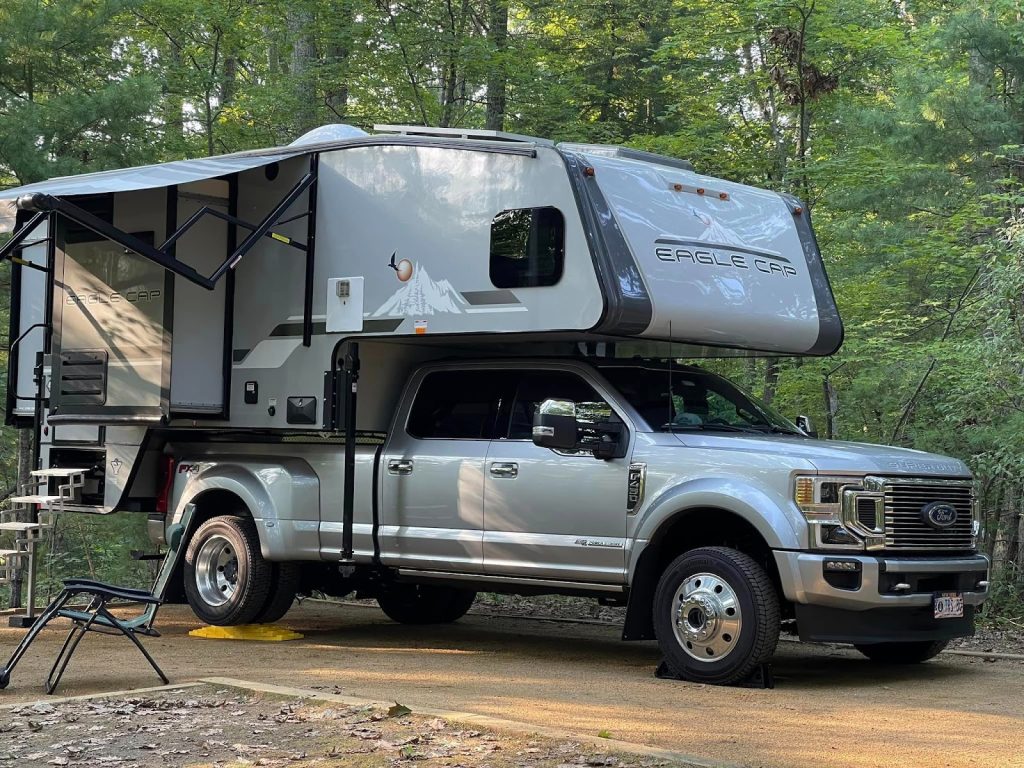
Carrying a camper shell changes how your truck rides, stops, and steers. The right bolt-on stabilizer kit for truck suspension improves control, reduces rear sag, and keeps ride quality predictable whether you’re loaded for a weekend or commuting empty. This guide explains the core suspension concepts, compares kit types, and shows why Torklift StableLoads are the number one suspension upgrade for truck camper towing. You’ll also find practical installation steps, maintenance tips, and where to buy proven, warrantied systems with confidence.
Understanding Suspension Basics for Camper-Shell Trucks
A suspension system supports vehicle weight, absorbs impacts, and maintains stability for smooth truck operation—fundamentals that become more critical with a camper shell’s added mass and higher center of gravity. Factory truck suspension is tuned for broad use; camper shells and bed-mounted gear increase payload and introduce shifting loads that amplify squat, sway, and brake dive.
Key camper shell suspension basics:
- Payload is the maximum weight your vehicle can safely carry, including the shell, passengers, and gear.
- Ride quality describes how smoothly a vehicle travels over rough terrain; it’s influenced by component tuning and load distribution.
- Truck suspension upgrades for camper shells often focus on engaging overload leaf springs earlier, adding damping control, or supplementing the spring rate to reduce sag and sway.
Types of Suspension Kits for Camper-Shell Trucks
Most camper-shell upgrades supplement the factory system rather than replace it. Understanding kit types helps you match performance, cost, and maintenance to your specific needs.
Definitions you’ll see:
- Progressive spring rate: Resistance increases as the spring compresses, improving control under heavy loads.
- Linear spring rate: Delivers consistent resistance through the compression range, useful for predictable ride characteristics.
Common kit types:
- Leaf spring upgrades: Add leaves or re-arch packs. Cost-effective and durable; less tunable for ride comfort.
- Air suspension/airbags: Add air springs to support load; highly adjustable but can require periodic leak checks and compressor maintenance.
- Torsion bars (front-heavy or 4x4 setups): Adjust ride height and support; mainly front-end load tuning.
- Helper springs/overload engagement systems: Supplement existing suspension to enhance load capacity and ride comfort without replacing core components.
Comparison at a glance:
| Kit type | How it works | Ride quality | Cost/maintenance | Compatibility |
| Leaf spring add‑a‑leaf | Insert additional leaf springs to an existing pack | Firm under load; stiffer empty | Low cost; inspect U‑bolts and leaves | Most leaf‑spring trucks |
| Airbags/air springs | Adjustable air support under load | Assists with excessive sag, can cause increased side to side sway | Moderate cost; inspect for leaks and compressor issues | Wide, with brackets |
| Torsion bar adjust/keys | Increases front torsion preload | Changes stance; limited ride gain | Low/moderate; alignment needed | Torsion‑bar trucks |
| Torklift StableLoads | Engages factory overloads earlier | Levels load while preserving stock feel | Low; very low upkeep | Leaf‑spring trucks with overloads |
Why StableLoads Are the Number One Suspension Upgrade for Truck Camper Towing
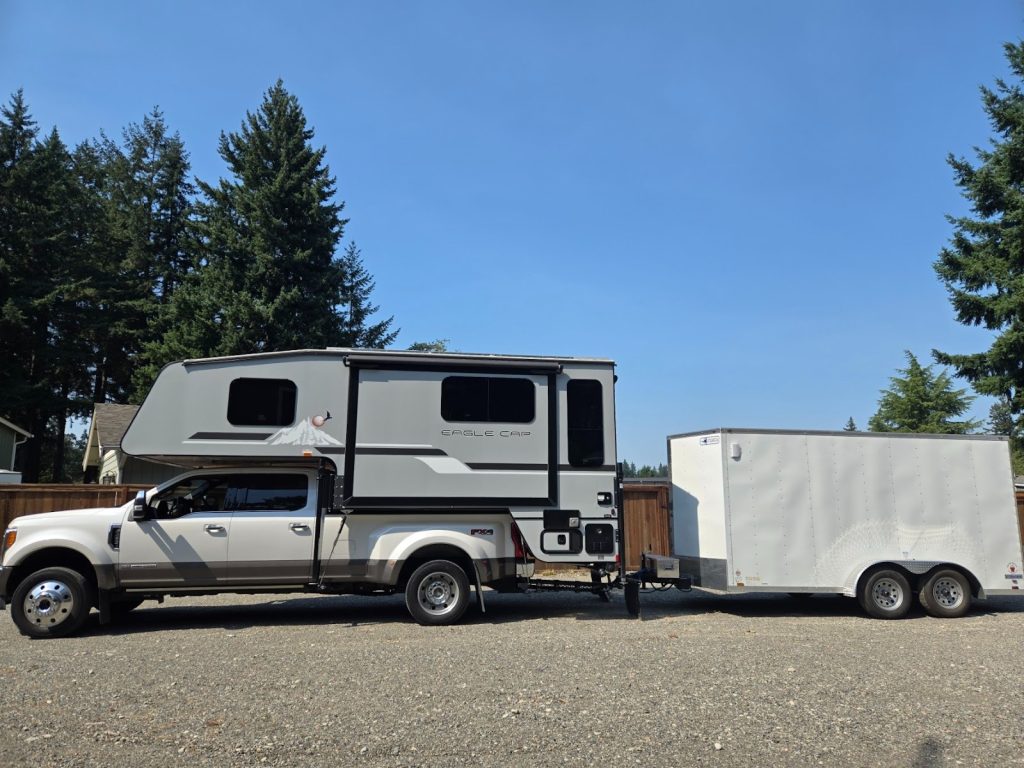
StableLoads or helper springs help level a truck when carrying heavy camper units for better handling. That leveling is only the start.
What sets Torklift StableLoads apart:
- Multi-problem solution: Not just rear sag—StableLoads address side-to-side sway, porpoising/bounce, and uneven load stresses by activating the truck’s built‑in overload springs sooner, distributing weight across the entire spring pack instead of overloading rear leaves or bushings.
- Direct‑mount engineering: Bolt-on wedges index to factory overload contact points, providing positive, mechanical engagement for superior strength without relying on air pressure or complex plumbing.
- No-drill, fast install on most applications: A true bolt-on stabilizer system with on‑truck adjustability to dial engagement up or down for loaded vs. unloaded driving.
- USA-made with a lifetime warranty: Durable materials and a patented design, backed by support from Torklift, the leader in truck camper suspension enhancements.
StableLoads in practice:
- Maintain loaded and unloaded ride quality by switching engagement on demand.
- Minimize sway and bounce during towing or with a top-heavy camper shell.
- Support heavy shells without degrading stock suspension or requiring permanent modifications.
Explore the full lineup and fitment details on Torklift’s suspension upgrades page.
How to Choose the Right Suspension Kit for Your Camper-Shell Truck
Checklist:
- Assess load: Add the camper shell’s weight plus gear and passengers to estimate payload demand.
- Identify driving conditions: Highway towing, washboard forest roads, or daily commuting dictate how much adjustability you need.
- Verify fitment: Fitment means matching a part to your truck’s exact year, make, model, and existing suspension. Confirm overload springs if considering StableLoads.
- Prioritize features: Look for bolt‑on installation, adjustability, proven durability, and lifetime warranty.
- Pick the system: For most leaf-spring trucks with camper shells, StableLoads provide the most balanced improvement with minimal tradeoffs. Airbags add fine leveling but add maintenance. Sway bars sharpen handling, especially with tall campers.
Definitions:
- Payload: Maximum safe weight your truck carries, including shell and cargo.
- Overload springs: Secondary leafs that engage under heavy loads; StableLoads engage these earlier for better support.
StableLoads are available for popular platforms from Ford, Chevy/GMC, Ram, and Toyota, featuring application‑specific hardware and user-adjustable engagement to suit varying loads.
Step-by-Step Guide to Upgrading Your Truck’s Suspension
Whether you DIY or use a shop, follow a safe, methodical process.
- Park on level ground, chock wheels
- Remove components as required (e.g., factory bump stops) and clean mounting points.
- Bolt on the new kit. StableLoads install with a no‑drill process on most applications—follow the torque specs and sequence in the instructions.
- Recheck alignment-sensitive parts if applicable and verify all torque settings after settling.
- Test drive to evaluate ride quality and handling, making adjustments as necessary
- Pro tip: Retorque all new hardware after 100–500 miles and again after your first heavy trip.
Suspension Kit Brands for Camper Trucks Comparison
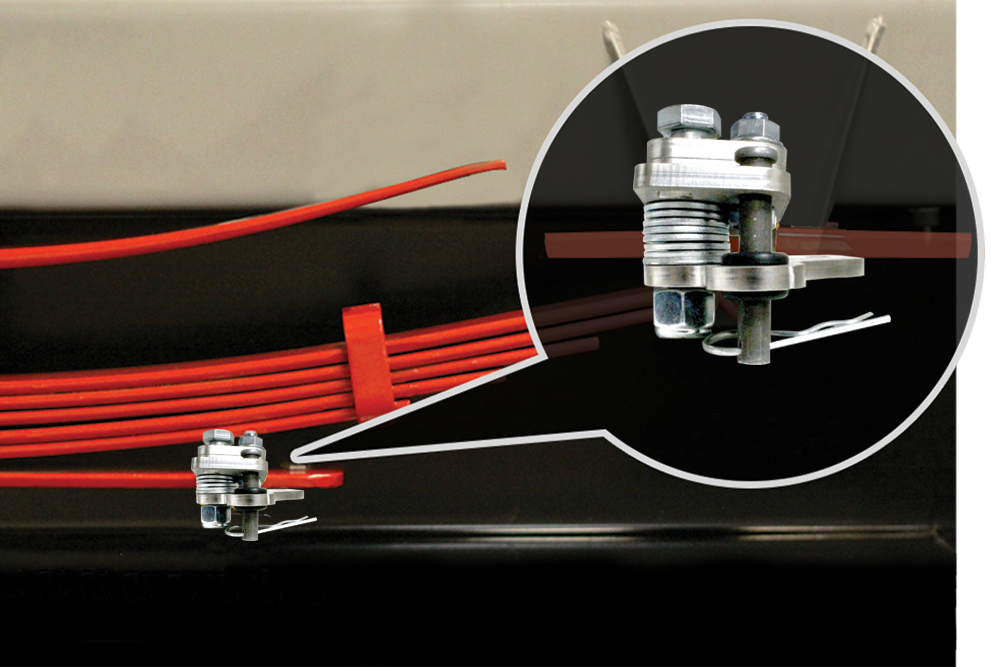
Torklift StableLoads are top suspension upgrades for truck campers. Where other suspension products address a single suspension issue, Torklift StableLoads provide an all-in-one solution.
Brand comparison:
| Brand | Upgrade type | Key differentiators | Typical install |
| Torklift StableLoads | Helper/overload engagement | Multi-issue fix (sag, sway, bounce), adjustable on‑truck, USA‑made, lifetime warranty. Eliminates the need for other suspension products. | Bolt‑on; no‑drill for most |
| Hellwig | Sway bars | Reduces body roll, sharper lane changes and crosswind control | Bolt‑on to frame/axle |
| Air spring systems (e.g., Air Lift/Firestone) | Airbags | Load leveling adjustability, increased side to side sway | Bolt‑on brackets; airlines/compressor optional |
For a single upgrade that addresses the most camper‑shell handling issues at once, StableLoads are our top recommendation. See customer outcomes in these StableLoad Challenge reviews from real truck owners.
Installing Bolt-On Stabilizer Systems on Lifted Trucks
A bolt‑on stabilizer system is an aftermarket upgrade designed to reduce sway and improve handling, installed using pre‑existing vehicle mount points with no drilling required. Lifted trucks introduce geometry changes, but StableLoads remain compatible on most leaf‑spring setups because they engage factory overload contact points rather than relying on factory ride height.
Checklist for lifted applications:
- Pre‑installation measurements: Note current rear ride height and clearance to overload pads.
- Adjust for lift height: Set StableLoad engagement to match your typical loaded stance; confirm tire-to-arch and shock travel at full droop/compression.
- Final safety checks: Verify brake line slack, bump stop clearances, and torque specs after a short shakedown drive.
Field use shows consistent improvements in leveling and sway control on popular lifted platforms when StableLoads are adjusted to engage just as load compresses the rear pack.
Ready to experience the StableLoad difference? Visit the Torklift website today to find your StableLoad part number!
Frequently Asked Questions
Do I really need a suspension upgrade for a truck with a camper shell?
Most trucks benefit from an upgrade because the shell adds weight and raises the center of gravity; helper systems like StableLoads reduce sag and improve stability for safer, more comfortable handling.
What’s the difference between lift kits, leveling kits, and load-support kits?
Lift kits add overall height, leveling kits correct front‑to‑rear rake, and load‑support kits—such as StableLoads—are designed to carry extra weight from camper shells or gear without excessive squat.
How do suspension upgrades improve stability and reduce rear sag with camper shells?
By engaging overload springs earlier or adding supplemental support, upgrades level the truck, reduce rear sag, and improve steering response and overall control.
Can I install suspension upgrades myself, or should I seek professional help?
Many bolt‑on systems, especially StableLoads, are designed for DIY installation; choose a professional if you’re combining multiple mods or prefer expert alignment and torque verification.
Will suspension upgrades affect ride comfort when my camper shell is empty versus fully loaded?
Quality, adjustable systems like StableLoads are tuned to preserve comfort unloaded and add support only when needed, maintaining a balanced ride in both scenarios.