Seattle-area fleets don’t face a single “2026 upfit mandate,” but the clock is ticking on emissions targets, electrification readiness, and rising operating costs. If you manage vehicles in Seattle, Tacoma, Bellevue, Everett, Kent, or Renton, etc., the fastest way to protect uptime and budgets is to start scoping the right upfits now—especially with an experienced partner that can move quickly and transparently. This guide outlines the services that matter most, how to choose experienced fleet upfitters Seattle can trust, and why Torklift’s engineering-first approach delivers rapid, affordable, and future-ready results.
Understanding the 2026 Upfitting Compliance Landscape in Seattle and Surrounding Areas
Fleet upfitting is the process of modifying commercial vehicles for specific vocational roles—integrating racks, shelving, telematics, auxiliary power, lighting, or safety systems so trucks and vans meet regulatory, operational, and technology needs.
While there isn’t a single 2026 rule, multiple pressures are converging on fleets across King, Pierce, and Snohomish counties: intensifying electrification goals, rising input costs, limited public charging, and component tariffs—factors that reshape both spec decisions and timelines, as detailed in Seattle Fleet Upfitting Trends for 2026 from Torklift Central. Fuel costs remain the top concern for 87% of fleet managers, making targeted, data-informed upfitting a primary lever to manage operating expenses through efficiency, weight reduction, and smart power management.
Proactive planning in 2026 means fewer surprises, faster builds, and vehicles that stay compliant and productive longer.
Key Upfitting Services for Seattle Commercial Fleets
As emissions and efficiency expectations tighten, the most impactful upfits are those that cut weight, add safety, manage power intelligently, and keep vehicles modular and serviceable.
- EV-ready power and charging provisions: high-output DC-DC, inverter/charger systems, prewire for future electrified accessories, and anti-idle controls sized to your duty cycle.
- Modular cargo systems: adjustable shelving, bulkheads, partitions, and drawer modules configured to payload and tradecraft. Modular upfitting refers to standardized, plug-and-play components that can be quickly installed or replaced to enable rapid redeployment or simplified maintenance.
- Telematics and data integration: GPS/OBD, PTO hour tracking, asset sensors, and utilization dashboards for lifecycle and safety analytics.
- Safety and visibility upgrades: 360° camera systems, LED scene/work lighting, backup alarms, reflective chevrons, ladder safety, grab handles, and non-slip surfaces.
- Service bodies and racks: ladder/cargo racks, toppers, enclosed service bodies, cranes/hoists, and liftgates matched to axle ratings and use cases.
- Custom fabrications: job-specific mounts, battery enclosures, interior cages, and tool retention that solve for Seattle’s urban stop-start routes and regional highway miles.
Modular, data-driven, EV-ready upfits are essential for Seattle fleets to stay agile and cost-effective, as highlighted in Torklift Central’s rapid turnaround guide.
How to Find Experienced Commercial Truck Upfitters in Seattle
The right partner blends craft, engineering, and predictable delivery. Screen candidates in Seattle and nearby hubs like Tukwila, Redmond, Auburn, and Kirkland using these criteria:
- Certified welders and documented quality processes
- Verifiable in-house engineering and CAD
- Manufacturer-level capability (fabrication, finishing, and assembly under one roof)
- Transparent timelines, single points of contact, and milestone reporting
- Proven experience across utilities, telecom, delivery, trades, and public safety
Vendor comparison snapshot:
| Qualification | Torklift | Typical regional shop |
| Manufacturing capacity | Full in-house facility | Limited/outsourced |
| Engineering team | Dedicated, in-house CAD/engineering | Variable or external |
| Certified welders | Yes | Mixed |
| Turnaround time | 1–2 days simple; 1–2 weeks complex | 3–8+ weeks |
| Communication | Single point of contact, published milestones | Ad hoc updates |
| Parts sourcing | Direct + in-house fabrication | Distributor-dependent |
Torklift’s rapid upfitting services Seattle fleets rely on routinely deliver 1–2 day timelines for simple upfits and 1–2 week turnarounds for complex projects, reducing downtime by up to 80% compared to typical schedules, as documented in Torklift Central’s rapid turnaround guide.
Evaluating Affordable Fleet Upfitting Options Near Seattle
The golden triangle of upfitting—price, speed, and configuration level—forces tradeoffs, so evaluate all three together, not in isolation. Industry coverage notes that lead time is a top decision driver and should be weighed alongside build complexity and cost.
Key cost drivers:
- Materials and finishes (aluminum vs. steel; powder coating longevity)
- Technology integrations (telematics, ADAS, power systems)
- Modularity and standardization across asset classes
- Project size and scheduling (batch builds vs. one-offs)
- Compliance testing, documentation, and training
Use lifecycle cost analysis to select the most affordable fleet upfitting Seattle can sustain over time: evaluate acquisition, upfitting, fuel or energy, maintenance, insurance, and disposition, as outlined in Torklift Central’s 2026 trends briefing Because Torklift operates a complete manufacturing and engineering facility, we eliminate third-party markups and compress lead times—value you’ll see on both the invoice and in reduced downtime.
The Role of Engineering Expertise and Custom Fabrication in Fleet Upfits
Specialized upfitting means purpose-built modifications for utilities, telecom, delivery, trades, and public safety—solutions that protect payload, ergonomics, and uptime while complying with evolving specs, a point reinforced in Torklift Central’s insider selection guide.
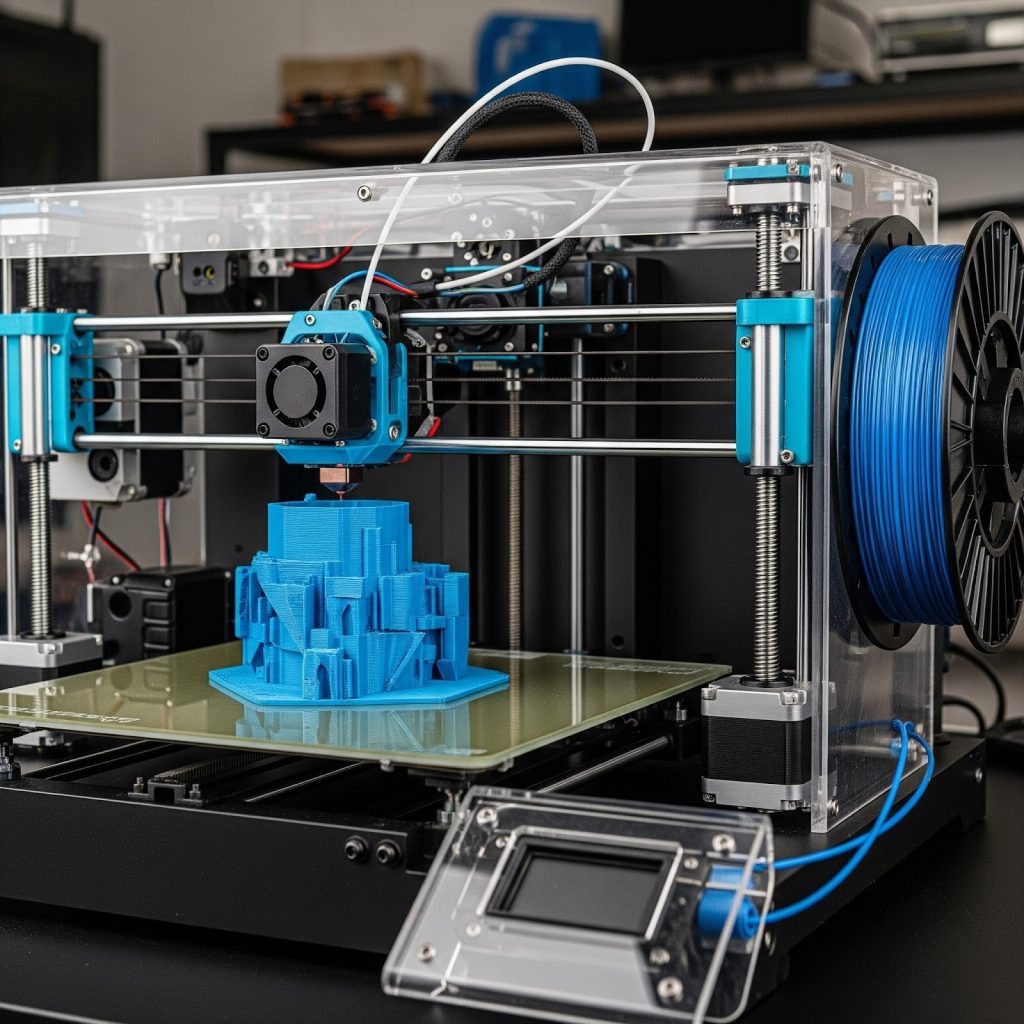
Torklift’s differentiator is depth: a complete manufacturing facility with laser tables, laser tube cutters, tube benders, robotics, 3D printing, powder coating, and an in-house engineering design team. This stack speeds prototypes, ensures fit/finish, and future-proofs vehicles.
Outcomes comparison:
| Aspect | Off-the-shelf modules | Custom-engineered solution |
| Turnaround | Fast if in stock; delays if not | Fast when fabricated in-house |
| Durability | Generic duty cycles | Sized to payload, duty, and terrain |
| Functionality | Adequate, limited adaptability | Optimized for workflow and safety |
| Total cost | Lower upfront, higher lifecycle risk | Balanced upfront, lower lifecycle cost |
Managing Upfitting Projects: Speed, Turnaround, and Communication
Lead time is the total elapsed time from approval to fleet-ready delivery—a top concern that drives scheduling, rentals, and customer SLAs. Best practice is transparent project management with scope documents, published timelines, and proactive check-ins, echoing guidance in Torklift Central’s insider selection guide.
Torklift publishes timelines and assigns a single project lead. Typical completions:
- Simple projects: 1–2 days
- Complex, multi-system builds: 1–2 weeks
Those timelines can cut downtime by up to 80% versus regional norms, according to Torklift Central’s rapid turnaround guide.
Preparing Fleets for Electrification and Sustainability Goals
An EV readiness check verifies weight distribution, upfitted accessory power needs, expected range impacts, and accessory integration—documented with real-time data so decisions are grounded, not guessed, as outlined in Torklift Central’s insider guide. The EV upfitting market is projected to reach $8.9 billion by 2028, underscoring the scale and competitive stakes discussed in Torklift Central’s 2026 trends report.
EV readiness checklist:
- Baseline payload and weight distribution with target state after upfit
- Accessory power budget and charge strategy (on/off-vehicle)
- Range modeling by route, terrain, and dwell profiles
- Thermal and weather considerations for the Puget Sound region
- Telematics integration and data logging plan
- Technician safety procedures and training
- Pilot build validation with frontline ride-alongs and driver feedback, a practice recommended by Holman’s analysis of emerging upfit trends
Why Early Upfitting Planning Reduces Fleet Downtime and Costs
Early planning—pilot builds, supplier qualification, and forecasted parts—reduces supply-chain surprises and economic exposure, a strategy emphasized in Torklift Central’s 2026 trends report. The sooner you define specs, the more options you have to standardize and modularize across assets.
Before/after impact of timing:
| Scenario | Downtime | Rental/backup cost | Lost revenue risk | Net outcome |
| Late, rushed scheduling | 10–20 days | High | Elevated | Higher TCO, service slippage |
| Early, planned scheduling | 1–5 days | Low | Minimal | Lower TCO, predictable ops |
Start scoping Q1–Q2 to secure parts and slots ahead of peak. Torklift serves Seattle, Tacoma, Bellevue, Everett, Kent, Renton, Redmond, and surrounding areas with fast, engineered solutions.
Get a free readiness checklist or timeline estimate. Simple projects complete in 1–2 days; complex builds in 1–2 weeks depending on scope. With 50 years of experience, complete in-house manufacturing and engineering, Torklift keeps your fleet moving.
Ready to upgrade your fleet?
Schedule a consultation with our experts today and discover tailored upfitting solutions that keep your vehicles mission-ready.
253-854-1832 | [email protected]
Frequently Asked Questions
What are the most important deadlines Seattle commercial fleets should prepare for by 2026?
Monitor evolving state and local emissions and operational standards and use proactive upfitting to meet zero-emission and safety requirements without disrupting service.
How can fleets assess the total cost of ownership when upfitting vehicles?
Model full lifecycle costs—acquisition, upfitting, energy or fuel, maintenance, insurance, and resale—then compare options by cost per mile and uptime impact.
What should fleet managers look for when choosing an upfitter in the Seattle area?
Prioritize certified commercial truck upfitters with in-house engineering, manufacturing capacity, transparent timelines, and strong warranty support.
How does modular upfitting benefit fleet operations and maintenance?
Standardized, plug-and-play components speed repairs, enable quick redeployment, and reduce downtime across asset classes.
Ready to move? Contact Torklift to schedule your build. Lead time for simple projects is 1–2 days; more complex projects are completed in 1–2 weeks depending on scope. Our complete manufacturing facility—laser tables, laser tube cutters, tube benders, robotics, 3D printing, powder coating, and an in-house engineering design team—keeps Seattle-area fleets on the road.