

The questions to ask before buying load support if your truck drops in the rear once the camper is on.
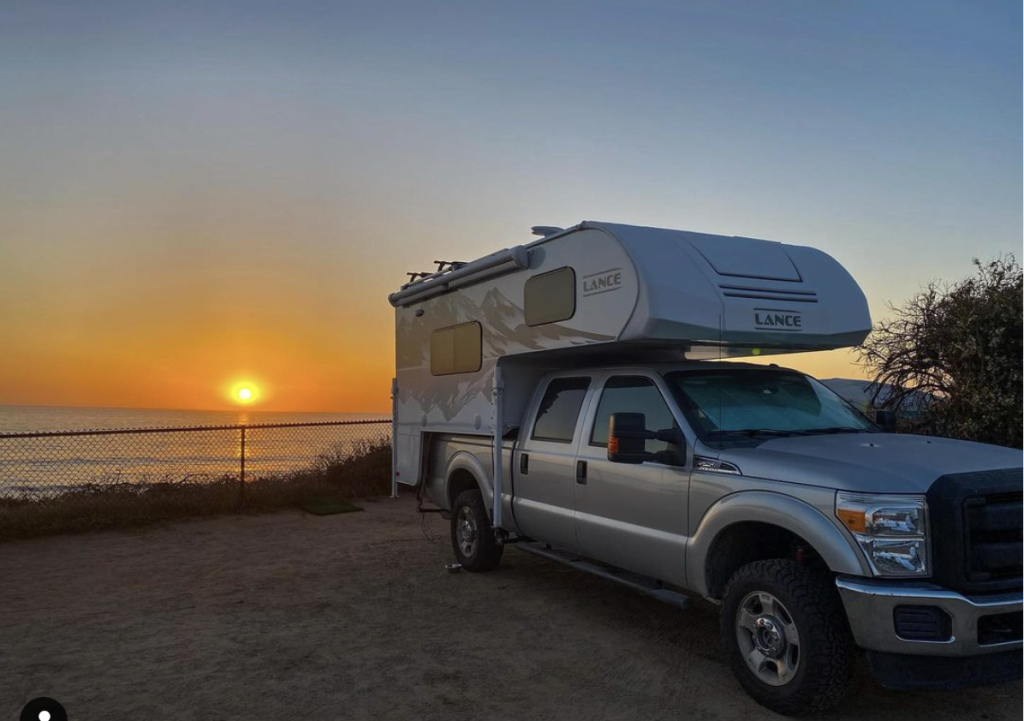
If the back of your truck drops noticeably when the camper goes on, you are likely searching for StableLoad for less rear squat. Rear squat is one of the most common reasons truck camper owners start shopping for load support, and asking the right questions before you buy helps you order the correct product the first time.
This article walks through what causes rear squat, which questions matter most, and what to verify before ordering. As an online product-selection resource and towing equipment provider, Torklift Central helps you evaluate rear squat alongside your truck's ratings, camper weight, and suspension fitment rather than guessing.
What Causes Rear Squat With a Truck Camper?
Rear squat is the rear of the truck settling under load. With a truck camper, most of the weight sits over and behind the rear axle, so the back end drops as the suspension compresses. Many trucks are built to ride comfortably empty, which means the rear can settle a fair amount before the factory overload springs engage.
That settling is why so many owners describe the truck as squatting once the camper is on. In many cases the suspension is doing exactly what it was designed to do, it is simply waiting to engage. StableLoad is designed to help the factory overload springs engage sooner, which can help the truck support that load earlier.
Can StableLoad Help Reduce Rear Squat?
StableLoad will help when rear squat is tied to camper load and your truck has compatible factory overload springs. By helping those overload springs engage sooner, it can help the truck support the load earlier in its range of motion. That is the benefit shoppers are usually looking for.
The Product Questions to Ask Before You Buy
Use Fit Finder to confirm fitment before ordering.
Rear Squat Product Question Table
| Question to ask | Why it matters | What to gather | What to verify before ordering |
|---|---|---|---|
| Do I have factory overload springs? | StableLoad is designed to work with them | Photos of the overload spring area | Confirm on the fitment chart |
| What is my truck configuration? | StableLoads are vehicle specific | Year, make, model, trim, bed, cab, drivetrain | Correct part number for specific vehicle configuration |
| How heavy is my camper loaded? | Keeps you within ratings | Camper spec sheet and scale weights | Compare to payload and axle ratings |
| Any aftermarket suspension parts? | Can change which product applies | Notes on airbags, add-a-leaf, spring swaps | Disclose to retail support |
| Am I within factory ratings? | The final limit for your setup | Door jamb sticker and owner's manual | StableLoad works within, never beyond |
How Torklift Central Can Help You Shop
Torklift Central helps you turn rear squat into a clear shopping decision. When your rear squat is tied to camper load and your truck has compatible factory overload springs, the StableLoad is the best suspension solution, because it is designed to help those springs engage sooner within your truck's ratings.
If the exact product, fitment, or compatibility is unclear, do not guess. Gather your truck and camper details, take clear suspension photos, and contact a Torklift Central retail specialist before you order.
Key Takeaways
- Rear squat is the rear of the truck settling under camper load, often before the factory overload springs engage.
- StableLoad may help reduce squat by engaging factory overload springs.
- StableLoad does not fix every ride complaint and does not increase payload, GVWR, GAWR, axle, or tire ratings.
- Evaluate rear squat alongside camper weight, gear, suspension configuration, and your truck's ratings.
Frequently Asked Questions
Can StableLoad help reduce rear squat?
StableLoad helps mitigate rear squat that is tied to camper load and your truck has compatible factory overload springs, by engaging those springs sooner so the truck supports the load earlier.
What causes rear squat with a truck camper?
Rear squat is the rear suspension settling under the camper's weight, which sits over and behind the rear axle. Many trucks settle a fair amount before their factory overload springs engage, which is the squat owners notice.
What should I check before buying load support?
Check whether your truck has factory overload springs and how they are configured, your truck year, make, model, trim, bed, cab, and drivetrain, any aftermarket suspension parts, and your loaded camper and gear weight against your ratings.
Does StableLoad increase payload?
No. StableLoad does not increase payload, GVWR, GAWR, tow rating, axle ratings, or tire ratings. It helps your truck support a load already within its ratings more comfortably, and it does not make an overloaded truck safe.
What truck and camper details matter?
Your truck configuration and overload spring setup, any aftermarket suspension parts, and your loaded camper, gear, and water weight all matter.
How can Torklift Central help me choose?
Torklift Central helps you compare StableLoad options for your truck, confirm the correct configuration on the fitment chart, and keep your choice within your ratings.
Important Notices and Disclaimers
Ratings notice: StableLoad products are designed to help your truck support a load when they are properly matched to your vehicle, but they do not increase your truck's payload, GVWR, GAWR, tow rating, axle ratings, or tire ratings. Always stay within every factory rating. The lowest-rated component in your setup determines your usable limit, and a load-support product does not make an overloaded truck safe.
Follow official guidance: Always follow your truck owner's manual, camper manufacturer guidance, trailer manufacturer guidance, and the current Torklift product instructions and fitment information. Verify truck fitment before ordering.
Shop StableLoad for Rear Squat at Torklift Central
Tired of the back end dropping when the camper goes on? Shop StableLoad products at Torklift Central and confirm fitment and ratings before you order.
Customers near Kent, Washington, may also ask whether optional premier installation is available for their truck and product. Confirm installation availability, compatibility, product availability, pricing, and scheduling with the team before you plan a visit.