

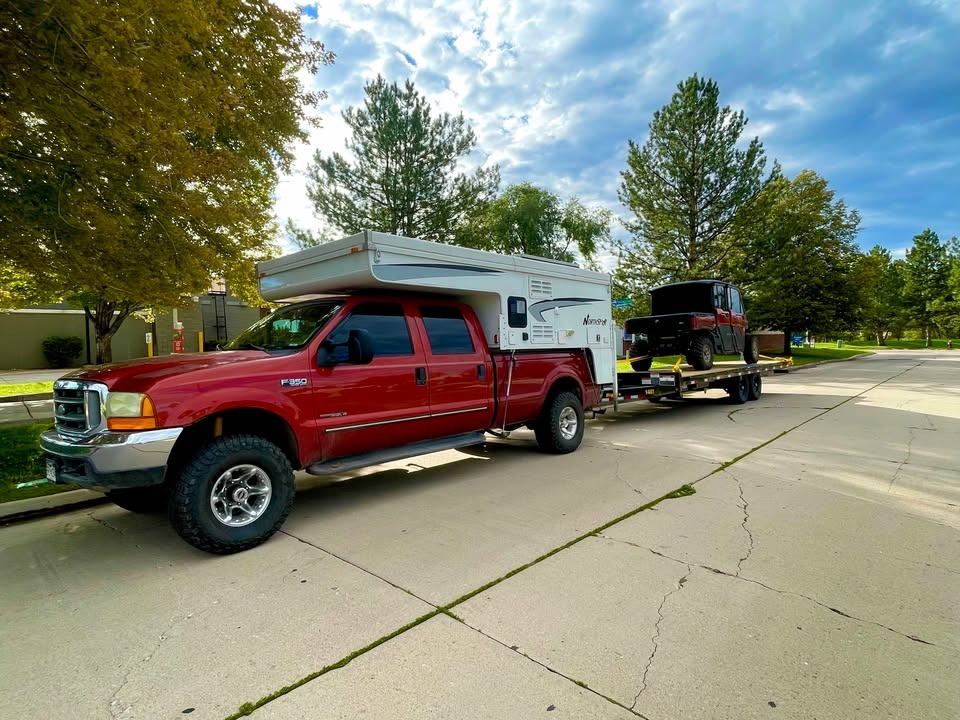
When you’re towing a trailer or hauling a slide-in camper, stability isn’t optional—it’s the difference between a calm drive and white-knuckle steering. Camper sway, rear sag, and porpoising can show up even on well-maintained trucks, especially with heavy loads or crosswinds. Torklift StableLoads are leading upgrades for towing stability because they work with your factory suspension to control movement before it starts. By activating your overload springs sooner, StableLoads reduce sway and bounce, keep your rig level, and preserve steering feel—delivering measurable improvements many drivers can feel immediately. In third-party and owner testing, StableLoads have demonstrated up to 60% better control of sway and body roll compared to stock alone, with straightforward bolt-on installation for most trucks. If towing confidence and ride predictability are your goals, StableLoads are a proven, fast path to safer, more enjoyable miles.
Understanding Camper Sway and Its Causes
Camper sway occurs when a trailer or truck camper rocks or moves side-to-side, often triggered by wind, passing vehicles, or uneven roads. It’s a symptom of insufficient tow vehicle stability under load and is common when suspension support isn’t engaged early enough.
Top causes of trailer sway and instability:
- Inadequate suspension support: Overload springs and dampers aren’t activated soon enough to control movement when the load shifts.
- High center of gravity and weight distribution: Tall campers and rear-heavy cargo magnify leverage on the rear suspension.
- Road and wind inputs: Ruts, potholes, and gusts can initiate oscillations that build without proper suspension upgrades for towing.
For a deeper primer on reducing sway at the source, see Torklift’s overview of suspension upgrades that reduce sway.
How Torklift StableLoads Improve Towing Stability
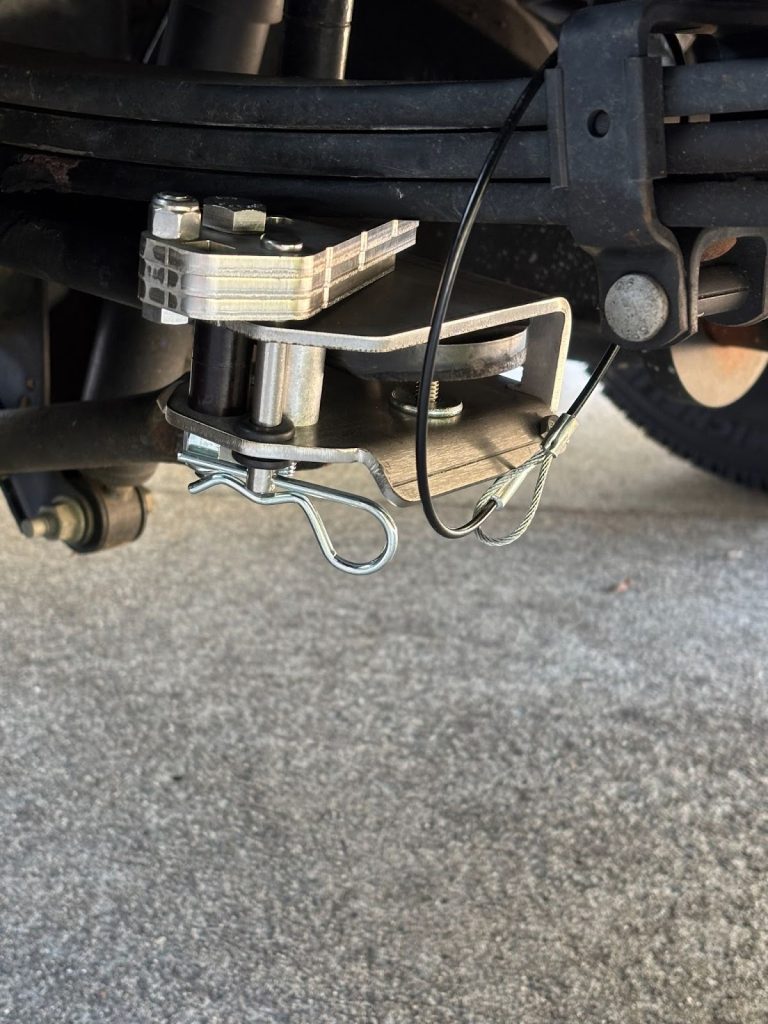
StableLoads are purpose-built, bolt-on suspension stabilizers that activate factory overload springs earlier to curb sway, sag, and bounce, improving control while preserving ride quality when unloaded. By closing the gap to your overloads, the truck’s most robust leaf springs start helping sooner—exactly when you need them.
Independent field evaluations and owner tests report substantial gains. Truck Camper Adventure called StableLoads “the single most effective suspension mod” they tested, noting up to 60% improvements in measured sway, porpoising, and body roll compared to running without them. In Torklift’s StableLoad Challenge and verified customer feedback, drivers consistently report calmer, more predictable handling under load.
Example results reported in testing and owner use:
- Lateral sway: up to 55–60% reduction
- Porpoising (fore-aft bounce): up to 50–60% reduction
- Body roll in turns: up to 50–60% reduction
- Rear sag under load: noticeable leveling and improved headlight aim
Key Benefits of Torklift StableLoads
- Meaningful stability gains: Many owners report a 55–65% reduction in sway with a quieter, more composed ride when hauling campers or towing heavy trailers.
- Quick-disconnect convenience: Engage when loaded; disengage for everyday driving, so you keep near-factory ride comfort without a permanent stiffness penalty.
- Fast, friendly install: Many applications are no-drill and can be completed with basic tools in under two hours.
- Built to last: Heavy-duty construction backed by Torklift’s lifetime warranty for long-term confidence.
- Safer steering and braking feel: Earlier overload activation supports chassis control so inputs stay precise even on uneven roads.
- Ideal for slide-in campers and tongue-heavy trailers: Extra stability counters top-heavy leverage and reduces driver fatigue on long hauls.
How Torklift StableLoads Work with Your Suspension
Overload springs are extra leaf springs found on many heavy-duty trucks that assist with load support and stability, activating only under heavier payloads. StableLoads bring those overloads into play sooner.
- Lower StableLoads fit between the leaf spring pack and the lower overload, using adjustable wedges to close the gap.
- Upper StableLoads replace the factory upper bump-stop pads to create a more immediate contact surface.
The advantage is straightforward: by pre-activating overload springs, StableLoads provide support right when weight transfers to the rear axle. When disengaged, you retain a nearly factory ride.
Comparison snapshot:
- Standard suspension: Overloads engage late, allowing more sag, sway, and bounce before support kicks in; empty ride remains stock.
- With StableLoads engaged: Overloads engage early, greatly reducing sag and side-to-side motion; disengage for daily driving comfort.
Step-by-Step Installation Guide for StableLoads
Most StableLoads installs take under two hours with basic hand tools. Many trucks require no drilling; when drilling is needed, a specialty drill tool speeds the process and keeps everything aligned.
Lower kit (wedge-style) overview:
- Chock wheels and safely lift/support the rear axle as needed for access.
- Install the StableLoad wedge blocks in the designated leaf spring gap.
- Set initial engagement position; torque hardware to spec.
- Test engagement/disengagement function and road-test under load.
Upper kit (bump-stop replacement) overview:
- Support the frame, unload the suspension as directed, and remove factory bump stops.
- Install the StableLoad upper assemblies in the existing locations.
- Adjust engagement height per instructions; torque to spec.
- Verify clearance at full droop/compression; road-test with cargo.
Tips for Adjusting and Using StableLoads Effectively
- Engagement in seconds: The quick-disconnect wedge rotates roughly 90 degrees to engage or disengage and is secured with a simple pin-and-clip design for repeatable settings.
- When to engage: Turn on StableLoads any time you’re towing or carrying substantial payloads; disengage when empty to keep daily ride comfort.
- If sway persists, check: Proper engagement position, hardware torque, tire pressures, weight distribution, and cargo placement. Re-evaluate tongue weight or camper loading, then re-test on a familiar route.
For broader handling strategies under tow, review our balancing act guide to improve handling while towing.
Frequently Asked Questions About StableLoads and Camper Sway
Can I install Torklift StableLoads myself?
Yes, StableLoads are designed for easy installation with basic hand tools. Many kits require no drilling and can be completed by most DIYers in under two hours.
Will StableLoads affect my everyday ride comfort?
No, StableLoads can be disengaged when not towing or hauling, so your truck maintains near-factory ride comfort when unloaded.
How do StableLoads reduce camper sway and rear sag?
StableLoads pre-activate your truck’s overload springs so support arrives earlier, reducing side-to-side sway and keeping the vehicle level under heavy loads.
Are StableLoads compatible with helper springs or airbags?
Yes, StableLoads work alongside air bags or helper springs, making it easy to tailor support for your specific towing or hauling needs.
What maintenance is required to keep StableLoads performing well?
Maintenance is minimal—periodically check hardware for tightness, confirm smooth engagement, and lightly lubricate moving components as needed.
Ready to stop camper sway and tow with confidence? Find your StableLoads kit and discover more suspension tips in our handling guide and towing brake control article. Install today and enjoy a calmer, safer drive on your next trip.