


The Definitive Guide to Torklift StableLoads for Squat‑Free Trailer Towing
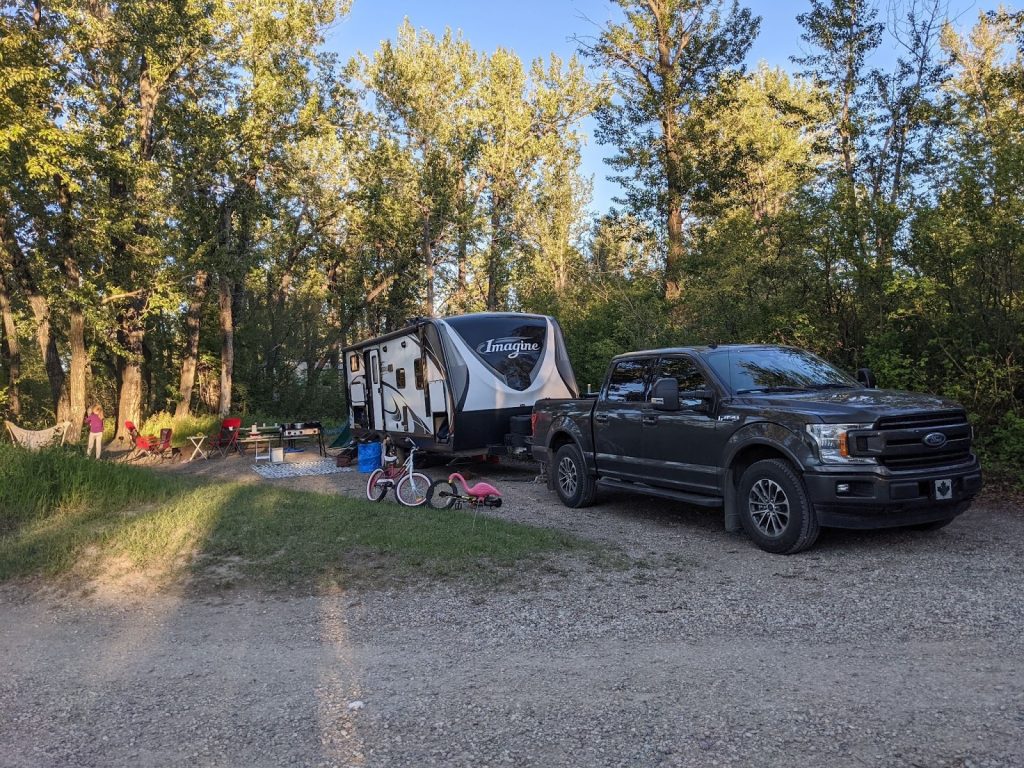
Towing should feel predictable, stable, and safe—even with a heavy trailer or camper on the hitch. If your truck squats under load or feels loose in crosswinds, you’re not alone. The most effective upgrade to reduce squat while towing is to engage your factory overload springs earlier so the suspension carries weight the way the OEM intended. That’s exactly what Torklift StableLoads do: they’re a simple, bolt-on solution to curb rear suspension sag, cut trailer sway, and improve steering feel without sacrificing daily ride comfort. In this guide, you’ll learn how StableLoads work, how to choose the right kit, and how to install them for squat-free towing confidence.
Understanding Truck Squat and Its Risks While Towing
Truck squat (also called trailer squat) is the rear suspension lowering under load, causing the back of the vehicle to sag when weight from a trailer tongue or payload presses down on the axle. Left unchecked, this sagging suspension shifts weight off the front axle and degrades overall control.
Key towing safety risks from rear-end squat:
- Reduced headlight aim and rear-biased weight transfer that impair visibility and braking
- Increased trailer sway due to a lightened front axle and imbalanced chassis
- Numb steering feel and added stress on steering and suspension components
- Higher likelihood of bottoming out on bumps and driveways
These issues are common on half-ton, three-quarter-ton, and one-ton trucks—especially when towing heavier trailers or hauling slide-in campers.
How Torklift StableLoads Work to Prevent Squat and Sway
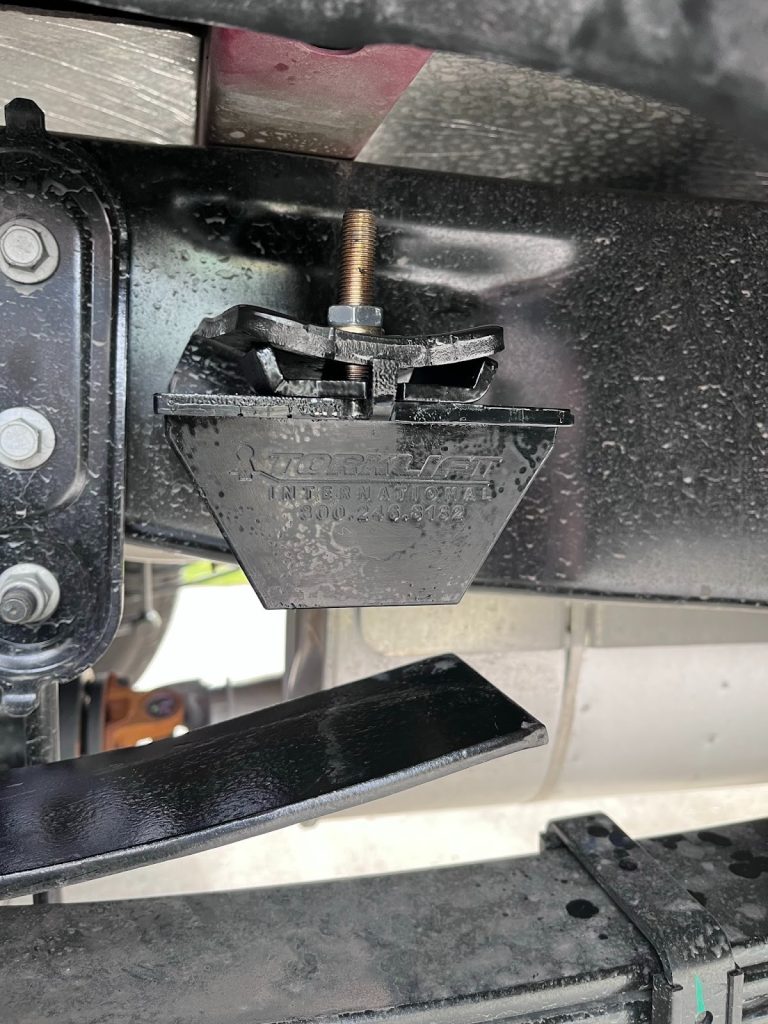
Torklift StableLoads are bolt-on stabilizers that attach to your factory overload springs and “turn them on” sooner under load. By engaging the overloads earlier in the suspension travel, the truck leverages its strongest spring zone right away, which reduces rear sag and firms up side-to-side control for better towing confidence and safety. The result is a more level stance, less porpoising, and more composed handling when braking, turning, or negotiating crosswinds and passing maneuvers. Learn more about how early overload engagement works in Torklift’s overview of bolt-on StableLoads for campers and tow rigs (Torklift Central guide).
The Definitive Torklift StableLoads Suspension Guide for Truck Campers
Factory Overload Springs and Early Engagement
Factory overload springs are additional leaf spring elements engineered to support extra weight. They sit above or below the main leaf pack and activate under heavier loads to help maintain ride height and stability.
StableLoads close the gap so those overloads engage earlier in the suspension stroke. That earlier engagement increases support, reduces rear-end squat, and improves composure under load. Note: StableLoads require that your truck retains its original overload springs to function properly.
Simple flow: Factory leaf spring → Loaded vehicle → StableLoad engagement → Enhanced support under load
Upper StableLoad vs Lower StableLoad: Key Differences
Use this quick comparison to choose the best StableLoad for your truck and towing profile.
| Feature | Upper StableLoad | Lower StableLoad (incl. Quick Disconnect) |
| Engagement point | Upper overload engagement | Lower overload leaf spring engagement |
| Typical install time | About 30 minutes or less | Up to ~2 hours depending on drilling |
| Drilling required | No-drill on most applications | Some applications require drilling four 7/16" holes |
| On/off capability | Set-and-forget once installed | Quick Disconnect version allows rapid on/off with a ratchet |
| Ideal use | Fast, no-drill install; immediately pre-engage uppers | Maximum adjustability; easy on/off for mixed daily/towing use |
| Fitment notes | Depends on trucks with upper overload contact pads | Fits trucks with lower overload leafs; confirm geometry before purchase |
Benefits of Using Torklift StableLoads for Trailer Towing
StableLoads deliver measurable improvements across the board—less squat, less sway, and more confident control—while preserving your truck’s factory ride when you’re not towing.
- Reduced rear sag for a level stance and safer braking
- Trailer sway reduction and better tracking stability
- Improved steering feel and cornering control under load
- Retains near-stock ride when disengaged
- Increased towing confidence with a simple, bolt-on solution
“Bolt-on, reversible, and built to work with your truck’s factory springs, StableLoads turn on support when you need it, and turn it off when you don’t.”
Reduced Rear-End Sag and Trailer Sway
Sag is the visible drop at the rear of the truck under load; sway is the side-to-side yaw you feel from wind, road crowns, or trailer dynamics. StableLoads significantly reduce rear-end sag and cut down on bottom-outs when hauling heavier payloads, thanks to earlier overload engagement (Torklift Central camper guide). Customers report 55–65% less side-to-side sway after installation, indicating a major, real-world improvement in composure with trailers and campers.
The Definitive Torklift StableLoads Guide to Bolt-On Stabilizers
Improved Control in Crosswinds and Passing Maneuvers
By stabilizing the springs earlier in the suspension travel, StableLoads help the rig hold its line when hit by gusts, bow waves from passing trucks, or uneven pavement. Drivers consistently describe better crosswind stability and safer towing manners under these real-world conditions.
Preserved Ride Quality Under Load
A common concern is that suspension upgrades may make unloaded driving harsh. StableLoads are designed to be engaged or disengaged so your truck retains its factory-like ride when not towing, eliminating permanent stiffness and keeping daily comfort intact.
Poor Ride Quality When Towing: How to Keep Comfort Without Losing Control
Vehicle Compatibility and Fitment for StableLoads
StableLoads fit most half-ton through one-ton pickups, including SRW/DRW, 2WD/4WD configurations, and select vans or SUVs that are equipped with factory overload leaf springs. Before ordering, confirm that your vehicle has overload springs; StableLoads rely on those OEM components for proper function.
Identifying Factory Overload Springs on Your Truck
Factory overload springs are thicker, separate leaf sections mounted above or below the main rear leaf pack.
- Park on level ground and chock the wheels.
- Look above the main leaf pack for a shorter “upper” overload leaf near a bump stop, or below the pack for a distinct “lower” overload leaf.
- If no separate overload leaf is present, StableLoads will not be compatible.
Supported Truck Models and Configurations
StableLoads are available for popular Ford, Chevrolet/GMC, Ram, and Toyota trucks across half-ton, three-quarter-ton, and one-ton classes. Most SRW and DRW, 2WD and 4WD configurations are supported. Always verify part number and fitment with the official chart before purchase.
Practical Considerations for Safe and Effective Use
Get the most from your StableLoads with a simple towing safety checklist and basic suspension maintenance.
- Engage/disengage as needed for load conditions.
- Inspect hardware after rough trips, and at oil-change intervals.
- Re-check torque and alignment after suspension work or tire changes.
- Watch for unusual noises or bottom-outs; investigate promptly.
Pairing StableLoads with Other Suspension and Sway Control Upgrades
StableLoads tame squatting and sway by activating overloads early; premium shocks help control rebound/bounce, while sway bars address body roll. Combining these systems can yield the most balanced result for heavy, high-center-of-gravity loads and challenging roads. Match upgrades to your actual hauling weight and driving conditions.
Maintenance and Checking Hardware Over Time
- Inspect for loose fasteners, wear, or interference after the first few trips and periodically thereafter.
- Operate any on/off mechanisms periodically to prevent sticking.
- Clean components as needed; lightly lubricate moving interfaces where specified by the instructions.
Safety Tips for Installation and Operation
- Always support the vehicle with jack stands on level ground and wear eye protection.
- Follow torque specs; do not over-torque hardware.
- Never work under an unsupported vehicle; perform regular checks when towing under load.
Frequently Asked Questions
How do StableLoads differ from other suspension upgrades?
StableLoads engage your truck’s overload springs earlier to prevent rear-end squat and sway—directly addressing the root cause rather than masking symptoms.
Can StableLoads be disengaged for daily driving without a trailer?
Yes. StableLoads can be switched off with a simple ratchet on select kits, so your truck rides like stock when not towing or hauling.
Will StableLoads increase my truck’s towing capacity?
No. StableLoads improve stability and control under load, but they do not change the manufacturer’s rated towing capacity.
How long does a typical installation take?
Most installs take under two hours using basic tools; some Upper StableLoad applications can be installed in about 30 minutes.
Are StableLoads compatible with aftermarket shocks and air bags?
Yes. StableLoads are compatible with most shocks and air systems and can complement them by stopping squat at the source.
Conclusion and Next Steps to Achieve Squat-Free Towing with Torklift StableLoads
StableLoads deliver a rapid, bolt-on path to reduce squat and sway, sharpen steering feel, and keep ride quality intact when unloaded—backed by a lifetime warranty and proudly made in the USA. Ready to pick your kit with confidence? Explore options, fitment, and support on the Torklift suspension products page, or contact our team for personalized guidance. Tow level, track straight, and protect your truck for the long haul.