
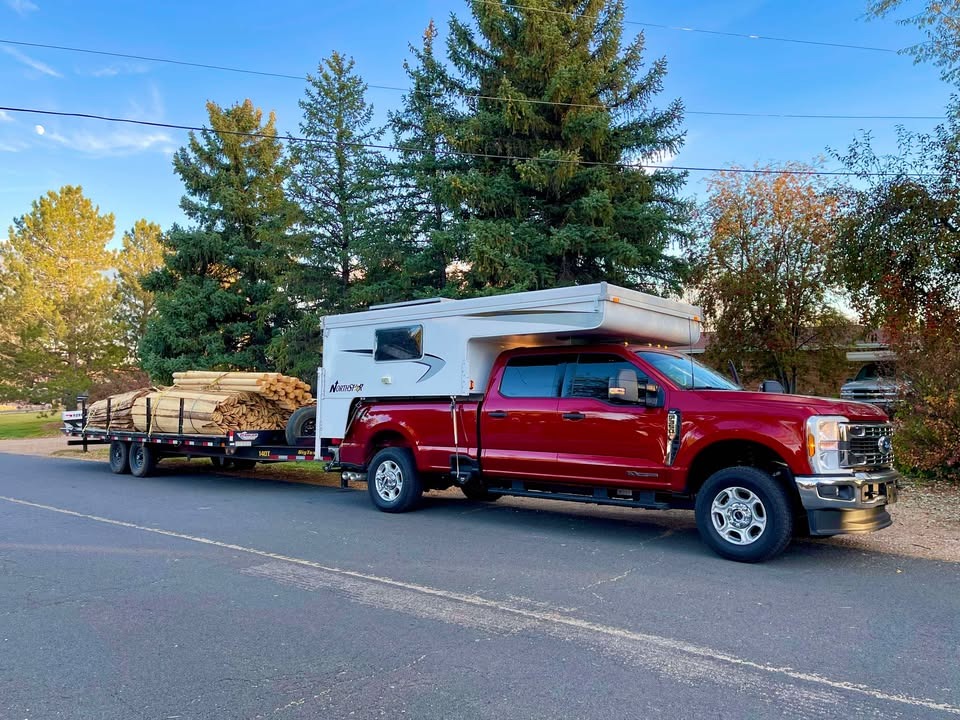
Sway and sag aren’t just annoyances—they’re signals your rear suspension needs support. Whether you tow a travel trailer, haul a slide-in camper, or stack the bed with gear, the right stabilizer kit for rear suspension support restores control, ride height, and confidence. In this guide, we explain what causes instability, the main stabilizer types, how to find the right stabilizer for rear suspension fitment, and the install and setup steps that make the biggest difference. You’ll also learn how Torklift’s StableLoad system delivers proven sway and sag solutions through smart, bolt-on rear suspension upgrades with lifelong durability.
Understanding Sway and Sag in Rear Suspension
Sway is the side-to-side motion of a trailer or RV, often triggered by wind, passing vehicles, or uneven load distribution. Sag is the downward drop of the tow vehicle’s rear end caused by heavy tongue weight or cargo compressing the springs.
Both issues erode stability and safety. Excess sway forces constant steering corrections and can lead to a loss of control. Sag reduces front axle traction, degrades braking and handling, and accelerates tire and suspension wear. In fact, many users report the rear sway bar can account for about 65% of overall sway control—often enough to noticeably improve ride quality on its own, according to a field-tested overview of sway solutions.
Common causes and effects:
- Heavy tongue weight or bed cargo compressing rear springs
- Uneven loading that shifts weight off the front axle
- Crosswinds, passing trucks, and rough roads that amplify trailer yaw
- Observable tilt at the rear, light steering feel, and white-knuckle corrections at highway speeds
Types of Stabilizer Kits for Rear Suspension Support
Understanding stabilizer types helps you match the solution to your truck, trailer, and terrain.
- Anti-sway bars: Chassis-mounted bars that resist body roll and trailer-induced sway by transferring force side to side across the axle.
- Weight distribution hitches (WDH): Hitch systems that redistribute tongue weight to both axles of the tow vehicle and the trailer for level, stable towing.
- Air or leaf spring upgrades: Systems that add air springs or enhance leaf packs to increase load support and maintain ride height.
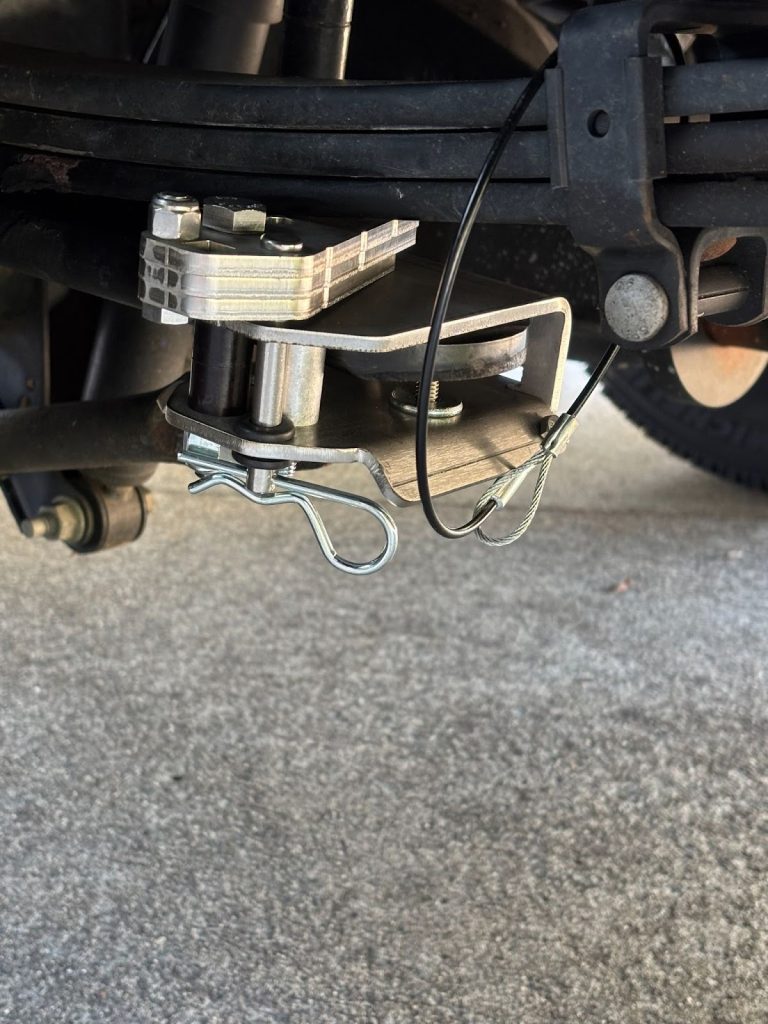
- Frame-mounted solutions like Torklift StableLoad: Bolt-on kits that preload factory leaf spring packs to increase spring rate only when needed.
Modern anti-sway hitch designs use geometry and controlled articulation to prevent sway from building in the first place, rather than relying solely on friction pads.
Comparison at a glance:
| Type | What it does in one line | Key benefits | Typical use case | Estimated effectiveness |
| Anti-sway bar (rear/front) | Resists roll to curb side-to-side sway | Flatter cornering, calmer steering | Tow vehicles with noticeable body roll | High (rear often most impactful) |
| Weight distribution hitch (WDH) | Redistributes tongue weight across axles | Reduces sag, improves steering/braking | Bumper-pull trailers with significant tongue load | High when set correctly |
| Air or leaf spring upgrades | Adds load support to maintain ride height | Levels stance, reduces bottoming out suspension | Heavy cargo, bed campers, variable loads | Medium–High (support-focused) |
| Torklift StableLoad (frame-mounted) | Preloads leaf springs only when needed | Controls sag/sway, maintains ride quality | Trucks with leaf springs towing/hauling | High (rear-focused support) |
Fitment and effectiveness depend on your tow vehicle, trailer size, and usage (highway vs. off-road, steady vs. variable loads).
How Torklift StableLoads Enhance Rear Suspension Performance
StableLoad kits engage your truck’s factory overload leaf springs sooner, effectively increasing spring rate only when load demands it. The result is a level stance under load, reduced porpoising, and calmer steering—without stiffening the ride when you’re unloaded. Many drivers find rear-focused upgrades deliver outsized gains; for example, rear sway control alone is often cited as contributing roughly 65% of overall sway reduction.
Why StableLoad stands out:
- Quick engagement/disengagement to adapt instantly to changing loads
- No permanent modification to factory components
- Broad compatibility across major truck brands with leaf springs
- Patented design proven by years of real-world towing and hauling
- Lifetime warranty and 90 day money back guarantee
- USA-made construction
Explore real-world StableLoad reviews from the StableLoad Challenge and see the full lineup on the Torklift suspension product page.
Installation Steps for Rear Suspension Stabilizer Kits
A straightforward, methodical install sets you up for success.
- Clear the area: Remove any brackets or accessories that interfere with mounting.
- Pre-fit components: Position frame- or spring-mounted parts loosely; align all holes and brackets.
- Torque to spec: Once alignment is verified, tighten hardware to the manufacturer’s torque specifications.
- Engage features: If using StableLoads, follow Torklift’s quick-engagement procedure and confirm even contact on both sides.
Frequently Asked Questions
What causes sway and sag, and how do stabilizer kits address these issues?
Sway stems from wind, passing vehicles, or uneven loading; sag comes from heavy tongue weight compressing rear springs. Stabilizer kits reduce sway and restore ride height, improving control and comfort.
How do I know if my vehicle needs a rear suspension stabilizer upgrade?
If the rear squats under load or you’re fighting side-to-side motion at speed, a rear stabilizer upgrade can rebalance the vehicle and significantly improve towing safety.
Can I install a stabilizer kit myself, and what tools are required?
Kits are DIY-friendly with hand tools and a torque wrench; seek professional help for complex setups or if you’re not comfortable working under a vehicle.
How long do stabilizer kits typically last, and what maintenance do they need?
Quality kits can last for years; periodic inspections and torque checks keep hardware secure and performance consistent. StableLoads last a lifetime.
Will stabilizer kits improve ride comfort as well as towing stability?
Yes. By controlling body roll, minimizing sway, and maintaining proper suspension geometry, stabilizers improve both stability and ride quality.
Ready to stop sway and sag? Review your vehicle details, confirm fitment, and upgrade with Torklift StableLoad today. Start with StableLoad reviews from real users, explore your options on our suspension product page, and reach out to our team for expert, personalized guidance.