Introduction to Fleet Upfitting in Seattle and Surrounding Areas
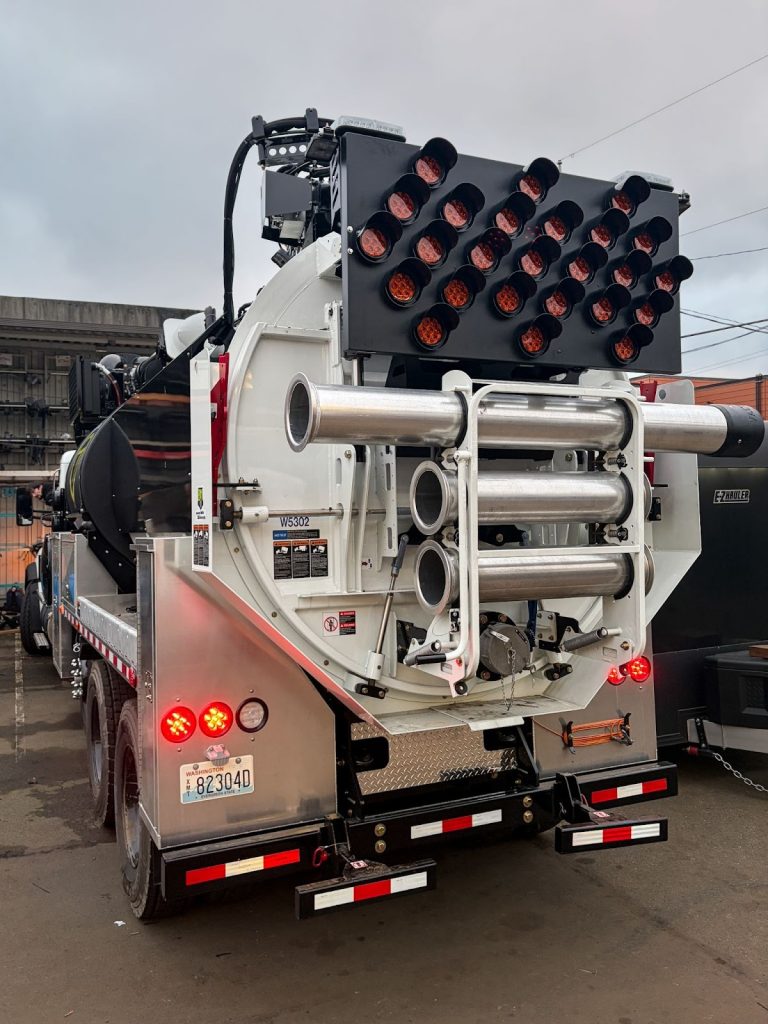
Fleet upfitting is the process of customizing commercial vehicles—vans, pickups, and trucks—with equipment, accessories, and engineered systems to match a business’s mission and safety requirements. If you’re searching for fleet vehicle upfitting shops in Seattle and nearby cities, look for partners that understand our marine air, frequent rain, and steep terrain. Seattle fleet upfitting and broader commercial vehicle customization require corrosion-resistant materials, OEM-aware wiring practices, and modular designs that can evolve with your operation. Torklift brings five decades of service to the Pacific Northwest, with a complete manufacturing facility—laser tables, laser tube cutters, tube benders, robotics, 3D printing, powder coating—and an in-house engineering design team. That combination means you get a fast, safe fleet vehicle upgrade that’s built for long service life in the Puget Sound climate.
Why Choose Torklift for Your Fleet Upfitting Needs
Torklift is the go-to fleet upfitting shop Seattle fleets trust when safety, speed, and total cost of ownership matter. With almost 50 years of Northwest experience, a safety-first culture, and branded lifetime warranties, we deliver affordable upfitting solutions without compromising quality. Our vertically integrated operation—laser cutting, tube bending, robotics, 3D printing, and in-house powder coating—compresses timelines and enables rapid change-order response. Simple upfits are typically completed in 1–2 business days; complex programs are commonly finished within 1–2 weeks, depending on scope. Dedicated engineers produce custom CAD, and every program is supported by a personal project liaison from intake through post-install operator training. When fleet managers search for fleet vehicle upgrades near me, they need a turnkey partner that maintains OEM standards and delivers on schedule. That’s Torklift.
Key Considerations for Seattle-Area Fleet Upfits
Seattle’s environment amplifies the stakes. To maximize lifespan and ROI, prioritize:
- Modularity for fast reconfiguration and low downtime
- Corrosion protection and weatherproofing that stand up to marine air and rain
- Maintenance access and standardized components to simplify service
- Future EV compatibility across mixed Gas/EV fleets
- In-house engineering and manufacturing for quality control and speed
OEM-aware engineering means designing and installing systems in ways that maintain the integrity of factory wiring and electronics, using vehicle-specific data and approved connection methods.
Corrosion Resistance and Weatherproofing Best Practices
Persistent moisture in Western Washington accelerates corrosion and electrical degradation. Powder-coated finishes and galvanized components are strongly recommended to mitigate rust from marine air and rain around the Puget Sound, along with sealed harnesses and grommeted pass-throughs to keep water out of cavities and connectors. Powder coating is an applied, baked-on finish that resists rust and chipping better than conventional paint and is a smart default for exterior-exposed and underbody components. Following Puget Sound–specific practices—sealed wiring, proper drainage, and marine-grade connectors—extends service life and reduces downtime, as emphasized in Torklift’s guidance on King County upfitting standards (see the detailed recommendations in our overview of King County upfitting standards).
Modular and OEM-Aware Engineering for Optimal Performance
Modular upfitting uses standardized, bolt-on components that can be added, removed, or reconfigured with minimal downtime. Compared with one-off, hard-integrated builds, modular systems make maintenance, upgrades, and fleet rebalancing faster and more economical.
Preparing for EV Readiness and Electrification
EV upfitting is the modification of electric vehicles with mounts, power management, and safety systems that respect high-voltage architecture, thermal limits, and weight distribution. Successful EV upfits require battery and HV clearance, verified thermal management, and careful payload placement to preserve range and handling. Use dedicated EV integration practices and installers to protect warranties and CAN-bus integrity. A proven approach is to pilot one or two EV builds first to validate real-world range, charging habits, and ergonomics before scaling—an approach we detail alongside EV upfitting best practices in our King County standards guide.
The Torklift Upfitting Workflow for Fleet Managers
A transparent, milestone-driven process keeps operations moving. Every Torklift project includes a dedicated liaison and clear checkpoints—intake, design, fabrication, install and inspection. The Seattle upfitting process below shows typical durations so you can plan fleet availability. For step-by-step timing used on utility vans and similar builds, see our process for rapid upfits for Seattle utility vans.
High-level workflow and typical durations
| Stage | Owner | Key deliverables | Typical timeframe |
| Intake | Project liaison | Mission profile, vehicle data, constraints | < 0.5 day |
| Design | Engineering | CAD, wiring plan, compliance review | 1–3 days |
| Fabrication | Manufacturing | Cut/bent/printed parts; coated assemblies | 1–5 days |
| Installation | Install team | Mechanical/electrical integration | 1–3 days |
| Inspection | QA | Torque, weld, load, and water-seal checks | Same day |
Best Practices for Upfitting to Maximize Uptime and ROI
- Favor modular, repeatable build standards to speed service and future upgrades.
- Standardize parts across platforms to simplify stocking and field repairs.
- Use telematics insights to align designs with real-world duty cycles and schedule preventive fleet maintenance.
- Keep a simple fleet ROI calculator that tracks avoided downtime, repair reductions, incident reductions, and resale recovery.
ROI snapshot: traditional vs. modular approaches
| ROI lever | Traditional custom | Modular standard |
| Downtime per change | Higher | Lower |
| Repair cost variability | Higher | Lower |
| Safety/ergonomics consistency | Variable | Standardized |
| Resale prep and value | Harder/Lower | Easier/Higher |
| Upgrade path | One-off | Repeatable kits |
Leveraging Torklift’s Integrated Manufacturing Capabilities
Torklift operates a complete, vertically integrated manufacturing facility—laser tables, laser tube cutters, tube benders, robotics, in-house 3D printing, and powder coating—paired with an engineering design team. This in-house upfitting model enables rapid prototyping, precise repeatability, and resilient schedules for local fleets (see our guide to rapid, cost-effective upfitting for Seattle fleets).
Manufacturing technologies and the value to Seattle-area fleets
| Capability | What it enables | Value in Puget Sound conditions |
| Laser tables/tube cutters | Precise, repeatable parts | Tight tolerances; quick change-orders |
| Tube benders | Strong, lightweight structures | Optimized payload and ergonomics |
| Robotics | Consistent high-quality welds/cuts | Repeatability across fleet batches |
| 3D printing | Rapid prototyping and fixtures | Fast validation; fewer fit surprises |
| Powder coating | Durable corrosion protection | Extended life in marine air/rain |
In-House Engineering and Design Team Advantages
Onsite CAD, FEA, and product development reduce errors and shorten cycles from concept through installation. Direct access to engineers improves transparency and communication, giving Seattle, Kent, Renton, Bellevue, Redmond, Kirkland, Auburn, and other regional fleets a true one-stop experience with faster decisions and fewer handoffs.
Advanced Manufacturing Technologies and Fast Lead Times
Automation and modular build strategies compress timelines versus outsourced supply chains. Torklift routinely delivers simple upfits in 1–2 business days, with complex programs typically completed within 1–2 weeks depending on scope and scheduling, a pace supported by our standardized processes and facilities.
Custom Fabrication and Turnkey Installation
Beyond generic options, Torklift offers proprietary solutions such as EcoHitch®, SuperHitch®, and SMARTSTEP® that address real-world Pacific Northwest use cases, all installed with operator walk-throughs for a seamless, turnkey experience.
Operational Tips for Seattle and Nearby Regions
Serving Seattle and surrounding areas—including Kent, Renton, Bellevue, Redmond, Kirkland, and Auburn—Torklift recommends the following practices to get the most from your upfits:
- Standardize build kits by vehicle class and mission to simplify stocking and training.
- Use corrosion-resistant fasteners and sealed pass-throughs on all exterior penetrations.
- Schedule batch installs and fixed service windows to minimize disruptions.
Batch Scheduling for Efficiency
Batch scheduling is the practice of upfitting groups of similar vehicles together using fixed install slots. Benefits include shorter lead times, smoother logistics, and lower per-unit cost—an approach we detail in our rapid upfits for Seattle utility vans process.
Frequently Asked Questions
What is the typical lead time for simple and complex upfitting projects?
Simple upfitting projects usually take 1–2 business days, while complex builds can be completed within 1–2 weeks, depending on scope and scheduling.
How can fleets ensure upfits remain durable in the Puget Sound climate?
Use powder-coated or galvanized components for corrosion resistance and sealed wiring harnesses to prevent moisture intrusion and early electrical failures.
How does a modular upfitting system benefit fleet operations?
Modular systems let you reconfigure or upgrade quickly without lengthy downtime or costly rebuilds, improving flexibility and ROI.
Ready to upgrade your fleet?
Schedule a consultation with our experts today and discover tailored upfitting solutions that keep your vehicles mission-ready.
253-854-1832 | [email protected]