Municipal and utility fleet managers in the Pacific Northwest need more than a parts installer—they need a vertically integrated partner who can design, build, finish, and install with speed and precision. Torklift delivers municipal and utility fleet vehicle upfitting in Seattle and surrounding areas with faster lead times, proven engineering, and local service. Our complete manufacturing stack—combined with 50 years of regional expertise—means safer vehicles, less downtime, and predictable costs. If you’re evaluating the best commercial vehicle upfitters with municipal and utility experience, Torklift stands apart for engineering-driven solutions, lifetime workmanship warranties, and a rapid, transparent process. We serve Seattle, Bellevue, Tacoma, Everett, Kent, Renton, and beyond.
Torklift’s Complete Manufacturing Facility and Capabilities
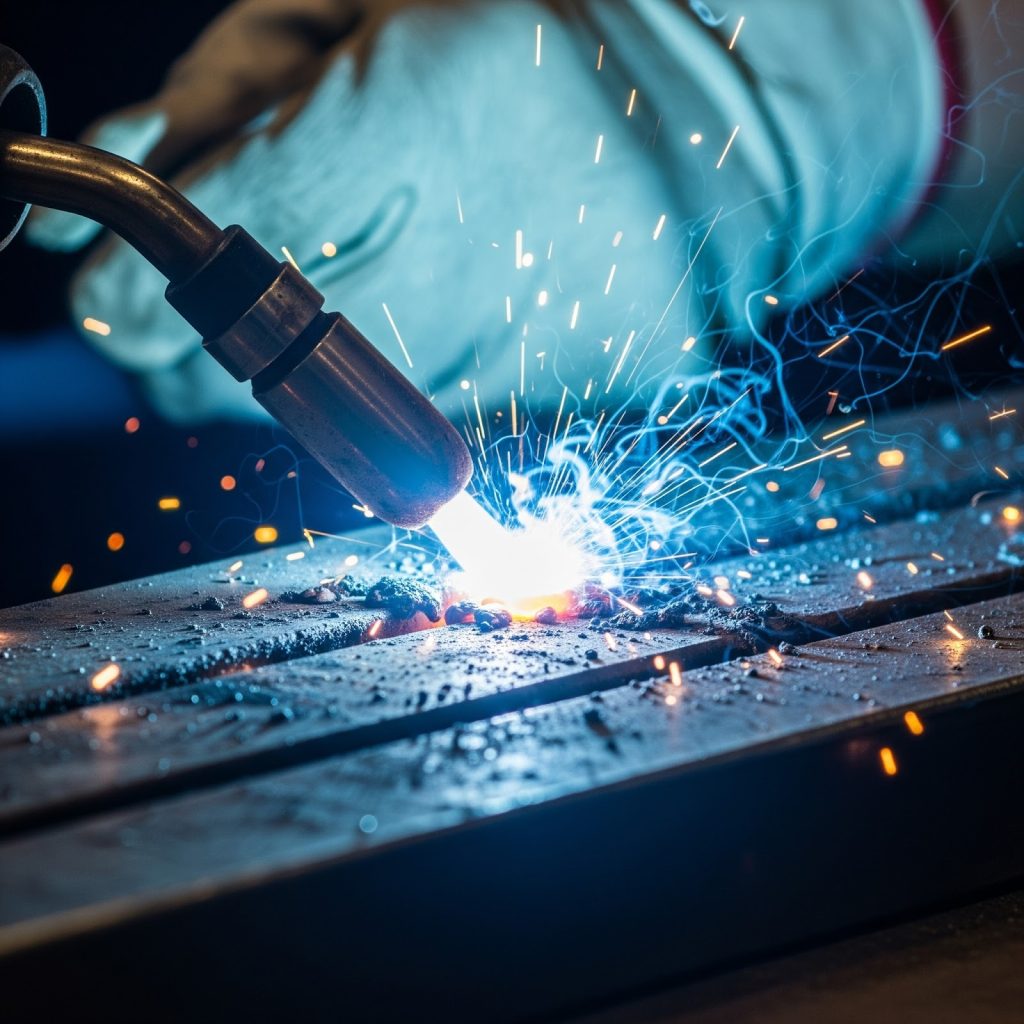
Vertical integration refers to Torklift’s model of managing design, engineering, manufacturing, finishing, and installation in a single facility, eliminating third-party delays and external markups. Our complete manufacturing facility includes laser tables, laser tube cutters, tube benders, robotics, 3D printing, powder coating, and an in-house engineering design team—an end-to-end capability that tightens quality control and shortens every step from quote to delivery. This is how we reliably meet aggressive timelines while maintaining repeatable quality standards.
With five decades serving Pacific Northwest fleets—and as the only U.S.-licensed hitch manufacturer operating with in-house engineering, fabrication, finishing, and installation—Torklift offers a unique combination of safety discipline, load validation, and field-tested reliability.
Key Municipal Upfitting Solutions for 2026
Municipal and utility directors are prioritizing upfits that increase productivity and safety while protecting payload and range. Core build types include dump trucks, service bodies, crane-support beds, flatbeds, and enclosed service vans. Demand for these platforms tracks rising infrastructure and utility work projected into 2026, with a focus on resilient supply and modular outfitting, according to S&P Global’s 2026 construction outlook.
Equally important are supporting systems: modular racks for fast reconfiguration, high-output and low-draw LED lighting, and smart power management—especially as fleets add EVs and hybrid assets.
Upfit comparison at a glance:
| Upfit Type | Primary Use | Critical Features | Material Options | EV Compatibility Notes |
| Dump body | Road, parks, and public works | Hoist reliability, corrosion protection | Steel or aluminum | Lighter bodies preserve range and payload |
| Service body | Utilities and maintenance | Secure tool storage, ladder/rack systems | Steel or aluminum | Integrate low-draw lighting and 12V/24V power |
| Crane-support bed | Lift and repair operations | Reinforced frames, outrigger integration | High-tensile steel | Validate load paths; manage accessory power |
| Flatbed | Multi-purpose hauling | Stake pockets, tie-downs, winches | Steel or aluminum | Lightweight decks offset battery mass |
| Enclosed service van | Mobile workshops | Shelving, partitions, climate control | Composite/aluminum interior | Optimize weight; smart inverters and idle-free power |
Engineering-Driven Design and Custom Fabrication
Our engineering-first process delivers safer, longer-lasting upfits. Computer-aided design, or CAD, is software that enables precise 2D and 3D modeling of vehicle upfits before physical fabrication—meaning bolt patterns, load paths, and service clearances are verified early. Finite-element analysis (FEA) simulates how upfit structures handle real-world stresses, verifying strength before anything’s built. Paired with CNC machining and rapid pilot builds, we can quickly validate prototypes on representative chassis, incorporate field feedback, and move to production without sacrificing accuracy.
This approach is especially valuable for municipal tasks that demand mission-specific performance: reinforced subframes for cranes, low-profile racks to clear parking structures, and tool layouts that reduce ladder climbs and reach—enhancing both safety and efficiency on shift.
Modular, Lightweight, and EV-Ready Upfit Components
Modular upfit components are customizable, interchangeable parts that streamline fleet maintenance, repairs, and future upgrades. For municipal operations, modularity accelerates repairs, simplifies reassignments, and reduces out-of-service time during lifecycle refreshes.
Weight matters more than ever. Using aluminum and advanced composites protects payload reserves and can extend vehicle service intervals—benefits that grow as electrified platforms add battery mass. Torklift’s designs are EV-ready: we minimize excess weight, maintain compatibility with powered accessories, and apply power budgeting so work lights, cranes, and compressors don’t compromise range targets.
Rapid Turnaround and Localized Installation Services
Public agencies need predictable scheduling. Torklift’s typical lead times are clear: simple projects completed in 1–2 business days; more complex builds delivered in 1–2 weeks depending on scope. Batch build calendars, fixed install slots, and local on-site support reduce waiting, travel, and vehicle downtime.
Service areas:
- Seattle
- Bellevue
- Tacoma
- Everett
- Kent
- Renton
Ensuring Compliance and Lifecycle Value for Municipal Fleets
Compliance and value start in specification. We encourage agencies to require transparent milestone tracking, standardized bills of materials, and documented warranty terms—elements that streamline procurement and audit reviews. TCO (total cost of ownership) is the complete sum of all direct and indirect expenses for owning and operating an upfitted municipal vehicle over its lifespan. Torklift backs builds with lifetime workmanship and product warranties, reducing risk and improving lifecycle predictability for public fleets.
Operational Benefits for Municipal and Utility Fleets in the Pacific Northwest
Local control delivers measurable results. Eighty-three percent of fleet leaders now rank lead times as their top challenge—vertical integration directly addresses downtime, predictable scheduling, and rapid iteration. Additional wins include:
- Reduced rework via engineer-approved drawings and fixtures
- Rapid escalation and local support for service or warranty needs
Because fabrication, finishing, and installation all happen at Torklift, vehicles stay closer to home and get back on route faster.
Planning for Fleet Electrification and Weight Optimization
Approach electrification with structure: start with route and utilization analysis, run pilot programs to validate duty cycles, then scale in phases with clear charging and maintenance plans. A pilot program is a controlled rollout where a sample vehicle or upfit solution is tested in real-world conditions before widespread fleet adoption. Use engineering analysis to ensure powered accessories are efficient, ensure wiring and inverters meet load profiles, and prioritize lightweight components to preserve range—key steps as service fleets reach a pivotal transition in 2026.
Request a Quote and Consultation for Municipal Fleet Upfits
Ready to scope your 2026 program? Our specialists will audit your fleet, recommend EV-ready and lightweight options, and deliver a tailored proposal with transparent timelines. We offer product demonstrations, on-site audit walk-throughs, and in-person support from our experienced team.
Frequently Asked Questions
What upfit considerations are critical for municipal electrification projects?
For effective municipal electrification, prioritize EV-ready designs, weight reduction strategies, and power budgeting so accessories don’t compromise range.
How can modular upfit designs reduce maintenance and downtime?
Modular components swap quickly, speeding repairs and upgrades so vehicles return to service faster.
What is the typical lead time for simple and complex municipal upfit projects?
Simple projects typically take 1–2 business days; complex builds are completed in 1–2 weeks depending on scope.
How do engineering validations like CAD and finite-element analysis improve upfit reliability?
CAD and FEA allow modeling and stress-testing before fabrication, improving safety, fitment, and durability.
Why is working with a vertically integrated upfitter important for municipal fleet managers?
Vertical integration streamlines design-to-installation, delivering faster turnaround, tighter quality control, and lower total cost.