
Motorhome travel is about freedom, flexibility, and seeing more of the world on your own terms. But once you arrive at your destination, driving a full-size RV everywhere isn’t always practical. That’s why motorhome towing—especially flat towing—has become such an essential part of modern RV travel.
At Torklift Central, motorhome towing is one of our core specialties. We help RV owners safely flat tow their vehicles every day, and our reputation reaches far beyond our local area. In fact, a customer once shipped their motorhome to us from Turkey just to have it professionally set up for flat towing. That kind of trust comes from experience, precision, and doing the job right the first time.
This guide walks through the basics of motorhome towing, why flat towing is so popular, what vehicles can be flat towed, and why working with experts matters.
What Is Motorhome Towing?
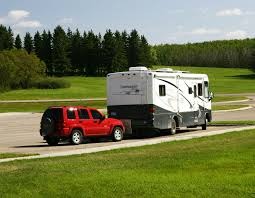
Motorhome towing is the practice of pulling a secondary vehicle—often called a dinghy vehicle or toad—behind a motorhome. This allows RV owners to leave their motorhome parked at a campground or RV park while using a smaller vehicle for sightseeing, errands, and everyday driving.
There are three main ways to tow a vehicle behind a motorhome:
- Flat towing (four-down towing)
- Tow dolly towing
- Trailer towing
Each method has its pros and cons. However, for many RV owners, flat towing offers the best balance of convenience and efficiency.
What Is Flat Towing?
Flat towing—also known as four-down towing—means towing a vehicle with all four wheels on the ground. The vehicle is connected to the motorhome using a tow bar, safety cables, electrical wiring, and a supplemental braking system.
Because there’s no trailer or dolly involved, flat towing keeps the setup lighter and easier to manage. Once installed, most RV owners can hook up their vehicle in just a few minutes.
Why Would Someone Want to Flat Tow a Vehicle?
Flat towing is popular because it solves several common challenges motorhome owners face.
Convenience and Simplicity
With flat towing, there’s no need to load or unload a vehicle. Once you arrive, you disconnect and drive away. This is especially helpful for travelers who move frequently or explore new locations often.
Lower Long-Term Costs
Tow dollies and trailers add additional equipment that requires maintenance, storage, and replacement parts. Flat towing minimizes extra hardware and can reduce long-term costs. These trade-offs are explained further in this flat towing vs tow dolly article.
More Freedom at Your Destination
A flat-towed vehicle becomes your daily driver. Whether you’re heading into town, visiting national parks, or navigating narrow roads, having a smaller vehicle makes travel easier and more enjoyable.
What Vehicles Can Be Flat Towed?
One of the most common questions we hear is whether a specific vehicle can be flat towed. The answer depends on how the vehicle was designed and how it’s equipped.
Vehicles Flat Towable From the Factory
Many vehicles are flat towable from the factory, meaning the manufacturer has approved them for four-down towing when proper procedures are followed. These often include certain SUVs, select pickup trucks, and many manual-transmission vehicles.
Manufacturer guidelines are critical here. This how to tell if your vehicle is flat towable article walks through what to check before towing.
Vehicles That Can Be Converted for Flat Towing
Some vehicles that aren’t factory-approved can still be flat towed with the right modifications, such as driveline disconnects or transmission lubrication systems. Not every vehicle is a good candidate for conversion, which is why expert evaluation is so important.
Improper towing or incorrect equipment can lead to serious drivetrain damage, so professional guidance matters.
What Equipment Is Needed for Flat Towing?
A safe flat towing setup is a complete system, not just a tow bar.
- Tow bar: Connects the motorhome to the towed vehicle and must be properly rated
- Base plates: Vehicle-specific mounting points attached to the frame
- Safety cables: Provide a secondary connection for added security
- Electrical wiring: Syncs the towed vehicle’s lights with the motorhome
- Supplemental braking system: Helps the towed vehicle brake with the motorhome
Each component must work together correctly.
Why Professional Flat Towing Setup Matters
Flat towing is not a one-size-fits-all solution. Vehicle weight, motorhome hitch ratings, braking requirements, and electrical systems all play a role. At Torklift Central, we evaluate the entire setup to ensure everything works safely and reliably together.
This attention to detail is why RV owners travel long distances to work with us—and why someone once shipped a motorhome from Turkey just to have us handle their flat towing setup.
Frequently Asked Questions About Flat Towing
What is the best vehicle to flat tow behind a motorhome?
The best vehicle is one that is factory-approved for flat towing, fits within your motorhome’s weight limits, and meets your travel needs.
Can automatic transmission vehicles be flat towed?
Some automatic vehicles are flat towable from the factory, while others may require conversion equipment. Always follow manufacturer guidelines.
Do I need a braking system for flat towing?
In most cases, yes. Many states and provinces require a supplemental braking system, and it greatly improves stopping safety.
Is flat towing better than using a tow dolly?
Flat towing is often preferred for convenience and ease of use, but the best option depends on your specific vehicle and setup.
Can flat towing damage my vehicle?
Yes, if done incorrectly. Towing a vehicle that isn’t approved or properly equipped can cause serious drivetrain damage.
Work With the Flat Towing Experts at Torklift Central
Flat towing should feel straightforward and confidence-inspiring—not confusing. Whether you’re researching options or ready for a complete setup, Torklift Central has the experience to do it right.
If we can help someone who shipped their motorhome from Turkey, we can help you too.Visit Torklift Central to talk with our experts and get your motorhome flat towing setup done right.