


E-Bike Rack Hitch Installation Near Seattle: Why Receiver Size and Tongue Weight Matter
Heavy bikes need the right foundation. Professional e-bike rack hitch installation at Torklift Central in Kent, WA.
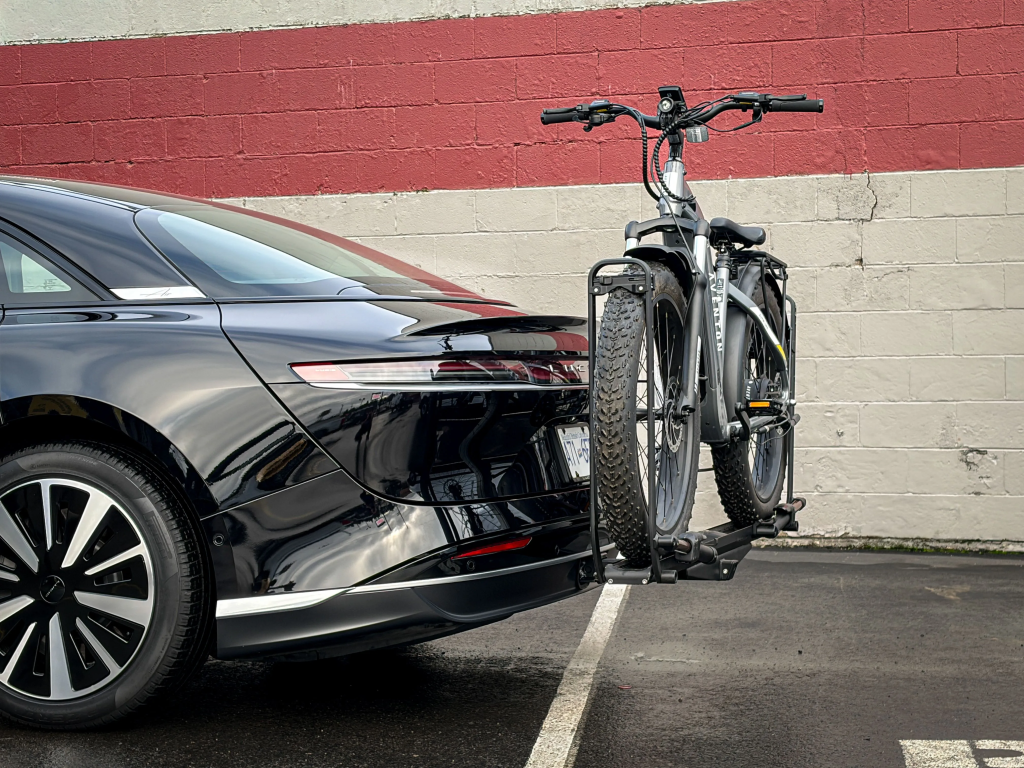
Seattle is an e-bike city. Commuters, trail riders, and weekend adventurers are carrying heavier bikes than the hitch accessories market was originally designed for. A single e-bike can weigh 70 pounds or more, and a loaded two-bike rack can push 180 pounds or more. That weight, extended behind the vehicle on a cantilevered arm, creates engineering demands that many drivers do not think about until something wobbles, drags, or fails.
Torklift Central in Kent, WA helps Seattle-area e-bike owners get the hitch, receiver, and rack setup right before they load the first bike. This article covers why receiver size and tongue weight matter more than most shoppers expect.
Where to Get an E-Bike Rack Hitch Installed Near Seattle
Torklift Central at 315 Central Ave N, Kent, WA 98032. South on I-5 or I-405 from Seattle, approximately 25 to 35 minutes depending on traffic. Call 253-854-1832 to schedule.
Why E-Bike Racks Need a 2-Inch Receiver
Most quality e-bike racks are designed for 2-inch receivers. A 2-inch receiver provides a larger interface, more structural stability, and eliminates the adapter wobble that 1.25-to-2-inch adapters introduce. For loads exceeding 100 pounds on a cantilevered arm, adapter play is not a minor inconvenience; it is a stability and safety concern.
Tongue Weight: The Number That Actually Matters
Tongue weight is the downward force the loaded rack applies at the receiver. It includes the rack weight, the bike weight, and the amplification from the lever effect of the extension arm. The hitch's tongue weight rating, the vehicle's factory tongue weight limit, and the rack's load rating all apply. The lowest number controls. Our technicians calculate the effective tongue weight for your specific rack, bikes, and extension distance so you leave with a setup that is within limits.
Why Choosing a Hitch Based Only on Price Is a Risk
The cheapest hitch on the internet may physically bolt to your vehicle. But if it uses a 1.25-inch receiver when your e-bike rack needs 2-inch, if its tongue weight rating is lower than what your loaded rack demands, or if it hangs so low it scrapes on your driveway, the savings evaporate. Our technicians match the hitch to the actual use case.
What We Review Before You Leave
| Review Item | What We Check | Why It Matters |
| Receiver fit | Rack seats securely, no excessive play. | Play at the receiver amplifies wobble at the rack tips. |
| Loaded weight | Rack + bikes vs. hitch and vehicle limits. | Overloading is a safety and component failure risk. |
| Extension distance | How far bikes extend behind the vehicle. | Lever effect amplifies tongue weight beyond static weight. |
| Ground clearance | Loaded rack height vs. road features. | Low clearance means scraping on driveways and speed bumps. |
Key Takeaways
- E-bikes are heavy. A 2-inch receiver, adequate tongue weight, and a full-system review are essential.
- The lever effect means force at the receiver exceeds static weight. Extension distance matters.
- The lowest-rated component controls: hitch, vehicle, and rack ratings all apply.
- Do not choose a hitch based only on price. Match the hitch to the actual use case.
- Call 253-854-1832 to schedule at Torklift Central in Kent, WA.
Schedule e-bike rack hitch installation.
Call 253-854-1832 from Seattle.
Frequently Asked Questions
Where can I get an e-bike rack hitch installed near Seattle?
Torklift Central in Kent, WA. 25-35 minutes south of Seattle. Call 253-854-1832.
Why do many e-bike racks use 2-inch receivers?
More stability, broader compatibility, and no adapter needed for heavier loads.
How does tongue weight affect e-bike carrying?
Tongue weight is the actual force at the receiver, amplified by the lever effect. It determines whether the setup is within limits.
Can Torklift Central review my bikes and rack setup?
Yes. Bring your rack and bikes. We verify fit, weight, clearance, and vehicle limits before you leave.
Do hitch extensions reduce capacity?
Yes. Extensions increase leverage and reduce practical capacity.
Why should I not choose a hitch based only on price?
The cheapest option may have the wrong receiver size, insufficient tongue weight, or poor ground clearance for your actual use.