

A retail specialist can help faster when you have the truck, camper, trailer, and receiver details ready.
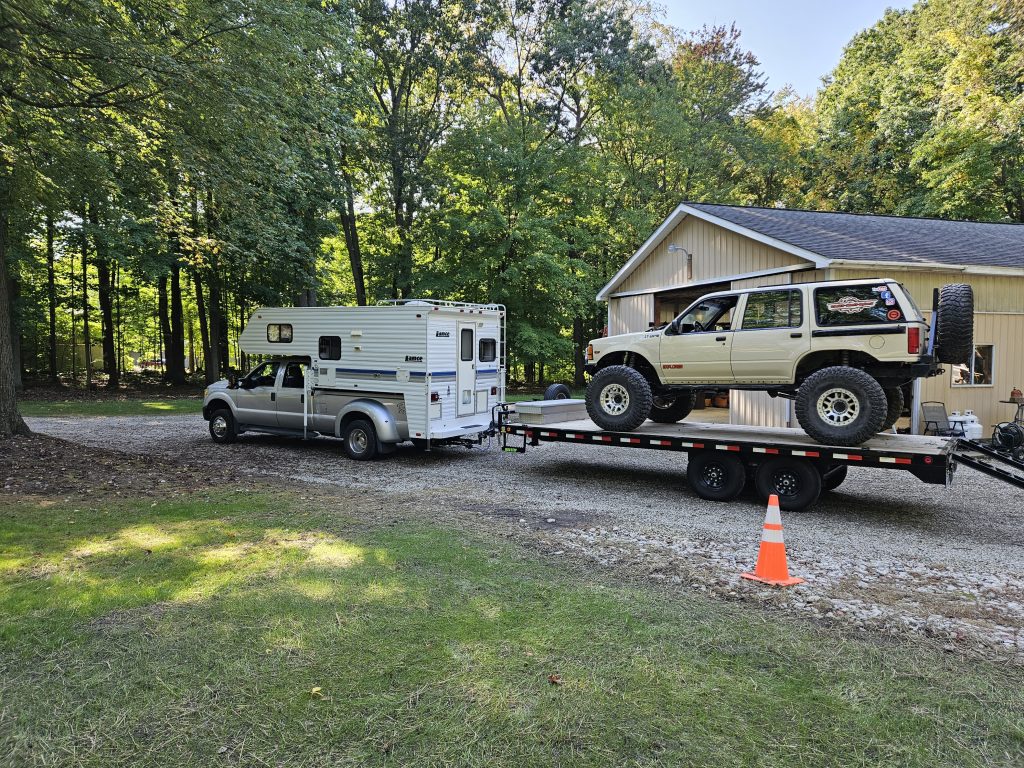
A retail specialist can help faster when you have the truck, camper, trailer, and receiver details ready. Truck camper towing setups involve several rated parts working together, so the more accurate your details, the better the guidance you get before ordering.
This article explains exactly what a Torklift Central retail specialist looks for when helping you choose truck camper towing parts, why each detail matters, and how to prepare so your conversation is quick and useful.
What a retail specialist needs before recommending parts
Answer-first: a retail specialist typically wants your truck year, make, model, and bed length; your camper overhang measurement; your loaded trailer weight and tongue weight; your trailer type; and your current receiver and its rating.
With those details, a specialist can point you to the correct SuperHitch or SuperTruss product pages and rating charts and help you confirm fitment. Without them, any recommendation would be guesswork, and guesswork is exactly what leads to wrong orders.
| Information to provide | Why the specialist needs it | Where to find it | What it helps determine |
|---|---|---|---|
| Truck year, make, model, bed length | Fitment is matched to the vehicle | Registration, door jamb sticker | Which parts are listed for your truck |
| Camper overhang measurement | Sets how far the coupler must reach | Measured loaded, on level ground | Extension reach you need |
| Loaded trailer weight | Must stay within the lowest-rated component | Scale weight loaded | Which rating chart applies |
| Tongue weight | Affects setup and accessory choice | Estimated or scaled | Compatible configuration |
| Trailer type and use | Ramps, clearance, and loading differ by trailer | You know your trailer | Practical setup questions to review |
| Current receiver and rating | The receiver is a rated part of the system | Receiver label or paperwork | Compatibility with parts you consider |
Why your truck year, make, and model come first
Fitment starts with the truck. Parts are listed for specific vehicles, so the year, make, model, and bed length are the first things a specialist confirms. Verifying truck fitment before ordering avoids the most common wrong-order problem: a part that suits a similar truck but not yours.
Why camper overhang and trailer weight matter to the specialist
Camper overhang tells the specialist how far the trailer coupler must reach behind the truck, which affects extension length, and extension length affects capacity and leverage. Loaded trailer weight, meanwhile, has to stay within the lowest-rated component in the towing system.
That is why a specialist asks for both. They are not upselling; they are matching your real numbers to published ratings so you order parts that fit your setup rather than a generic one.
Why tongue weight and trailer type come up
Tongue weight affects which setup and accessories fit, and trailer type changes practical questions like clearance and loading. A boat trailer, an enclosed trailer, and a flatbed can each raise different considerations even behind the same truck and camper. Sharing the trailer type up front lets the specialist ask the right follow-up questions.
Should you know your current receiver setup?
Yes. Your receiver is a rated part of the towing system, so its class and rating matter. Note whether it is a factory or aftermarket receiver and what the label or paperwork says. If you are not sure, tell the specialist that too, and they can help you confirm it before recommending compatible parts.
How to prepare before contacting Torklift Central
- Write down your truck year, make, model, and bed length.
- Measure and record your camper overhang, loaded and on level ground.
- Get your loaded trailer weight and tongue weight, ideally from a scale.
- Note your trailer type and how you use it.
- Record your current receiver and its rating, or flag that you need help confirming it.
- Have your towing goal in mind, such as the trailer you want to pull and how far.
How Torklift Central Can Help You Shop
Recommended products: SuperHitch and SuperTruss. Once a specialist has your details, the conversation usually centers on the SuperHitch receiver and the SuperTruss extension, which are the Torklift products built for towing behind a truck camper. The specialist uses your overhang, loaded trailer weight, and receiver rating to identify the configuration that fits your truck. No hitch or extension raises factory towing capacity, so the goal is matching your numbers to the published ratings and confirming fitment before you order.
What makes shopping with a retail specialist worthwhile is that you compare products on the details that actually matter: ratings tied to configuration, confirmed truck fitment, and a clear rating chart. Arriving prepared lets the specialist point you to the right SuperHitch or SuperTruss configuration quickly instead of guessing.
Torklift Central is an online towing equipment provider and retail buyer support resource. Our retail specialists use the details above to point you toward the right product categories, product pages, and rating charts, and to help you verify fitment before you order.
The better prepared you are, the faster we can help. If any detail is uncertain, share what you have and we can walk through how to confirm the rest before you buy.
- Contact a Torklift Central retail specialist before ordering.
- Shop the SuperHitch category and truck camper towing parts.
- Review the SuperTruss product page and rating chart.
What Sets Torklift Central Apart?
Family-owned since 1976, Torklift Central in Kent, WA is the Retail Product Development Center where Torklift products begin before they scale to mass production. That heritage means the team guiding your purchase understands these products from the ground up, not just from a catalog. From standard bolt-on hitches and premium E-bike racks to truck camper setups, commercial fleets, RV towables, and municipal vehicles, our team has seen it all and helps you find the right fit. Armed with 3D scanning, robotics, CNC machining, laser tube cutting, and in-house powder coating, our on-site engineers and retail specialists can point you to the correct part, or custom fit and fabricate a solution when an off-the-shelf setup won't line up. Whether you drive an EV, haul a camper, or manage a city fleet, we bring 50 years of precision and hands-on knowledge to every recommendation. And we tell you what it costs and when it's done.
Key takeaways
- Have your truck, camper, trailer, and receiver details ready before contacting a retail specialist.
- Truck year, make, model, and bed length come first because fitment starts with the vehicle.
- Camper overhang and loaded trailer weight shape extension reach and which rating chart applies.
- Your receiver is a rated part of the system, so know its class and rating.
- Good preparation leads to faster, more accurate retail guidance before ordering.
FAQ
What does a retail specialist need before recommending truck camper towing parts?
Your truck year, make, model, and bed length; camper overhang; loaded trailer weight and tongue weight; trailer type; and your current receiver and rating.
Why do I need my truck year, make, and model?
Fitment starts with the truck. Parts are listed for specific vehicles, so these details confirm which parts apply to you.
Why does camper overhang matter?
It tells the specialist how far the trailer coupler must reach behind the truck, which affects extension length and, in turn, capacity and leverage.
Why does trailer weight matter?
Loaded trailer weight must stay within the lowest-rated component in the towing system, and it determines which rating chart applies.
Why does tongue weight matter?
Tongue weight affects which setup and accessories fit, so the specialist needs it to recommend a compatible configuration.
What trailer type should I mention?
Whatever you tow, such as a boat, enclosed, utility, or flatbed trailer. Trailer type changes clearance, loading, and setup questions.
Should I know my current receiver setup?
Yes. Note whether it is factory or aftermarket and its class and rating. If you are unsure, the specialist can help you confirm it.
How can I prepare before contacting Torklift Central?
Gather truck, camper, trailer, and receiver details, ideally with scale weights and a measured overhang, then call 253-854-1832 for retail support.
A good recommendation depends on good information. When you arrive with truck, camper, trailer, and receiver details ready, a retail specialist can match your real numbers to the right parts and ratings quickly. Gather your details first, review the SuperHitch and SuperTruss product pages, and contact Torklift Central retail support at 253-854-1832 before ordering.