
Factory puck systems and above-bed rail kits are two different ways to mount a fifth wheel hitch. Here is how they compare, and what to confirm about your truck before you buy.
Before you compare fifth wheel hitch models, you need to know how the hitch will attach to your truck. Most shoppers end up working with one of two mounting paths: a factory OEM puck system or an above-bed rail system. Each one works differently, and the right hitch depends on which path your truck uses.
This guide explains the OEM puck system vs rail-mounted fifth wheel hitch comparison without declaring a universal winner. It is written for shoppers buying a new truck, moving a hitch from one truck to another, or trying to figure out what their current truck already has.
Two Mounting Paths for a Fifth Wheel Hitch
A fifth wheel hitch has to attach securely to the truck, so the mounting system matters as much as the hitch itself. An OEM puck system uses mounting points built into the truck at the factory. A rail system adds truck-specific rails in the bed that a compatible rail-mounted hitch attaches to.
Neither path is automatically stronger, safer, or less expensive. Each has its own compatibility rules, and the right choice depends on your truck, your hitch, and how you use the bed when you are not towing.
How an OEM Puck System Works
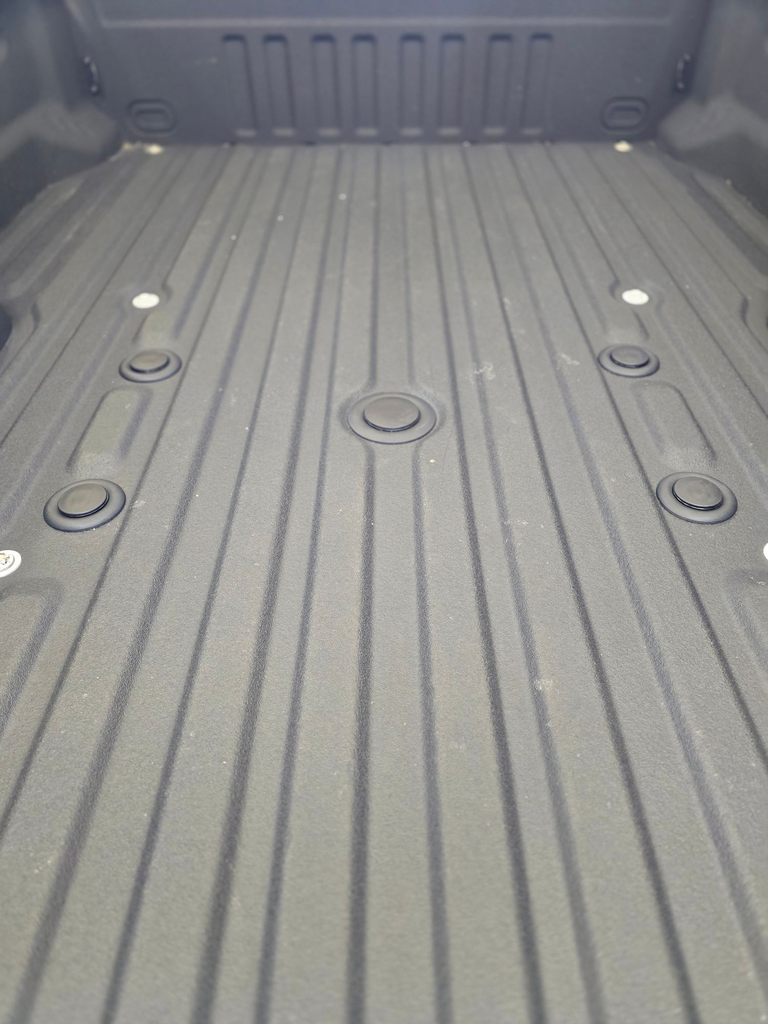
Some trucks are equipped from the factory with fifth wheel prep, which provides puck mounting points in the bed. A puck-compatible fifth wheel hitch connects through that factory mounting system when the exact truck and hitch are compatible.
The key detail is that puck patterns and compatibility are specific to the truck and its manufacturer. A hitch described as "puck compatible" does not fit every manufacturer's puck pattern. Before buying, confirm the hitch is compatible with the specific puck system in your truck.
Adapters may exist for certain setups, but each one has to be verified individually for the truck and hitch involved. An adapter does not automatically preserve every original hitch rating, so check the adapter rating and the hitch documentation for that exact configuration.
Factory prep does not mean a puck-system setup involves no installation work. Depending on the hitch, the truck, and accessories such as in-bed trailer wiring, there can still be real installation steps involved.
How Above-Bed Rail Systems Work
Above-bed rail systems provide a mounting path for compatible rail-mounted fifth wheel hitches. A rail kit uses rails, brackets, and hardware that are matched to the truck, giving the hitch a place to mount in the bed.
Rail-kit fitment is truck-specific. The brackets, rails, hardware, any drilling or access requirements, and overall installation complexity all depend on the truck and the kit. A rail kit for one truck is not interchangeable with another, and not every fifth wheel hitch works with every rail system.
Torklift Central can install compatible above-bed rail kits along with the hitch that mounts to them, so shoppers can plan the rails and hitch as one setup.
Puck vs Rail: Side-by-Side
This table compares the two mounting paths. Use the last column as your checklist before ordering.
| Comparison factor | OEM puck system | Above-bed rail system | What the shopper should verify |
|---|---|---|---|
| Truck preparation | Truck has factory fifth wheel prep with puck mounting points | Truck needs a compatible rail kit installed | Whether your truck has factory prep |
| Hitch compatibility | Hitch must match the specific puck pattern | Hitch must be compatible with the rail system | Compatibility with your exact truck and mounting system |
| Mounting components | Uses factory puck mounting points | Uses truck-specific rails, brackets, and hardware | Every component needed for your setup |
| Adapter needs | Adapters may exist for certain setups and must be verified individually | Depends on the hitch and rail combination | Adapter compatibility and rating |
| Bed hardware | Factory mounting points in the bed floor | Rails installed in the bed | How the bed will be used with the hitch removed |
| Installation path | Depends on the hitch and truck | Depends on the truck and kit, including drilling or access needs | Installation requirements for your truck |
| In-bed wiring | Planned with the hitch installation | Planned with the hitch installation | Whether in-bed trailer wiring is needed |
| Future truck changes | Depends on the next truck's puck system | Rails and brackets are matched to the current truck | Whether your hitch will work on a future truck |
Adapters, Hitch Transfers, and New Trucks
Many shoppers arrive at this comparison because something changed. They bought a new truck with factory prep and own a rail-mounted hitch, or they are moving a puck-compatible hitch to a different brand of truck.
In these situations, start with the new truck. Identify whether it has factory puck prep and which system it uses. Then check whether your existing hitch is compatible with that system directly, compatible through a verified adapter, or not a match for the new truck. Do not assume an adapter exists for your combination, and do not assume one carries the full original hitch rating.
Bed use and hitch removal also belong in the decision. Many owners want the bed available when the hitch is out, so ask how the bed will look and function with the hitch removed for each mounting path you are considering, and how involved it is to take the hitch in and out for your specific setup.
Ratings, In-Bed Wiring, and Installation Planning
The mounting type does not change the truck's limits. The hitch rating, any adapter rating, the trailer's pin weight, and the truck's payload, GVWR, GAWR, towing limits, and tire ratings all apply. Pin weight counts against payload, and the lowest-rated component controls.
In-bed trailer wiring connects the trailer to the truck at the hitch location, so plan it with the hitch rather than adding it later. Torklift Central's fifth wheel hitch installation service covers puck-system hitches, above-bed rail kits, standard and sliding fifth wheel hitches, adapter components, in-bed trailer wiring, and compatible customer-supplied systems. The full list of Torklift Central services covers related towing work.
First, Identify What Mounting System Your Truck Has
Every good fifth wheel purchase starts with one answer: what mounting system does your truck have? Gather these details before you shop:
- Truck year, make, model, and bed length.
- Whether the truck has factory fifth wheel prep.
- Photos of the bed floor showing any puck mounting points or existing rails.
- Your current hitch model, if you are transferring a hitch.
- Trailer pin weight and the hitch rating you need.
- Whether in-bed trailer wiring is needed.
A Torklift Central retail specialist can help you identify the mounting system, compare compatible hitches, and find the right part number. If you want installation, the Kent, WA team schedules the work and walks you through the setup at the appointment.
Shop fifth wheel hitches at Torklift Central, contact a retail specialist, or call 253-854-1832 with your fitment questions.
Key Takeaways
- OEM puck systems and above-bed rail systems are two different mounting paths, and neither is universally better.
- Puck patterns are truck and manufacturer specific, so "puck compatible" does not mean a hitch fits every truck.
- Rail kits are truck-specific, and not every fifth wheel hitch works with every rail system.
- Adapters must be verified individually and do not automatically preserve every original hitch rating.
- Identify your truck's mounting system first, then compare hitches and plan in-bed wiring with the install.
Frequently Asked Questions
What is an OEM fifth wheel puck system?
It is factory fifth wheel prep that provides puck mounting points in the truck bed. A puck-compatible hitch connects through that system when the exact truck and hitch are compatible.
What are fifth wheel bed rails?
Above-bed rails are a truck-specific kit of rails, brackets, and hardware installed in the bed to provide a mounting path for compatible rail-mounted fifth wheel hitches.
Is a puck system better than rails?
Neither is universally better. The right choice depends on whether your truck has factory prep, which hitch you plan to use, how you use the bed, and your future truck plans.
Can I use my old fifth wheel hitch with a new puck-system truck?
Possibly, but it depends on the hitch and the new truck's puck system. Some combinations may work through a verified adapter, while others will not. Confirm compatibility for your exact truck and hitch before buying anything.
Do puck systems use adapters?
Adapters may exist for certain setups, but each one must be verified individually for the truck and hitch involved. An adapter does not automatically preserve every original hitch rating.
Can Torklift Central install fifth wheel rails?
Yes. Torklift Central in Kent, WA installs compatible above-bed rail kits and the hitches that mount to them.
Can Torklift Central install a puck-system hitch?
Yes. Torklift Central installs puck-system hitches, adapter components, and in-bed trailer wiring, along with compatible customer-supplied systems.
Important Notices
| RATINGS NOTICE: Fifth wheel mounting systems, hitches, and adapters do not increase a truck's towing capacity, payload, GVWR, GAWR, or tire ratings. Pin weight counts against payload, and the lowest-rated component in your setup, including any adapter, controls. |
| FOLLOW OFFICIAL GUIDANCE: Follow the truck owner's manual, hitch and rail kit installation instructions, adapter documentation, trailer manufacturer guidance, and current product page details. |
| Shop Fifth Wheel Hitches at Torklift CentralBrowse fifth wheel hitches, have your truck's mounting system details ready, and call 253-854-1832 with fitment questions or to schedule installation. |