

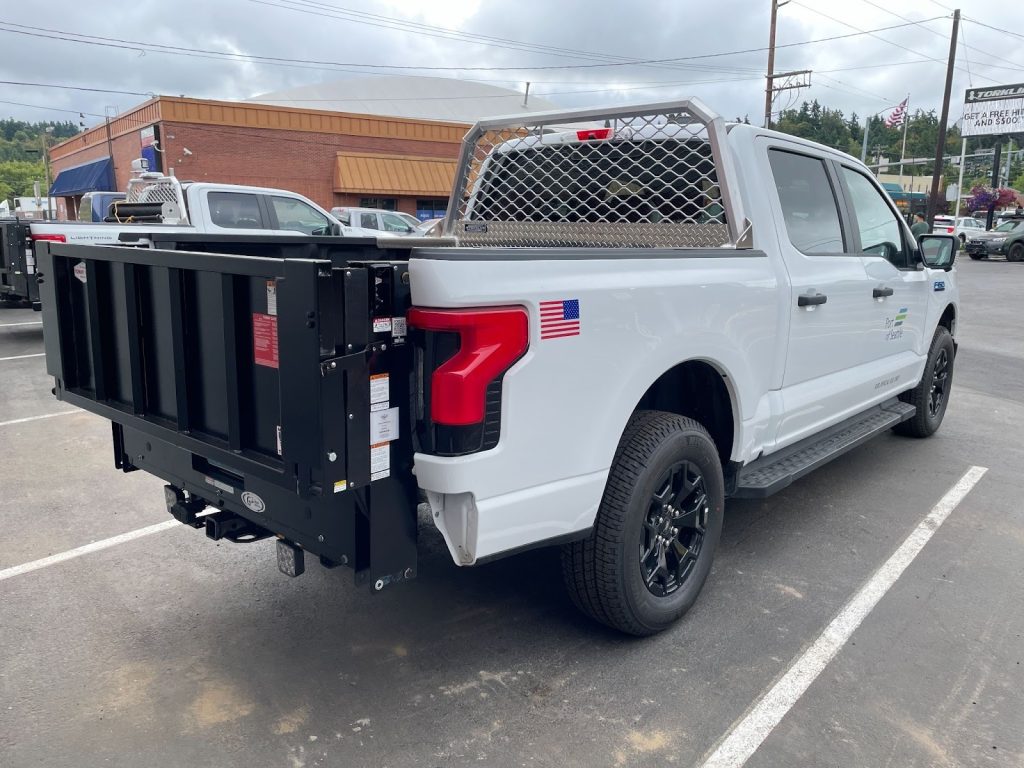
Whether you're managing a growing fleet or outfitting your personal adventure rig, one thing remains the same: choosing the right hitch makes all the difference. From towing capacity to ground clearance to vehicle integration—your hitch setup directly affects safety, performance, and peace of mind.
Here’s a simple guide to help you navigate the hitch selection process for both fleet and personal applications.
1. Know Your Towing Needs
Before selecting a hitch, start by understanding what you plan to tow:
- For fleet vehicles, this might mean utility trailers, liftgates, or cargo haulers.
- For personal use, think boats, RVs, bike racks, or small trailers.
Once you have that figured out, check your vehicle’s towing capacity in the owner’s manual and determine your required hitch class. Most common hitches fall into these categories:
- Class I & II: Light-duty (up to 3,500 lbs)
- Class III & IV: Medium to heavy-duty (up to 10,000 lbs)
- Class V / Commercial: For heavy fleet and commercial loads (12,000+ lbs)
2. Consider the Hitch Design
Not all hitches are created equal. At Torklift, we specialize in vehicle-specific designs like EcoHitch, built for clean integration and high performance.
For Fleet Use:
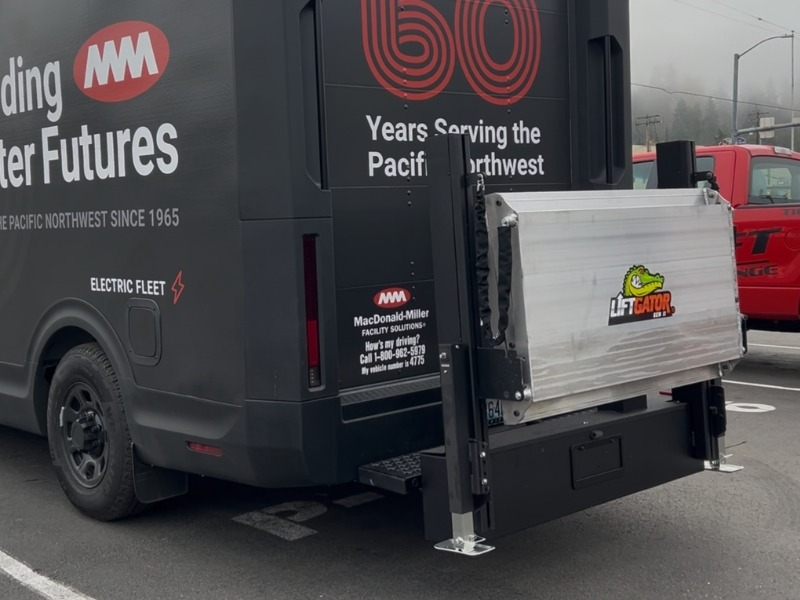
- Choose a hitch that works with upfits, such as liftgates or custom service bodies.
- Look for stainless steel construction for rust resistance.
- Ensure compatibility with commercial-grade accessories (like pintle hooks or step bumpers).
For Personal Use:
- Hidden or stealth-style hitches like EcoHitch offer better aesthetics.
- Ground clearance is key—especially for RVs, SUVs, and off-road rigs.
- Consider lifestyle add-ons like bike racks or cargo trays when selecting hitch height and receiver size.
3. Check for Sensor Compatibility
Modern vehicles come with more tech than ever—kick sensors, parking assist, collision detection—and the wrong hitch can interfere with all of it.
That’s why EcoHitch is designed to be kick sensor compatible, especially on newer EVs, hybrids, and SUVs. This ensures you can tow without compromising your vehicle’s built-in technology.
4. Safety Starts with Tongue Weight
Choosing a hitch isn’t just about how much you can pull—it’s also about how much weight you’re placing on the tongue of your vehicle. To stay safe, always check that your trailer's tongue weight falls within the rated range for your hitch and vehicle.Use our Maximum Tongue Weight Estimator Tool to find out if your setup is compliant—before you hit the road.
5. Trust Certified Installers
Installation is just as important as the hitch itself. For fleets and consumers alike, working with a Certified Torklift Installer ensures that your hitch is installed to exacting standards—no guesswork, no compromise.
Use our Installer Locator Tool to find a certified pro near you.
Final Thoughts: One Hitch Doesn’t Fit All
Whether you're hauling tools to the job site or towing your camper into the mountains, the right hitch makes all the difference. At Torklift, our American-made hitches are designed to deliver strength, reliability, and vehicle-specific fitment—without sacrificing safety or style.
Still not sure what hitch fits your needs? Our team is here to help!Contact us at Torklift Central or visit us in-store to get expert advice and product recommendations.