
A receiver gets the trailer attached. The electrical connection gets the lights and brakes working. Planning both together saves time and surprises.
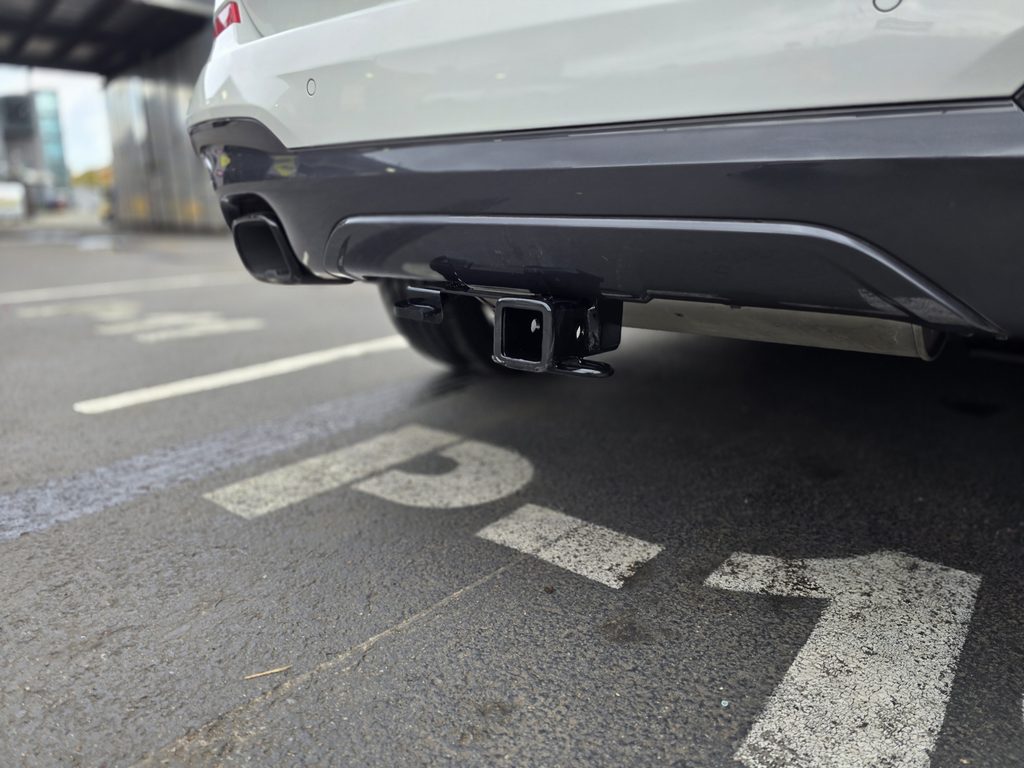
If you need a receiver hitch and the wiring to go with it, Torklift Central can review both needs together and determine whether they can be scheduled as part of the same service visit. Planning the hitch and electrical sides at once means the connector lands in the right place, brake-control wiring is not an afterthought, and any existing electrical problems get found before the new hitch goes on.
Here is what our technicians review on each side, why the two belong in one plan, and what to bring before you schedule at the Kent, WA facility.
Why Plan the Hitch and the Wiring Together
A towing setup is one system. The receiver, the connector, the harness, and the brake controller all have to work with the same trailer. Reviewing them together helps determine:
- The correct hitch for the intended use
- Where the trailer connector should mount
- How the harness should be routed
- Whether brake-control wiring is needed
- Whether existing electrical faults should be diagnosed first
- Whether custom fabrication affects wiring placement
- Whether the trailer information is complete before work begins
It also keeps trailer information in one place. The trailer weight and tongue weight that guide the hitch selection are the same trailer details that tell our technicians whether brake-control wiring is required. Gathering them once serves both halves of the job.
When the hitch is installed first and the wiring is planned later, the connector can end up somewhere inconvenient, and a second visit becomes the fix.
The Hitch Side: What Torklift Central Needs
For the hitch side of the plan, our team asks for:
- Vehicle year, make, and model
- Intended hitch use
- Trailer type
- Trailer weight and tongue weight
- Receiver requirement
- Any existing hitch or bumper modifications
These details point to the right receiver and show whether a standard installation applies or the vehicle needs a closer look, such as an aftermarket bumper or a previous hitch that has to come off first.
The Wiring Side: Connector, Brakes, and Existing Circuits
Not every trailer needs the same connector, and not every vehicle has factory trailer wiring. For the electrical side, gather:
- Trailer connector type
- Whether the vehicle has a factory tow package
- Trailer lighting requirements
- Whether the trailer has electric brakes
- Brake controller status
- Existing wiring on the vehicle
- Any known electrical problems
- Auxiliary circuit needs, when applicable
The 4-way or 7-way question is answered by the trailer, not the vehicle. A trailer with electric brakes or auxiliary circuits needs a connector and wiring that support them, plus a compatible brake controller in the tow vehicle. Bring the trailer details and our technicians will match the electrical setup to it.
If you tow more than one trailer, mention each one. A utility trailer, a boat trailer, and a travel trailer can have different connectors, lighting, and braking, and the wiring plan should cover the trailers you actually pull.
Existing Wiring Problems: Test the Circuit Before Adding Parts
If your current trailer wiring is malfunctioning, installing a new connector does not automatically solve it. A flickering light or a dead turn signal can start anywhere in the circuit. Torklift Central's electrical approach tests the complete circuit rather than guessing from symptoms, including:
- The tow vehicle wiring
- The connector
- The ground
- The harness
- The trailer wiring
- Trailer lighting
- The brake circuit
Finding the actual fault first keeps you from paying for parts that do not fix the problem, and it means the new hitch installation starts with an electrical system that works.
When you request the appointment, describe the symptoms you have seen: which lights fail, whether the problem comes and goes, whether it changes when you turn or brake, and whether it happens with more than one trailer. That description does not replace testing, but it helps the service team plan the visit.
Electric Brake Problems Need Attention Before the Next Tow
If your trailer uses electric brakes and the braking circuit has an unresolved electrical problem, do not keep towing as normal. Schedule a diagnostic review before the next trip. Brake circuit faults are a safety issue, and the review identifies where the fault is before any new parts go on.
The same goes for a brake controller that shows an error, reads differently than it used to, or does not seem to apply the trailer brakes as expected. Bring the trailer in with the tow vehicle so the full brake circuit can be tested together.
Plan the Receiver and Electrical Connection as One Towing Setup
Use the table below to line up the information Torklift Central needs on both sides.
| Setup item | Hitch-side question | Wiring-side question | Information to bring |
|---|---|---|---|
| Vehicle | Which receiver fits this vehicle? | Does it have factory trailer wiring or a tow package? | Year, make, model, and tow package status |
| Trailer | What trailer weight and tongue weight will the hitch carry? | What connector and lighting does the trailer use? | Trailer type, weight, tongue weight, and connector type |
| Brakes | Does the trailer weight call for trailer brakes? | Is brake-control wiring and a brake controller needed? | Brake type and current brake controller details |
| Existing equipment | Is there a hitch or bumper modification to work around? | Is existing wiring working, damaged, or modified? | Photos of the rear, existing hitch, and connector |
| Known problems | Is the current hitch damaged or loose? | Are there lighting or brake circuit faults? | A description of symptoms and when they started |
| Accessories and auxiliary needs | Will the receiver also carry a rack or carrier? | Are auxiliary circuits needed? | Accessory details and auxiliary circuit needs |
Can both jobs happen in one appointment? Often the plan supports it, but that is confirmed after the service team reviews your vehicle and trailer details. Diagnostic work on existing wiring, custom hitch fabrication, or incomplete trailer information can change the schedule. A requested date is confirmed once the service team approves the appointment.
How Torklift Central Can Help
As a towing equipment provider with hitch installation and trailer electrical service in Kent, WA, Torklift Central reviews the receiver and the wiring as one towing setup and tells you how the work can be scheduled. Call 253-854-1832 or request an appointment with your vehicle, trailer, and connector details ready.
Key Takeaways
- A receiver hitch and trailer wiring are two halves of one towing setup, and planning them together helps with connector placement, harness routing, and brake wiring.
- Torklift Central reviews both needs and determines whether they can be scheduled in the same service visit. One-appointment completion is confirmed after review.
- The connector and wiring are matched to the trailer. Not every trailer uses the same connector, and not every vehicle has factory trailer wiring.
- Existing wiring problems are diagnosed by testing the complete circuit, not by replacing parts based on symptoms.
- An unresolved electric brake circuit problem calls for a diagnostic review before the next tow.
Frequently Asked Questions
Can I get a hitch and trailer wiring installed at the same time?
Torklift Central can review the hitch and wiring needs together and determine whether both can be scheduled as part of the same service visit. The schedule is confirmed after the service team reviews your vehicle and trailer details.
What wiring do I need with a new receiver hitch?
That depends on your trailer and vehicle. The trailer determines the connector type and whether brake-control wiring is needed, and the vehicle determines what factory wiring is already in place.
Do I need a 4-way or 7-way connector?
The trailer decides. Trailers with electric brakes or auxiliary circuits need a connector and wiring that support those functions. Bring your trailer details and Torklift Central will match the connector to it.
Do I need a brake controller?
If your trailer has electric brakes, the tow vehicle needs a compatible brake controller and brake-control wiring. Bring your brake type and any current controller details to the review.
Can Torklift Central diagnose existing trailer wiring?
Yes. Torklift Central tests the complete circuit, including the vehicle, connector, ground, harness, trailer, lighting, and brake circuit, rather than guessing from symptoms.
What should I bring before scheduling hitch and wiring work?
Bring your vehicle year, make, and model, tow package status, trailer type, weight, tongue weight, connector type, brake type, brake controller details, any known electrical problems, and photos of the rear of the vehicle.
Ratings and Safety Notice
A hitch or wiring upgrade does not increase the vehicle manufacturer's towing capacity, payload, GVWR, GAWR, or GCWR. Follow the vehicle owner's manual, the hitch rating, and trailer manufacturer guidance, and stay within the lowest-rated component in the setup.
Need a receiver and the wiring to go with it? Request a hitch and trailer wiring appointment at Torklift Central in Kent, WA, or call 253-854-1832 to talk to a technician about your towing setup.