

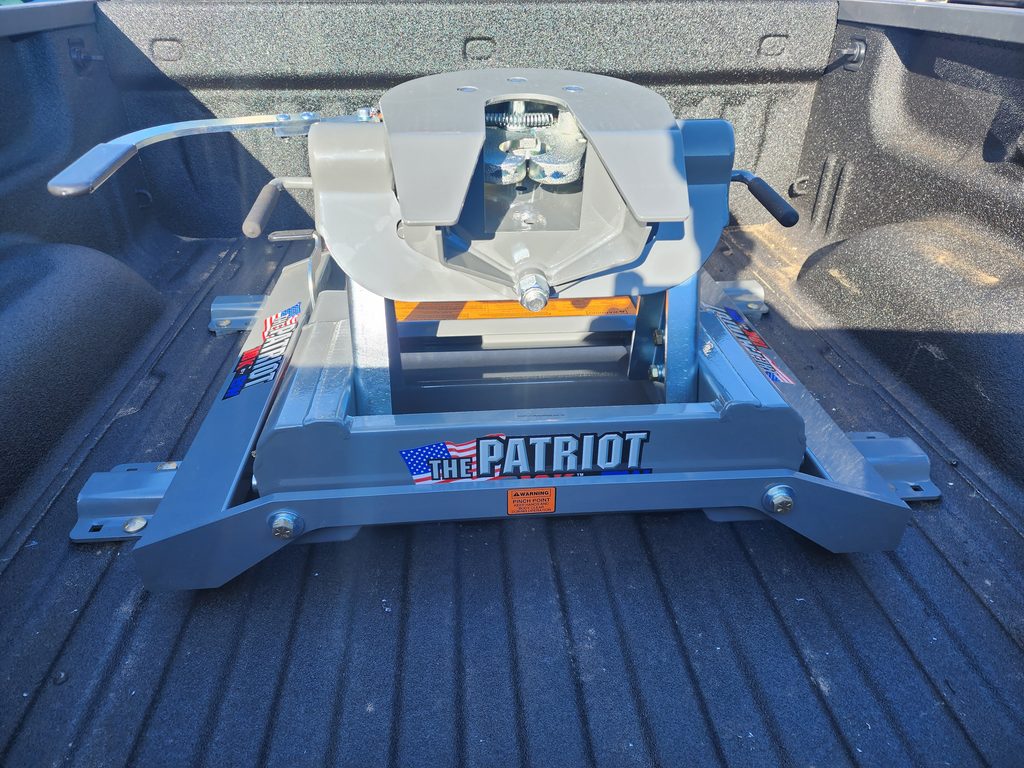
When either side of your truck-and-trailer combination changes, the hitch setup deserves a fresh look before the first cold-weather trip.
Winter is a common time for changes. Maybe you upgraded to a newer truck, moved from a long bed to a short bed, or found the fifth wheel trailer you have been watching all year. Any of those changes can affect how your fifth wheel hitch should be set up, even if the old combination towed fine.
The most common mistake is assuming that a hitch that fit the last truck will simply move over and work on the new one. Sometimes it can. Often it needs different components, a different mounting approach, or a fresh clearance review. This guide explains what changes when you swap either side of the setup, and how the Torklift Central team in Kent, WA reviews it before you tow.
Why a Setup Change Is Worth a Fresh Review
A fifth wheel setup is a matched system: the truck, the mounting system in the bed, the hitch, and the trailer all have to work together. Change one part and the relationships between the others can shift. A hitch that fit the old truck does not automatically fit a different truck, and a trailer that towed well behind one truck can behave differently behind another.
That is not a reason to worry, it is a reason to review. A short appointment before the first winter trip is far easier than discovering a clearance or mounting issue on a wet mountain pass.
What Changes When You Change Trucks
A new truck can differ from the old one in ways that directly affect the hitch setup, even between two trucks of the same brand.
- Bed length, which affects turning clearance and whether a slider is worth evaluating.
- Cab style, which changes cab-to-trailer clearance.
- Payload, which affects how much pin weight and gear the truck can carry.
- Factory puck configuration, since not every puck system accepts every fifth wheel hitch.
- Rail requirements and mounting brackets, which may differ from your old truck.
- In-bed wiring location, which may need to be relocated or added.
- Turning clearance overall, based on the new truck's geometry.
A short-bed truck does not automatically need a slider, and not every short bed uses the same slider. Whether a slider makes sense depends on the bed length, trailer front cap design, hitch model, pin box, and how much maneuvering you do. That is exactly the kind of call worth making with a technician rather than a rule of thumb.
What Changes When You Change Trailers
A different fifth wheel trailer can change the setup just as much as a different truck.
- Trailer weight and pin weight, which affect payload and how the truck sits.
- Front cap design, which affects cab clearance in turns.
- Kingpin height and pin-box geometry, which affect hitch height and clearance.
- Bed rail and tailgate clearance, based on the trailer's nose shape.
Pin weight in particular deserves attention. A different trailer can carry a very different pin weight, and that weight lands on your truck's rear axle and payload. Confirming the new numbers keeps you inside your truck's ratings instead of guessing that the new trailer is close enough to the old one.
Do Not Assume an Adapter Solves Everything
Adapters and conversion components exist, and in the right situation they are useful. But an adapter does not automatically make every truck-and-hitch-and-trailer combination compatible. Whether a given adapter or mounting component is appropriate depends on your specific truck, hitch, and trailer, and on the ratings of each part involved.
This is where a fitment review pays off. Rather than buying parts on a hunch, bring the details and let the team confirm what actually works for your combination before anything is installed.
What to Bring for the Review
The more the team knows about both sides of your setup, the faster and more accurate the review. Gather what you can before you come in.
- Truck year, make, model, bed length, and cab style.
- Factory prep information, such as a factory puck package if equipped.
- Hitch brand, model, and mounting hardware details.
- Trailer make and model, and pin box information if you know it.
- Photos of the truck bed, the mounting system, and the trailer nose if useful.
Keep Ratings in View
Whatever changed, the ratings still rule. Moving a hitch to a new truck or hooking up a new trailer does not increase your truck's manufacturer-rated towing capacity. Safe towing depends on the truck rating, hitch rating, trailer weight, pin weight, payload, axle ratings, tires, suspension, and manufacturer guidelines, with the lowest-rated component setting the limit.
A fresh review after a change is the simplest way to make sure the new combination still lands comfortably inside all of those numbers.
What Changed and Why It Needs a Recheck
| What changed | Fifth wheel setup affected | Why it needs review | Information to bring |
|---|---|---|---|
| New truck, different bed length | Turning clearance and slider evaluation | Clearance and slider needs can change | Bed length and cab style |
| New truck, different puck or rail | Mounting system and hardware | Not every puck accepts every hitch | Factory prep and hitch model |
| New truck, higher or lower payload | Pin weight and gear capacity | Payload limits what you can carry | Truck payload and ratings |
| Different trailer weight | Pin weight on the rear axle | Affects payload and how the truck sits | Trailer make, model, and weights |
| Different trailer front cap | Cab and trailer clearance | Turning clearance can change | Trailer info and photos of the nose |
| Different pin box geometry | Hitch height and clearance | Changes how the hitch and trailer align | Pin box details if known |
What Torklift Central Will Review After Your Setup Changes
When you bring a changed setup to Torklift Central in Kent, WA, the team reviews your truck year, make, model, bed length, and cab style, your mounting system and hardware, and your trailer and pin box information. From there they can confirm whether your existing hitch transfers, whether different mounting components or a slider evaluation make sense, and whether the clearances and wiring still work for the new combination.
Bring the details listed above, along with photos if you have them. The team will do a walkthrough of the recommended setup with you at the appointment so you know exactly what was confirmed before your first winter trip.
Key Takeaways
- A hitch that fit your old truck does not automatically fit a new one, and a new trailer can change clearances and pin weight even if the truck is the same.
- A short-bed truck does not automatically need a slider, and not every short bed uses the same slider. The right call depends on the full combination.
- Not every factory puck system accepts every fifth wheel hitch, and an adapter does not automatically make every combination compatible.
- Confirm the new pin weight against your truck's payload and axle ratings, since a different trailer can change those numbers significantly.
- Bring truck details, factory prep info, hitch model, trailer and pin box info, and photos so the Kent, WA team can review the full setup before you tow.
Important Notices
Ratings Notice
Moving a fifth wheel hitch to a new truck or connecting a new trailer does not increase your truck's manufacturer-rated towing capacity. Safe towing depends on the truck rating, hitch rating, trailer weight, pin weight, payload, axle ratings, tires, suspension, and manufacturer guidelines. The lowest-rated component controls the setup.
Follow Official Guidance
Compatibility depends on your exact truck, mounting system, hitch, and trailer. Follow the manufacturer guidance for each component and have fitment confirmed before towing a changed setup.
Frequently Asked Questions
Can I move my fifth wheel hitch to a new truck?
Sometimes, but not always. Whether your hitch transfers depends on the new truck's bed, mounting system, and factory prep, plus the hitch model and hardware. Have the fitment confirmed before you tow.
Will my old fifth wheel hitch fit a different truck?
It might, but a hitch that fit one truck does not automatically fit another. Bring your truck and hitch details so the team can review whether it transfers or needs different components.
Do I need a different slider hitch after changing trucks?
Not necessarily. A short bed does not automatically require a slider, and not every short bed uses the same one. The right setup depends on bed length, trailer front cap, hitch model, pin box, and maneuvering needs.
What if I buy a different fifth wheel trailer?
A different trailer can change pin weight, cab clearance, and hitch height. Recheck the setup, confirm the new pin weight against your truck's payload and axle ratings, and review clearances before towing.
Does pin weight change with a different trailer?
Yes. Pin weight varies by trailer and how it is loaded, and it lands on your truck's rear axle and payload. Confirm the new numbers stay within your truck's ratings.
Should I recheck my fifth wheel wiring?
Yes. A different truck can change the in-bed wiring location, and a wiring check makes sure trailer lights and brakes work reliably. The team can relocate or add an in-bed connection if needed.
Changed Your Truck or Trailer? Get It Reviewed
Schedule a fifth wheel fitment review at Torklift Central in Kent, WA before your first cold-weather trip so your new combination is confirmed and ready.
Bring your truck details, hitch model, and trailer information so the team can review both sides of the setup.
Call 253-854-1832 or request your appointment online.