

Some hitch installs are straightforward DIY projects. Others benefit from a local shop with the right tools, torque specs, and experience.
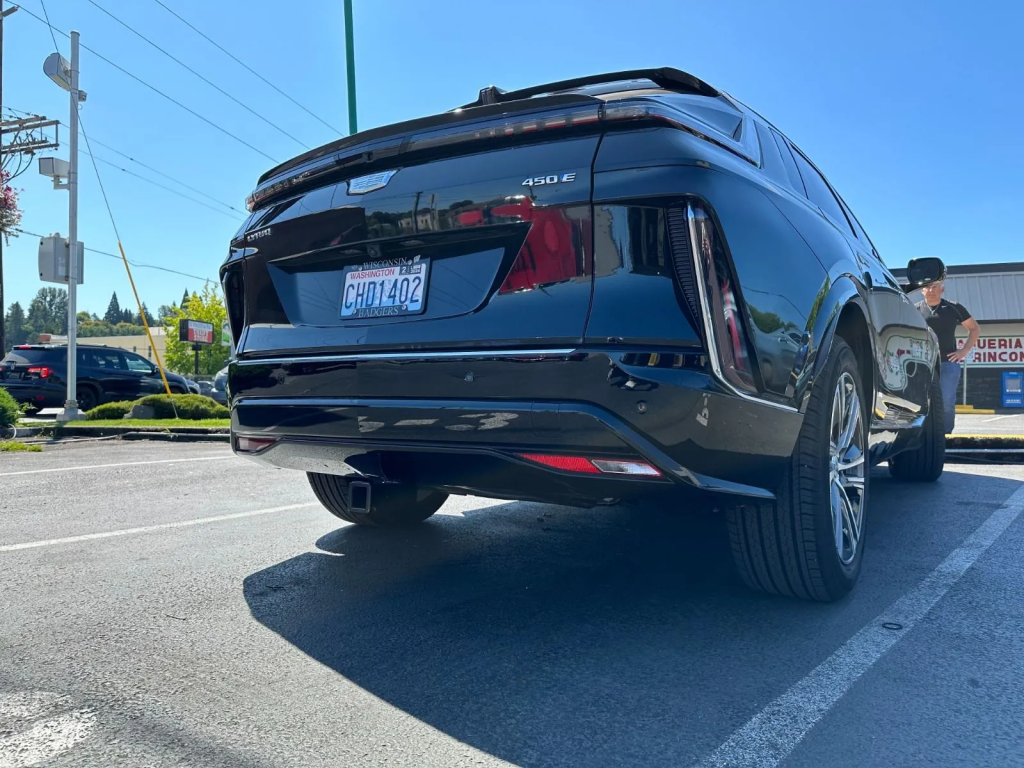
Installing a trailer hitch can range from a two-hour garage project to a multi-step installation involving bumper removal, wiring, brake controllers, sensor management, and torque-critical fasteners. The decision between DIY and a local installer depends on the vehicle, the hitch, the tools available, and whether wiring or a brake controller is part of the plan.
When Is DIY Hitch Installation Realistic?
DIY makes sense when the hitch is a straightforward bolt-on with no bumper removal, no wiring, no brake controller, and no sensor considerations. The vehicle is accessible, you have the tools (including a torque wrench), and you are comfortable working under the vehicle safely.
When Should I Use a Professional Installer?
Professional installation makes sense when the install involves bumper removal, bumper cover trimming, wiring, brake controllers, kick sensor management, exhaust clearance concerns, or when you do not have the tools or confidence to complete the job correctly.
DIY vs. Local Installer
| Situation | DIY May Make Sense | Local Installer May Make Sense | What to Verify |
| Simple bolt-on hitch, no bumper work | Vehicle is accessible. You have tools and torque wrench. | You prefer professional installation. | Installation instructions and tool requirements. |
| Bumper removal required | You are experienced with bumper removal on your specific vehicle. | Bumper clips, sensors, and refitting can be tricky. | Whether the installation involves the bumper cover. |
| Wiring needed | You are comfortable with vehicle electrical work. | Vehicle-specific wiring requires correct routing and connection. | Wiring harness compatibility. |
| Brake controller needed | You have experience mounting and configuring brake controllers. | Configuration matters. Incorrect setup affects trailer braking. | Trailer brake type and controller compatibility. |
| Kick sensor vehicles | You understand the sensor zone and have the product's instructions. | Sensor management can require precise routing. | Whether the hitch install involves the sensor area. |
| Fleet or multiple vehicles | You have time for each vehicle. | Consistent, efficient installation across vehicles. | Vehicle count and scheduling. |
What Can Go Wrong During a Hitch Install?
Incorrect torque values can compromise the mounting. Wrong hardware can affect structural integrity. Bumper clips can break during removal. Wiring routed incorrectly can cause short circuits or failed lights. Sensors can be disrupted. Exhaust clearance can be misjudged. These are all solvable with the right tools and experience, but they are the reasons many customers choose a professional installer.
How Torklift Central Can Help
As a towing equipment provider in Kent, WA, our technicians handle hitch, wiring, brake controller, and towing accessory installation daily. If you are not sure whether your install is a DIY job, call 253-854-1832. We can discuss the vehicle, the hitch, and the scope of work before you commit either way.
Key Takeaways
- DIY makes sense for simple bolt-on installs with no bumper, wiring, or sensor work.
- Professional installation makes sense for complex installs with bumper removal, wiring, brake controllers, or sensors.
- Torklift Central installs hitches, wiring, and brake controllers at our Kent, WA shop.
- Call 253-854-1832 to discuss.
Call 253-854-1832 to schedule.
Frequently Asked Questions
Should I install a hitch myself?
It depends on the complexity. Simple bolt-on installs can be DIY. Bumper removal, wiring, and brake controllers benefit from professional installation.
When should I use a professional installer?
When the install involves bumper work, wiring, brake controllers, sensors, or tools you do not have.
What can go wrong?
Incorrect torque, wrong hardware, broken bumper clips, wiring issues, sensor disruption, exhaust clearance problems.
Can Torklift Central install hitches and wiring together?
Yes. We often handle hitch, wiring, and brake controller installation in one appointment.