
Building an installation specification that makes the tenth vehicle match the first, even when the vehicles are not identical.
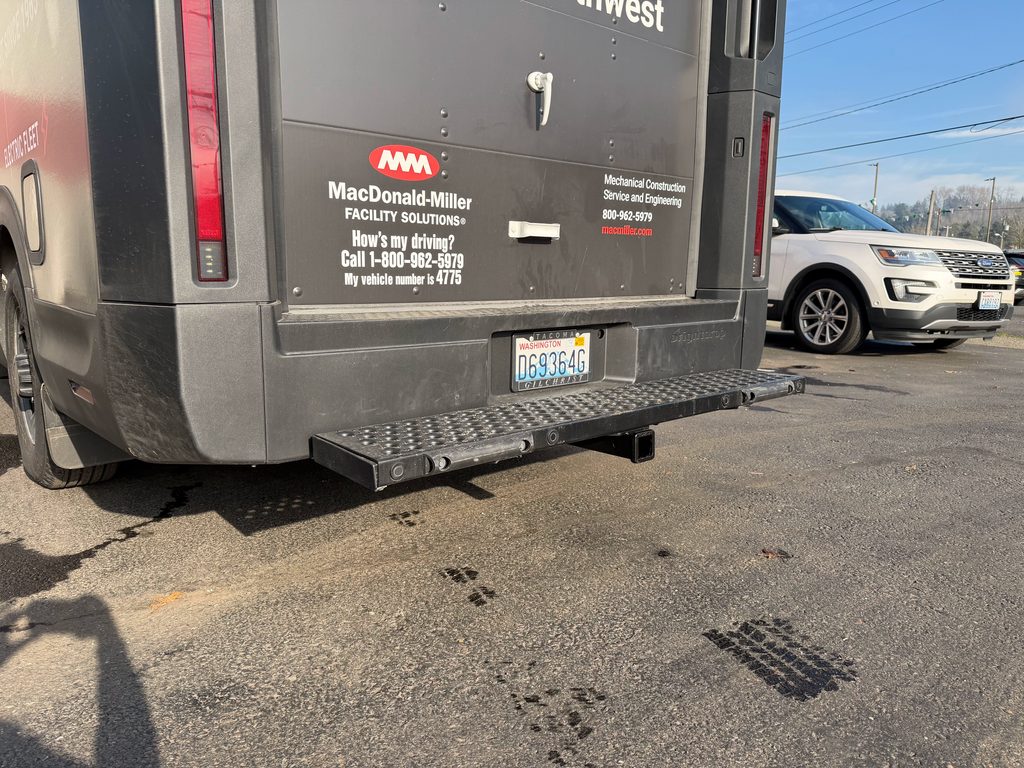
Fleet vehicle equipment standardization means every vehicle in a given role gets the same hitch specification, the same trailer connection location, the same brake controller placement, and the same accessory layout, documented well enough that the next installation matches the last. Torklift Central treats standardization as an installation specification: define what goes on the vehicle, where it goes, and how it is verified, then repeat it. Standardization does not mean forcing identical parts onto vehicles that need different parts. It means a driver finds the same function in the same place, whichever vehicle they take.
Why Installation Consistency Matters to a Fleet
Inconsistency costs time in small ways that add up. A driver hunts for the trailer connector on an unfamiliar truck. A technician orders the wrong wiring adapter because two trucks were built differently. A supervisor cannot tell at a glance whether a vehicle has the right equipment for tomorrow's job.
A documented standard removes those questions. It also makes inspections faster, because the inspector knows exactly what should be on the vehicle and where. Torklift Central has supported fleet projects for organizations including Penske and McKinstry, along with municipal and regional commercial customers, and the pattern is consistent: the first vehicle sets the template for every vehicle after it, so it pays to get the first one documented correctly.
Setting the Hitch Specification
A hitch specification is more than a receiver size. A complete one defines:
- The receiver size that matches the trailers and hitch-mounted accessories the role uses.
- A hitch rating that covers the heaviest trailer in the role, without exceeding the vehicle's own towing and tongue weight ratings.
- The vehicle-specific hitch part number for each make, model, and year in the fleet.
- Ball mount rise or drop, ball size, and the pin, clip, or lock used.
- Safety chain attachment points and any accessory that stays on the vehicle.
When a fleet runs two or three truck models, the specification describes the function first, such as a 2 inch receiver rated for the role's trailers, then lists the approved hitch for each vehicle. The trailers and accessories stay interchangeable even though the hitch part numbers differ.
Trailer Wiring Routing and Connector Location
Trailer wiring is where fleets most often drift. One truck gets a 7-way connector on the bumper, the next gets it on a bracket under the step, and a third gets a 4-pin adapter hanging from the frame.
A wiring standard sets the connector type for the role, the mounting location relative to the receiver, and how the harness is routed and secured. Routing should stay clear of exhaust heat, suspension travel, and sharp edges, and the connector should be protected from road spray without being hard to reach. Writing those choices down keeps the fifth installation from improvising its own answer.
Brake Controller and Accessory Control Placement
Drivers build habits. If the brake controller sits in the same place on every truck, a driver can check gain and output without searching the dash. The specification should state the controller model or the OEM integrated controller used for each vehicle, where it mounts, and that its location stays clear of airbag deployment zones and does not interfere with the driver's knees or controls.
The same thinking applies to switches for work lights, warning lights, inverters, and other accessories. Consistent switch locations and labels reduce mistakes, especially for crews who rotate between vehicles.
Documenting the Installation So It Can Be Repeated
The standard is only as good as the record behind it. A useful installation record includes:
- An approved parts list with part numbers for each vehicle model.
- Photos of the connector, controller, switch, and accessory locations as installed.
- Key measurements, such as connector position relative to the receiver.
- Wiring routing notes and circuit protection used.
- The verification steps performed at handoff.
- A revision date, so everyone knows which version a vehicle was built to.
That record matters most when vehicles are replaced. A truck retired after several years usually comes back as a newer model year, and the documentation tells the installer which functions need to be reproduced.
When Vehicles Differ: Standardizing the Function, Not the Part
Mixed fleets are normal. Model year changes, a second truck brand, or a move to electric platforms all bring different frames, harnesses, and factory towing equipment. The goal is to keep the driver-facing result the same: the connector in the same place relative to the receiver, the brake controller in a consistent position, the same accessory switches in the same order.
Some differences cannot be engineered away. One vehicle may use an OEM integrated brake controller while another needs an aftermarket unit. Those deviations belong in the documentation so nobody assumes the vehicles are identical.
Sample Fleet Equipment Standardization Checklist
| Area | Standard to define | What to document |
|---|---|---|
| Hitch | Receiver size, rating, approved part per vehicle | Part numbers, installed photos |
| Ball mount and accessories | Rise or drop, ball size, pin or lock | Accessory list kept with each vehicle |
| Trailer connector | Connector type for the role and location relative to receiver | Measurement and photo of location |
| Wiring routing | Path, securement, and protection | Routing notes and circuit protection |
| Brake controller | Model or OEM controller per vehicle, mounting location | Location photo, setup notes |
| Accessory controls | Switch positions and labeling | Switch layout diagram or photo |
| Storage and accessory locations | What mounts where on the vehicle | Layout photos |
| Vehicle-specific deviations | Where a model cannot match the standard | Deviation notes by vehicle |
| Verification | Checks completed before handoff | Signed checklist or record |
| Revision control | Version and date of the standard | Which version each vehicle was built to |
How Torklift Central Can Help
Torklift Central's fleet upfitting team in Kent, WA can review your current vehicles, help define a hitch, wiring, and equipment placement standard, and install to that standard on vehicles brought to the facility. On-site engineers and technicians work together on the same vehicles, which helps when one model needs a different part to deliver the same result.
Have your vehicle list ready (year, make, model, and quantity), the trailers and accessories each role uses, and photos of any vehicle already set up the way you like it.
Key Takeaways
- Fleet standardization defines what goes on each vehicle, where it goes, and how it is verified, so every installation in a role matches.
- A complete hitch specification covers receiver size, rating, approved part per vehicle, ball mount, and safety chain points, always within vehicle ratings.
- Trailer connector location, wiring routing, brake controller placement, and switch layout are where fleets most often drift without a written standard.
- Mixed fleets standardize the driver-facing function rather than forcing identical parts, and document every deviation.
Frequently Asked Questions
What does fleet equipment standardization include?
It covers the hitch specification, trailer connector type and location, wiring routing, brake controller placement, accessory controls, and storage locations, plus the documentation that lets each installation be repeated.
Does standardization mean every vehicle gets the same parts?
No. Different models often need different hitches, harnesses, or controllers. The standard keeps the function and location consistent and lists the approved part for each vehicle.
Can Torklift Central match a vehicle we already set up?
Yes. Bring the vehicle or send detailed photos, and the team can review the installation, document it, and confirm whether the same approach works on your other vehicles.
How do we handle a new model year joining the fleet?
Review the new vehicle against the existing standard. Some parts carry over and some change. Update the documentation with a new revision so it is clear which version each vehicle uses.
What should we send to start a standardization project?
A vehicle list with year, make, model, and quantity, the trailers and accessories each role uses, and photos of existing setups. Call 253-854-1832 to discuss next steps.
Request a Fleet Equipment Standardization Consultation
Send your vehicle list and current equipment setup to Torklift Central to start building a repeatable installation standard.
Learn more on the Fleet Upfitting page or call 253-854-1832.
Torklift Central, 315 Central Ave N, Kent, WA 98032