

Why the right plow choice starts with the truck and the route, not the blade size or the price tag.
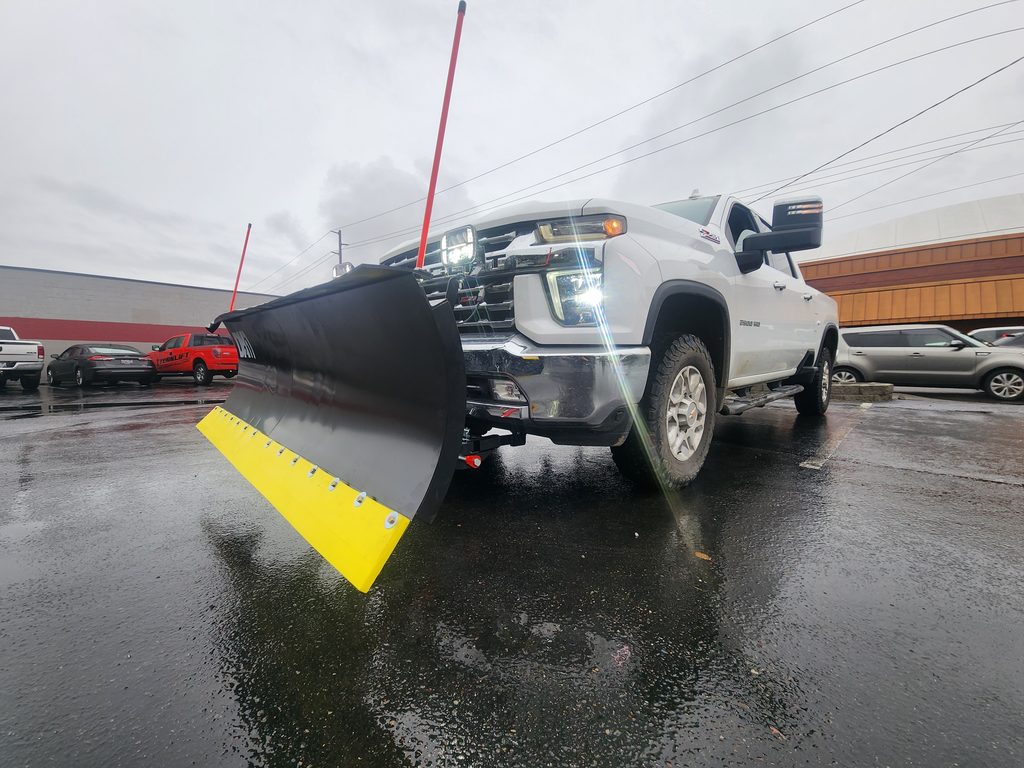
When people shop for a snow plow, they often start with blade width and price. That is the wrong end of the decision. The plow that works all winter is the one matched to your truck and to the work you actually do, and that match starts with the vehicle underneath the blade.
This guide walks through the factors that should drive plow selection before installation, so you buy a plow your truck can support and your route can use. Torklift Central installs snow plows in Kent, WA and can review your truck and intended use before you commit to a plow.
Begin With the Truck and Its Ratings
The truck sets the boundaries for everything else. Before choosing a plow, look at the truck year, make, model, and class, and understand its front axle limits and payload picture. A plow adds weight to the front of the vehicle, and choosing a plow always has to respect what the truck can carry.
A plow does not increase your truck's capability. It does not raise front axle capacity or payload, and a truck cannot safely carry a plow simply because the plow physically mounts. The truck's ratings and the lowest-rated component set the limit. Getting the truck picture right first keeps the rest of the selection realistic.
- Truck year, make, model, and class.
- Front axle limits and payload.
- Mounting compatibility for the plow you are considering.
- Any existing front-end equipment already installed.
Let the Route Shape the Plow
Where and how you plow matters as much as the truck. A plow sized for a single driveway is a poor match for a long commercial route, and a heavy commercial blade can be more than a light-duty truck should carry.
- Driveways, which favor maneuverability and easier handling.
- Parking lots, which reward efficient coverage and durability.
- Commercial routes, which demand endurance over long shifts.
- Snow conditions, from light dustings to the heavy, wet snow common in the Pacific Northwest.
Blade size and shape matter, but only in the context of the truck and the route. A wider blade clears more per pass but adds weight and demand on the front end. The goal is a balanced match, not the biggest blade that will bolt on.
Weigh Plow Weight and Handling
Plow weight is a selection factor in its own right. A heavier plow may clear tougher conditions but places more demand on the truck's front end. A lighter plow may be easier on the truck and simpler to handle, but may not suit heavy commercial work.
Think too about attaching and removing the plow. Some plows are built to attach and detach quickly, which is a real convenience if you switch the truck between plowing and other work, or if you store the plow off the truck. If quick attachment matters to you, make it part of the selection conversation.
Consider Controls, Lighting, and Electrical Fit
Every plow needs an electrical plan: in-cab controls, plow-mounted lighting, and power and control wiring that integrate cleanly with the truck. Different plows have different control and lighting setups, so it is worth understanding what a given plow requires before you buy.
You do not have to engineer this yourself. But knowing your control preferences and lighting needs helps you and the installer confirm that the plow you are considering fits the truck's electrical picture.
Brands and the 2 Inch Receiver Question
Torklift Central commonly works with Meyer snow plows, which offer various fitments, cuts, shapes, sizes, and lighting options for different size trucks. Meyer plows are also designed to attach and detach quickly, with wheels that let the plow roll in and out for storage. If you already have another brand or a specific model in mind, bring the details so the team can review how it pairs with your truck.
One common misconception is worth clearing up: a 2 inch receiver on the truck does not, by itself, confirm plow compatibility. The receiver is only one piece. The full compatibility picture includes the mounting system, the truck's front-end capacity, and the plow's requirements. Confirm the whole match before purchasing rather than assuming the receiver settles it.
Fleet Standardization
If you run more than one plow truck, standardizing where it makes sense pays off. Consistent plow choices, mounting, and controls across similar trucks reduce operator confusion and make maintenance more predictable through the season.
That does not mean every truck in a mixed fleet takes the same plow. Trucks of different classes may need different plows. It means being deliberate about which trucks share a setup, which is easier to plan before purchase than to unwind later.
Snow Plow Selection Factors
| Selection factor | Why it matters | Truck detail affected | What to verify before purchasing |
|---|---|---|---|
| Truck class and ratings | Sets the boundaries for plow choice | Front axle and payload | Front axle limits and payload |
| Intended use and route | Use case drives the right plow | Handling and endurance needs | Driveway, lot, or route type |
| Snow conditions | Wet, heavy snow demands more | Load on the front end | Typical local conditions |
| Plow weight | Heavier plows demand more of the truck | Front-end capacity | Plow weight vs truck ratings |
| Controls and lighting | Electrical must fit the truck | Wiring and controls | Control and lighting requirements |
| Mounting compatibility | A receiver alone does not confirm fit | Mounting system | Full compatibility, not just the receiver |
Start With the Truck, Not the Blade
The best plow selection begins with the truck's ratings and the work you do, then moves to plow weight, controls, and mounting. Confirm the full compatibility picture, including front-end capacity and the mounting system, rather than assuming a receiver size settles it. For a fleet, be deliberate about which trucks share a setup.
Bring your truck details and your route or property information to Torklift Central in Kent, WA, along with any plow you already own or are considering. The team can review compatibility and use case before installation and walk you through the setup at your appointment.
Key Takeaways
- Choose a plow starting with the truck's class, front axle limits, and payload, not with blade width or price.
- A plow does not increase your truck's capability, and a truck cannot safely carry a plow just because it physically mounts.
- Let the route and snow conditions shape blade size, plow weight, and handling, aiming for a balanced match.
- A 2 inch receiver alone does not confirm plow compatibility. The mounting system and front-end capacity matter too.
- For fleets, standardize plow choices where it makes sense, while recognizing different truck classes may need different plows.
Frequently Asked Questions
What size snow plow should I get for my truck?
Blade size should follow the truck and the route, not the other way around. A wider blade clears more but adds front-end weight, so the right size balances your truck's ratings with the work you do.
How do I know whether my truck can carry a snow plow?
Look at the truck's class, front axle limits, and payload. A plow adds front-end weight and does not raise those ratings, so front-end capacity is confirmed before selecting and installing a plow.
Does front axle capacity matter?
Yes. A plow places weight on the front of the truck, so front axle limits are a core selection factor. The truck's ratings and the lowest-rated component set what it can safely carry.
What should contractors compare before buying a plow?
Truck class and ratings, intended use and route, snow conditions, plow weight and handling, controls and lighting, and mounting compatibility, along with fleet standardization where multiple trucks are involved.
Does Torklift Central install Meyer snow plows?
Yes. Torklift Central commonly works with Meyer snow plows, which come in various fitments, sizes, and lighting options, and can also review other brands you already own or are considering.
What information should I bring before installation?
Bring your truck year, make, model, and class, your front axle and payload information, your route or property details, and any plow you own or are considering so the team can confirm the match.
Choose the Right Plow for Your Truck
Have Torklift Central in Kent, WA review your truck and intended use before you choose a snow plow, so the plow matches what your truck can support.
Bring your truck details, route information, and any plow you are considering.
Call 253-854-1832 to review your plow options.