
When delivery windows are tight and service calls stack up, every hour off the road hurts. If you’re searching for affordable fleet upfitting in Seattle or the best fleet upfitters for utility vans around Tacoma and Everett, Torklift Central is built to get you rolling faster—with less hassle and lower total cost. We operate a complete in-house manufacturing and engineering facility that produces precision, laser-cut utility van upfits and truck solutions on demand, eliminating vendor handoffs that slow projects. Simple projects often turn in 1–2 days, while complex builds wrap in 1–2 weeks depending on scope. Below, we break down a proven, step-by-step approach to reducing truck downtime and controlling costs across Seattle and surrounding areas.
Understanding Fleet Downtime and Its Impact
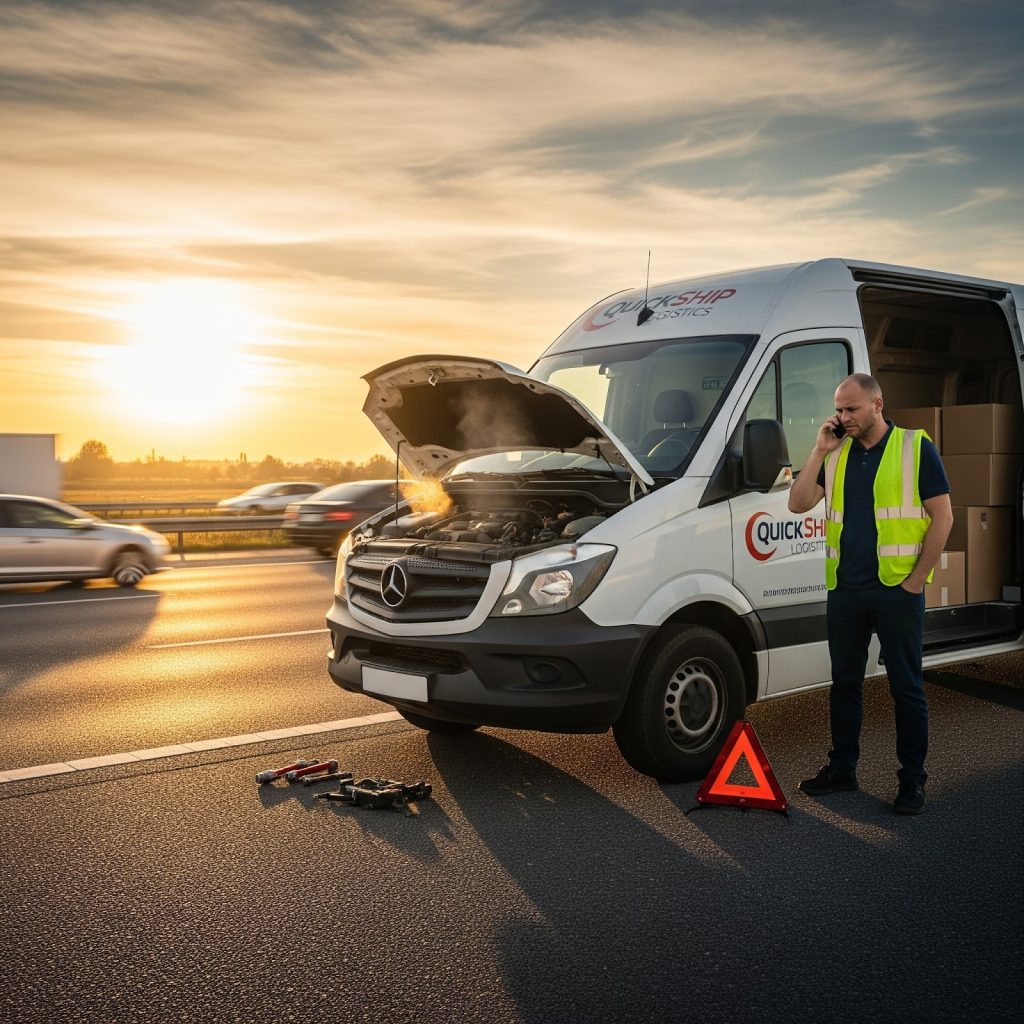
Fleet downtime is any period when a service vehicle is out of commission for maintenance, repair, or upfitting—directly reducing revenue, disrupting schedules, and raising additional expenses. The impact is immediate: lost jobs, rental replacements, technician idle time, and rescheduling overhead. Research on fleet management shows that standardization, predictive planning, and removing process friction materially cut cost and delay, while eliminating vendor handoffs is the fastest way to cut fleet downtime for service trucks in the Seattle market.
Common fleet downtime causes in Seattle fleet upfitting:
- Vendor coordination delays
- Supply chain shortages
- Inadequate pre-planning or standardization
Downtime compounds across a fleet. Studies on fleet management optimization quantify how unplanned outages drive higher per-mile costs and lost productivity; building standardized, proactive programs materially reduces those losses.
The Advantage of Torklift’s In-House Laser-Cut Upfitting
Torklift Central’s differentiator is vertical integration. Our complete manufacturing facility includes laser tables, laser tube cutters, tube benders, robotics, 3D printing, powder coating, and an in-house engineering design team. In-house laser cutting, bending, and powder coating keep critical parts available on demand, so Seattle-area fleets aren’t waiting on backordered brackets or outsourced powder lines.
What that means for your timeline:
- Same-week custom work is common because design, fabrication, finishing, and install happen under one roof.
- Simple upfits: 1–2 business days.
- More complex projects: typically 1–2 weeks, depending on scope (cut service truck downtime with Seattle’s trusted upfit partner).
Quantified results from standardized programs: customers report up to 30% downtime reductions and 20–30% lower costs versus fully outsourced chains thanks to single-source control and standardized kits. For affordable fleet upfitting in Seattle, this is why many managers consider Torklift among the best fleet upfitters Seattle has for speed, precision, and value.
Step 1 Assess and Standardize Fleet Upfit Specifications
Start by auditing your fleet by vehicle class and job role. Define standard configurations so each model receives the same, proven layout and mounting hardware. Standardizing specifications allows repeatable kits for faster, error-free installs.
Standardized upfit definition: A repeatable installation process that uses identical hardware and brackets for similar vehicles, reducing labor steps and minimizing parts errors.
Quick-reference examples for common trades:
- Electricians: partition wall, deep shelving with dividers, lockable parts bins, inverter mounting, LED cargo lighting.
- Plumbers: heavy-duty shelving, tank and cylinder restraints, drop-down ladder rack, rear step bumper, water-resistant floor liner.
- HVAC: bulkhead with pass-through window, long-item tunnel for ducting, compressor mount, roof rack with rollers, cargo lighting.
- General service/delivery: modular shelves, tie-down points, E-track, backup lighting, safety strobe kit.
Standardization shortens estimate cycles, simplifies training, and streamlines parts stocking—core drivers in reducing truck downtime.
Step 2 Pre-Stage and Kit Hardware for Quick Installation
Pre-staging bundles every component, fastener, and tool required—sequenced by install steps—so technicians can work without interruptions. In practice:
- Inventory all components against a master bill of materials.
- Label kits by vehicle type and install station.
- Group parts in order of installation with color-coded hardware bags.
- Stage tools/jigs and pre-program torque specs or fastening sequences.
Pre-staged kits allow most common upfits to complete in 1–2 business days. The result is less bay time, fewer mistakes, and predictable handoffs—especially valuable for Seattle fleet upfitting during peak season.
Step 3 Utilize In-House Engineering for Precise Fit Validation
Rapid prototyping with laser-cut metal samples and 3D-printed fixtures confirms clearances, load paths, and serviceability—reducing rework and field adjustments.
An engineering-first approach is how we deliver precise, repeatable, and safer installs across vans and trucks from Seattle to Tacoma and Everett.
Step 4 Schedule Modular and Platform-Style Installations
Modularity pays dividends. Modular upfit platforms let fleets add, swap, or reconfigure modules in hours, not days, dramatically minimizing vehicle downtime. Examples include:
- Bolt-on storage boxes and drawer systems
- Removable ladder and cargo racks
- Plug-and-play lighting harnesses and auxiliary power modules
- Pre-wired control panels and quick-connect air/compressor systems
Plan module changes during routine service windows—oil changes, inspections, tire rotations—so you avoid extra out-of-service events while keeping vehicles current with tech and safety upgrades.
Step 5 Coordinate Digitally for Seamless Project Management
Clarity speeds everything. We assign a single project manager to each fleet account and maintain digital status updates, drawings, and document trails to avoid miscommunication. Managing projects digitally helps standardize specs and reduce install errors.
Helpful digital coordination tactics:
- Electronic quotes and approval workflows
- Single PO per batch of vehicles
- Reserved install slots with calendar invites
- Milestone reports with photos at design freeze, fabrication, install start, QA, and delivery
For Seattle-area operations juggling multiple vendors and locations, a single point of contact keeps your pipeline clean and vehicles on schedule.
Operational Tips to Maximize Fleet Uptime
Build an uptime program that complements fast upfitting:
- Use scheduled inspections and predictive analytics to catch issues before failure.
- Adopt fleet management software for real-time health alerts, DTC reporting, and maintenance forecasting.
- Track repair drivers and refine PM intervals by platform and duty cycle.
- Standardize safety equipment and training—prioritizing safety reduces incidents and indirect downtime.
Quick, ongoing maintenance checklist:
- Daily: Driver walkarounds, lights/tires/fluids checks, document defects.
- Weekly: Battery tests, fastener spot checks on racks/partitions, clean cargo areas.
- Monthly: Brake and suspension inspection, torque audits for mounted equipment, electrical connections review.
- Quarterly: Alignment and tire rotation, comprehensive PM, review telematics and downtime data to adjust schedules.
Why Choosing a Single-Source Upfitter Matters in Seattle and Surrounding Areas
Consolidating engineering, fabrication, finishing, and installation with Torklift puts supply chain control, direct accountability, and single-source quality under one roof—reducing stacked markups, freight, and the coordination delays that inflate downtime. Seattle-area fleet managers report 30–40% timeline reductions and 20–30% cost savings with our integrated workflow and standardized kits.
Torklift serves Seattle, Tacoma, Everett, and the greater Pacific Northwest—delivering reliable, warrantied upfits and ongoing fleet partnership. With 50 years of licensed manufacturing expertise, a complete manufacturing facility featuring laser tables, laser tube cutters, tube benders, robotics, 3D printing, powder coating, and an in-house engineering design team, we produce laser-cut utility van upfits and truck solutions.
Ready to cut downtime and costs? Request a consult and timeline plan today. Lead time for simple projects is 1–2 days. More complex builds can be completed in 1–2 weeks depending on the scope. Ask about rush scheduling for active delivery seasons.
253-854-1832 | [email protected]
Frequently Asked Questions
What makes laser-cut upfits faster and more reliable than traditional methods?
Laser-cut upfits use precise, pre-fitted components made in-house, reducing install time and avoiding supply delays tied to outside vendors.
How can standardizing upfit designs reduce fleet downtime?
Using the same specs and parts across similar vehicles streamlines installations, simplifies stocking, and enables faster repairs and replacements.
What types of fleets benefit most from in-house engineered upfits?
Service, delivery, and construction fleets running utility vans or work trucks gain the most from purpose-built, quick-turn upfits validated by engineering.
How does pre-staging parts improve installation turnaround time?
Pre-staging ensures technicians have every component at hand, enabling uninterrupted work so many common upfits finish within 1–2 business days.
How do warranties and quality controls contribute to long-term fleet uptime?
Strong warranties and rigorous quality controls extend equipment life and simplify service, reducing unplanned downtime over the vehicle lifecycle.