
If you own a rare, modified, collector, or specialty vehicle, here is how the custom hitch review works and what to gather before you call.
Specialty vehicles rarely fit the catalog. A rare import, a collector vehicle, a heavily modified truck, or a municipal vehicle often has no published hitch at all. That does not mean towing or accessory use is out of reach. It means the starting point is a review rather than a part number. As a towing equipment provider near Seattle and Kent, WA, Torklift Central reviews specialty applications to see whether a custom fabricated hitch is possible.
This article explains what the review process looks like for specialty vehicles and what information helps the team give you a clear answer.
Why Specialty Vehicles Need a Different Starting Point
Standard hitches assume a known frame, known mounting points, and a known rear layout. Specialty vehicles break those assumptions. The custom hitches path exists for exactly this reason: unusual, rare, and collector vehicles, and applications where no hitch has been made. For these vehicles, the geometry has to be measured and understood before anyone can say whether a receiver can be mounted.
What the Review Covers
The review looks at the vehicle, trailer, RV, camper, accessory, intended use, receiver size, and towing or carrying goals, then examines the structure that a receiver would attach to. That includes frame access, mounting points, bumper layout, body clearance, exhaust routing, wiring, spare tire space, rear overhang, whether a 3D scan is needed, and the fabrication path. For a specialty vehicle, capturing the geometry accurately matters more than usual, which is where 3D scanning earns its place.
The Design and Fabrication Resources Behind It
Torklift Central is the Kent, WA Retail Product Development Center, and specialty projects can draw on real engineering and fabrication resources when relevant. That includes SolidWorks drawings, Finite Element Analysis, 3D printing to verify fit, and welding, along with the broader in-house capabilities of the fabrication facility. This is what allows a one-off receiver to be designed for a vehicle that was never part of a hitch line.
The team also brings broad vehicle experience, from brand-new EVs to vintage Broncos, which helps when a vehicle does not follow modern conventions.
What to Gather Before You Request a Review
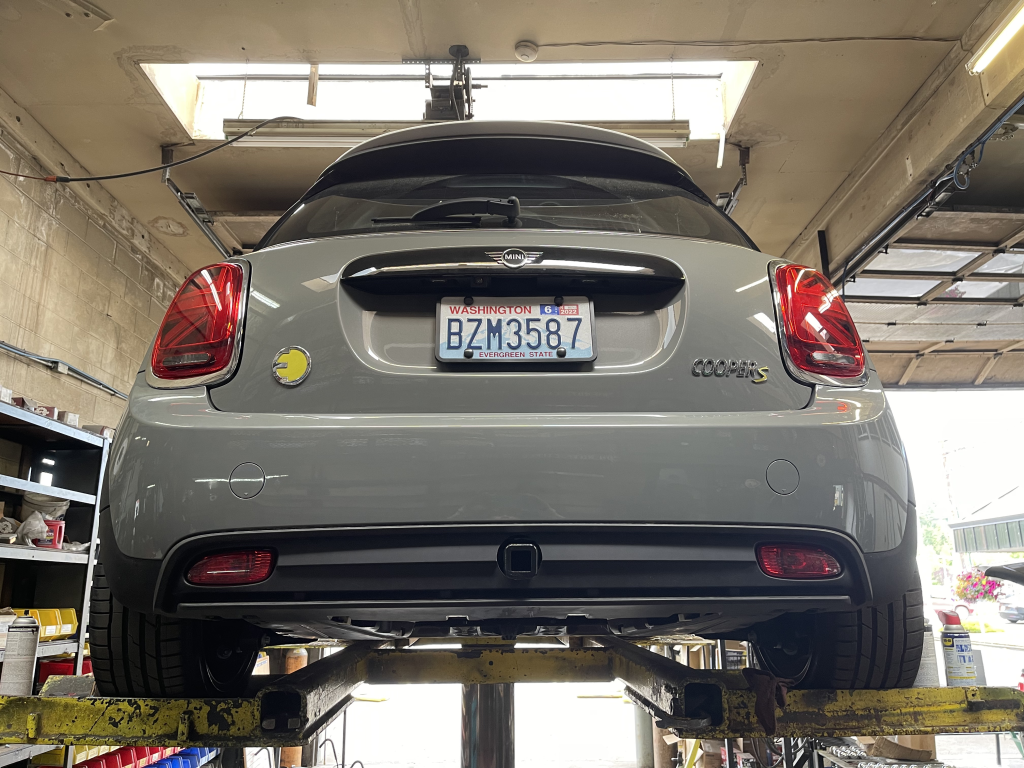
Specialty vehicle reviews go faster when you arrive prepared. Have your vehicle details, a description of what you want to tow or carry, any accessory plans, and detailed photos of the rear of the vehicle, the bumper, and the underside toward the frame. Notes on modifications, prior repairs, or anything unusual about the rear structure are all useful. If the vehicle is rare enough that documentation is thin, photos become even more important.
| Review item | Why it matters | What Torklift Central checks | What the customer should bring |
|---|---|---|---|
| Vehicle identity and history | Rare vehicles rarely have catalog data | Whether any fit reference exists | Vehicle details and any documentation |
| Intended use | Towing and carrying load the receiver differently | Receiver size and load path | What you plan to tow or carry |
| Frame and mounting points | Determines if a receiver can attach safely | Frame access and mounting options | Photos underneath toward the frame |
| Rear layout | Bumper, exhaust, and spare can block mounting | Bumper layout, exhaust, spare space, overhang | Photos of the rear and bumper |
| Geometry capture | Specialty shapes need accurate measurement | Whether a 3D scan is needed | Access to the vehicle for scanning |
How Torklift Central Can Help
If your specialty vehicle has no catalog hitch, Torklift Central can inspect it near Seattle in Kent, WA and review whether a custom fabricated hitch is possible, using on-site engineering and 3D scanning when the geometry calls for it. Because feasibility, pricing, and timing depend on the vehicle, the review comes first. Before scheduling, gather your vehicle details, intended use, accessory plans, and detailed photos. Start a review through the custom hitch fabrication page or the schedule form.
Key Takeaways
- Specialty, rare, collector, and modified vehicles often have no catalog hitch and need a custom review.
- The review covers use, receiver size, frame access, clearance, and whether a 3D scan is needed.
- On-site engineering, 3D scanning, and fabrication resources support one-off receivers when relevant.
- Custom work does not raise factory ratings; the lowest-rated component controls the setup.
Frequently Asked Questions
Can a specialty vehicle get a custom hitch?
Many can, but not all. The review determines whether a safe mounting path exists for your specific vehicle.
What happens during custom hitch review?
The team reviews intended use and receiver goals, then checks frame access, clearance, bumper and exhaust layout, spare space, and rear overhang, using a 3D scan when needed.
What information should I bring?
Vehicle details, intended use, accessory plans, and detailed photos of the rear, bumper, and underside, plus notes on any modifications.
Can Torklift Central help unusual vehicles?
Yes. The custom path exists for unusual, rare, and collector vehicles, and applications where no hitch has been made.
How do I schedule a review?
Call 253-854-1832 or use the schedule form, and bring your vehicle details and photos.
Own a specialty vehicle with no catalog hitch? Call 253-854-1832 or request a custom hitch review at Torklift Central near Seattle in Kent, WA. Bring your vehicle details and detailed photos.