

A whole-truck pre-winter review for fleet managers, contractors, and public works teams near Kent, WA, covering the equipment that has to work together and the vehicle limits that tie it all to one truck.
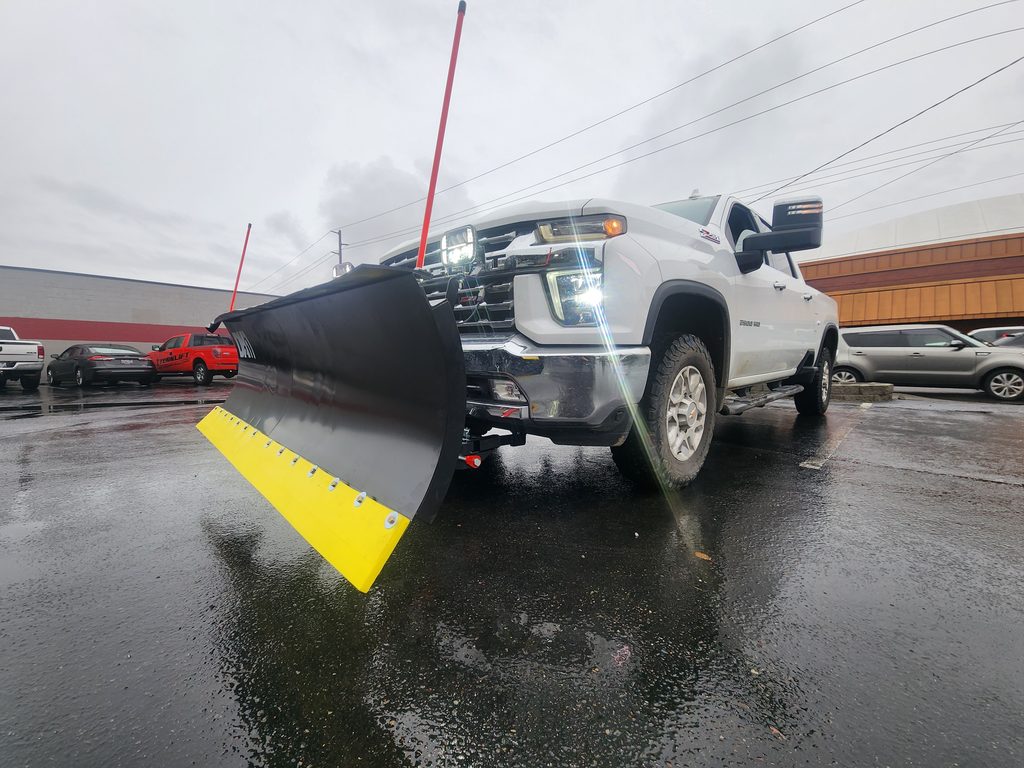
Most winter upfit problems do not start with one bad part. They start when the snow plow, salt spreader, trailer hitch, trailer wiring, and brake controller are planned as separate purchases for the same truck. Every one of those pieces adds weight, draws power, or changes how the vehicle works, and the truck has to handle all of it at the same time.
This commercial truck winter upfit checklist walks through each area the way the Torklift Central team in Kent, WA reviews a work truck before the season. Use it to look at each truck as a complete system, gather the details that matter, and bring a full plan to your fleet upfitting conversation instead of a list of disconnected parts.
Snow Plow: Fitment, Front Axle, and Electrical Integration
A snow plow is a vehicle system, not a bolt-on accessory. Before anything is ordered, the plan needs the exact truck year, make, model, cab, bed length, drivetrain, and configuration, because plow fitment and the mounting system are specific to the truck's frame and front end.
Front axle and vehicle ratings matter just as much as fitment. A plow and its mount add weight ahead of the front axle, and the truck's front GAWR, GVWR, and tire ratings still apply. Hardware that physically mounts does not prove the truck should carry that plow. Matching a receiver size, including a 2-inch front receiver, does not confirm plow compatibility on its own either.
Review these plow details before scheduling:
- Exact truck year, make, model, and configuration, including factory packages that affect the front end.
- Front axle and vehicle ratings from the door jamb label and owner's manual.
- Plow fitment and the mounting system that matches the truck.
- Controls, plow lighting, and how both integrate with the truck's electrical system.
- Intended route or use, such as commercial lots, residential routes, municipal roads, or occasional storm response.
Torklift Central's snow plow installation service and our earlier guide to snow plow upfit planning go deeper on the plow side of the plan.
Salt Spreader: Bed Space, Material Weight, and Route Use
A salt spreader is easy to underestimate because the empty unit looks manageable in the bed. The real load is the spreader's empty weight plus the material in the hopper plus everything else the truck carries that day, and that combined load has to stay within the truck's payload.
That is why hopper size should not be chosen by what physically fits. The better question is how much material the route actually needs between refills, and how much payload remains after the plow, crew, tools, fuel, and any trailer tongue weight are counted.
- Bed space, including what else needs to ride in the bed during the season.
- Spreader empty weight and the weight of a full load of the material you plan to use.
- Route length and refill locations, which drive how much material the truck really needs to carry.
- Material type, since it affects both load weight and spreader selection.
- Electrical requirements and where the controller will live in the cab.
- Storage and removal plans for the off season.
For model-specific maintenance, follow the manual for your spreader. Our article on salt spreader selection covers bed space, payload, and route questions in more detail.
Trailer Hitch: Ratings, Connection Style, and Hardware Condition
Many winter work trucks still tow during the season, whether that means an equipment trailer, a material trailer, or a utility trailer for site work. The hitch plan should be reviewed alongside the plow and spreader, not after them.
- Exact truck fitment for the hitch.
- Trailer type and loaded trailer weight.
- Hitch rating, ball mount rating, and the connection style the trailer uses.
- Condition of existing hardware, including the receiver, pins, clips, ball mount, and safety chain attachment points.
- Accessory needs, including anything else planned for the rear receiver.
A full season of wet roads and road grime is a good reason to look closely at hardware that has been in service for a while. Worn or damaged components should be replaced rather than stretched through one more winter. The lowest-rated component in the towing chain sets the limit, and no hitch increases the truck's factory towing capacity. Learn more about trailer hitch installation at Torklift Central.
Trailer Wiring and Brake Controller: Test Them Before the Season
Trailer wiring problems tend to show up at the worst time, often on a dark, wet morning when a trailer has to move. Checking the circuit before winter gives the team time to find and fix issues without pulling a truck off a route.
For wiring, review the connector style, whether every trailer light operates correctly, ground condition, any intermittent symptoms, damaged or corroded connectors, and overall harness condition. Visible corrosion is worth noting, but it does not prove what is causing a lighting problem. The circuit still needs to be tested. Torklift Central's trailer wiring services cover diagnosis and repair.
For brake controllers, the review covers the vehicle, the trailer, the trailer's braking system, the connector, the existing wiring, and controller compatibility with that combination. For fleets, repeatability matters too. When several trucks pull the same trailers, a consistent controller setup across those vehicles makes daily use more predictable for drivers. A brake controller does not increase towing capacity. Read more about fleet brake controller installation.
Payload and Axle Limits: Add Everything Up
This is the step that ties the whole checklist together. Every piece of winter equipment draws from the same set of vehicle limits, and none of those limits change because equipment was installed.
Add up what the truck will actually carry on a typical winter day:
- The plow and its mount, which load the front axle.
- The spreader and a full load of material, which load the bed and rear axle.
- Crew, tools, fuel, and other gear.
- Trailer tongue weight when the truck tows.
Compare that total against the truck's payload, GVWR, front and rear GAWR, tire ratings, and towing limits from the door jamb label and owner's manual. A plow does not increase front axle capability, and a spreader does not increase payload. If the numbers do not work, the plan needs to change before installation, whether that means a different hopper size, a different truck assignment, or splitting duties across vehicles.
Fleet Consistency and Scheduling
When a fleet has several trucks to prepare, this checklist becomes a planning document. Gather this information before you request a schedule:
- A vehicle list with year, make, model, and quantity for each type.
- Each truck's role, such as plowing, spreading, towing, or a mix.
- Plow, spreader, and hitch needs by truck.
- Trailer types, wiring and connector style, and brake controller needs.
- Your desired readiness date and which trucks need to be ready first.
Consistency helps when trucks genuinely share a configuration. Torklift Central's fleet truck upfitting approach keeps the layout and workflow consistent across a fleet while adapting fitment details to each truck. One package will not fit every vehicle in a mixed fleet, and the plan should reflect that from the start.
Timing depends on scope, vehicle count, product availability, and package complexity. The practical move is to start the conversation before the first storm is in the forecast, while there is still room to order parts and stage the work. Our guides to fleet towing setup review and fleet towing equipment planning cover the towing side of fleet planning in more detail.
Build the Winter Plan Before the Truck Comes In
Use this table to organize each truck before you contact the team. Bringing these details up front lets Torklift Central review compatibility, parts, and vehicle limits before the truck arrives.
| Upfit area | What to review | Vehicle limit or compatibility affected | What to bring before scheduling |
|---|---|---|---|
| Snow plow | Fitment, mounting system, controls, lighting | Front GAWR, GVWR, electrical integration | Truck year, make, model, configuration, and intended route |
| Salt spreader | Bed space, empty weight, material weight, route length | Payload and rear GAWR | Spreader size or model, material type, route details |
| Trailer hitch | Truck fitment, trailer weight, connection style, hardware condition | Hitch rating, towing limits, lowest-rated component | Trailer type and weight, photos of current hardware |
| Trailer wiring | Connector style, lighting operation, grounds, harness condition | Trailer lighting circuit | Connector type and a description of any symptoms |
| Brake controller | Vehicle, trailer braking system, existing wiring | Controller compatibility with the vehicle and trailer | Trailer details and current controller information |
| Payload and axles | Combined weight of equipment, material, crew, and tongue weight | Payload, GVWR, GAWR, tire ratings | Door jamb label photo and estimated loaded weights |
| Fleet scheduling | Vehicle count, roles, priority order | Repeatable builds across matching configurations | Vehicle list, readiness date, priority trucks |
Torklift Central in Kent, WA brings hands-on technicians and on-site engineers to winter upfit planning, with in-house fabrication available when a truck needs more than a standard install. The team reviews the full plan, identifies the right parts for each truck configuration, and schedules installation. At the appointment, technicians walk you through the completed setup so drivers know how everything works before the season starts.
Schedule an appointment, contact the team, or call 253-854-1832 to start your winter plan.
Key Takeaways
- Plan the plow, spreader, hitch, wiring, and brake controller as one system, since they share the same vehicle ratings and electrical system.
- Plow compatibility depends on exact truck fitment and front axle ratings, not on receiver size or whether hardware physically mounts.
- Size a salt spreader around route needs and remaining payload, counting empty weight plus a full load of material.
- Test trailer wiring and brake controller setups before winter instead of assuming visible corrosion explains a problem.
- Fleet timing depends on scope, vehicle count, product availability, and package complexity, so start before demand peaks.
Frequently Asked Questions
What should work trucks have checked before winter?
Review the snow plow, salt spreader, trailer hitch, trailer wiring, and brake controller together, then add up the combined weight against payload, GVWR, GAWR, and tire ratings. Checking each area in isolation misses the conflicts between them.
What winter equipment should fleets plan together?
Any equipment that will be on the same truck during the season. Plows, spreaders, hitches, wiring, and brake controllers share the truck's ratings and electrical system, so planning them together prevents payload surprises and wiring conflicts.
How do plows and spreaders affect payload?
A plow and its mount add weight to the front axle. A spreader adds its empty weight plus material to the bed. Both count against payload and axle ratings along with crew, tools, fuel, and tongue weight. Neither one increases any vehicle rating.
Should trailer wiring be inspected before winter?
Yes. A pre-season review lets a technician test lighting, grounds, connectors, and harness condition before a problem appears during a storm. Wet conditions can make existing connection issues more noticeable, so testing ahead of the season is the practical choice.
Do fleet tow vehicles need brake controllers checked?
Any truck pulling a braked trailer should have its controller, connector, and wiring reviewed for compatibility with the trailers it will tow. For fleets, a consistent setup across trucks that share trailers keeps operation predictable for drivers.
When should winter fleet upfits be scheduled?
Start before the first storm is in the forecast. Timing depends on scope, vehicle count, product availability, and package complexity, so contact Torklift Central early with your vehicle list and readiness date.
Important Notices
| RATINGS NOTICE: Snow plows, salt spreaders, hitches, and brake controllers do not increase a vehicle's payload, GVWR, GAWR, towing capacity, or tire ratings. The lowest-rated component in any setup controls. Always stay within the limits on the vehicle's door jamb label and in the owner's manual. |
| FOLLOW OFFICIAL GUIDANCE: Follow the vehicle owner's manual, equipment instructions, and current product guidance for installation, operation, and maintenance. Route model-specific plow and spreader maintenance questions to each unit's manual. |
| Get Your Trucks Ready Before the First StormSchedule a winter upfit review at Torklift Central in Kent, WA. Call 253-854-1832 or request an appointment online. |